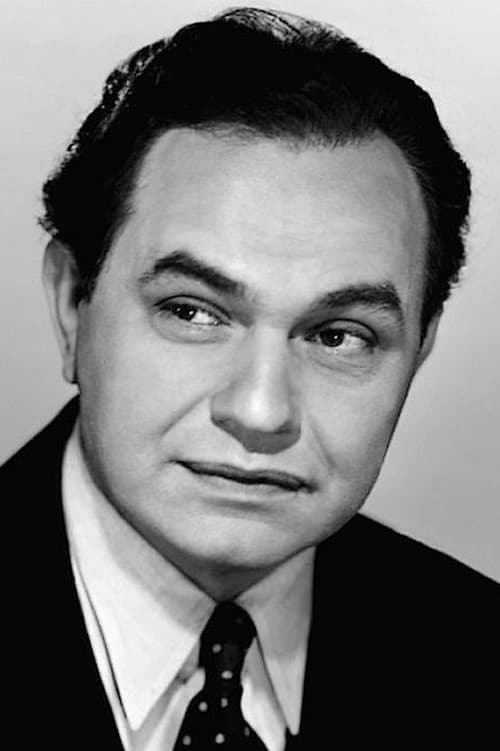


Edward G. Robinson
Actor
79 years (Dec 12, 1893 – Jan 26, 1973)Bucarest, Roumanie
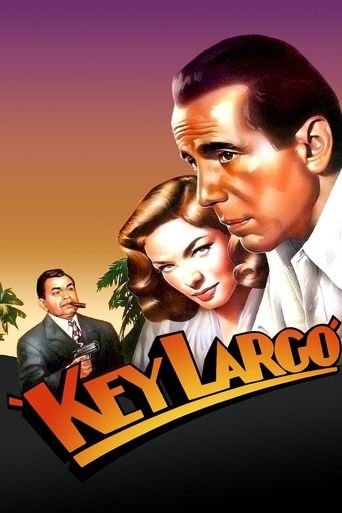
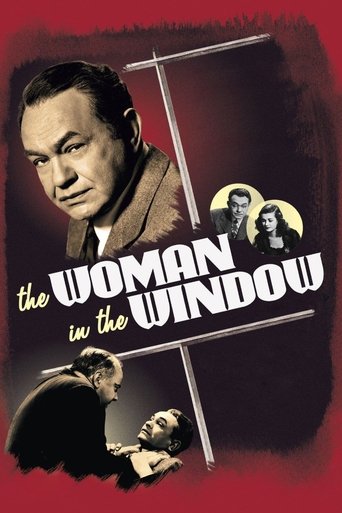
An unforgettable face of gangster cinema, the Romanian-American Edward G. Robinson brought to life some of Hollywood's most memorable criminals despite his unconventional physique. His Rico in 'Little Caesar' defined the archetype of the ambitious gangster and remains one of the genre's seminal roles. An actor of enormous versatility, he also shone in film noir with 'Double Indemnity' and Fritz Lang's 'The Woman in the Window', and in dramas like 'Key Largo'. His gravelly voice and nervous intensity made him one of the most respected performers of his generation, culminating in 'Soylent Green'.
Edward G. Robinson
Actor
An unforgettable face of gangster cinema, the Romanian-American Edward G. Robinson brought to life some of Hollywood's most memorable criminals despite his unconventional physique. His Rico in 'Little Caesar' defined the archetype of the ambitious gangster and remains one of the genre's seminal roles. An actor of enormous versatility, he also shone in film noir with 'Double Indemnity' and Fritz Lang's 'The Woman in the Window', and in dramas like 'Key Largo'. His gravelly voice and nervous intensity made him one of the most respected performers of his generation, culminating in 'Soylent Green'.
93 Movies
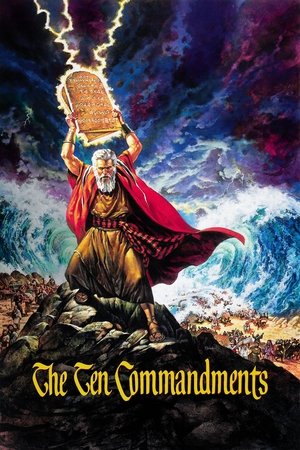
Plays Dathan
The Ten Commandments
1956
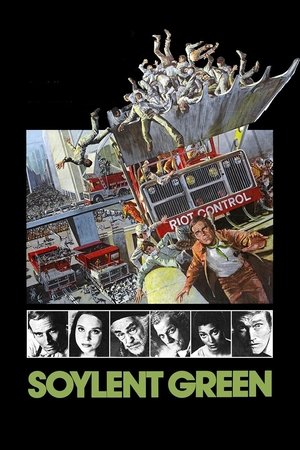
Plays Sol Roth
Soylent Green
1973
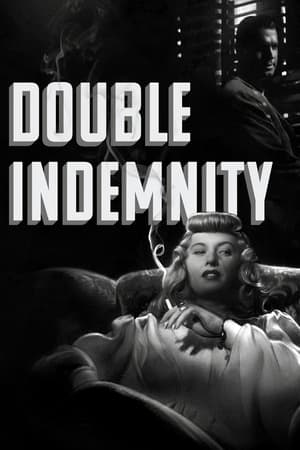
Plays Barton Keyes
Double Indemnity
1944
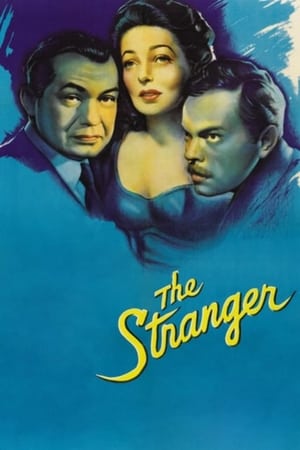
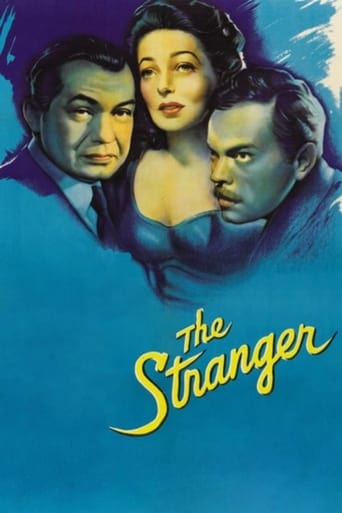
Plays Federal Agent Wilson
The Stranger
1946

Plays Lancey Howard
The Cincinnati Kid
1965
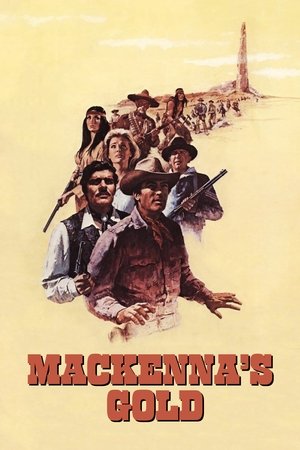
Plays Old Adams
Mackenna's Gold
1969
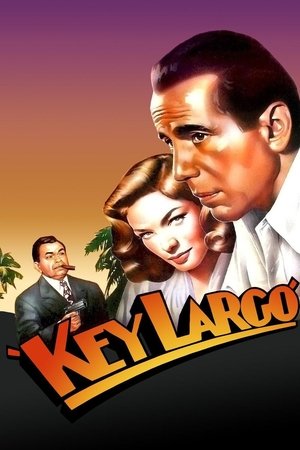
Plays Johnny Rocco
Key Largo
1948
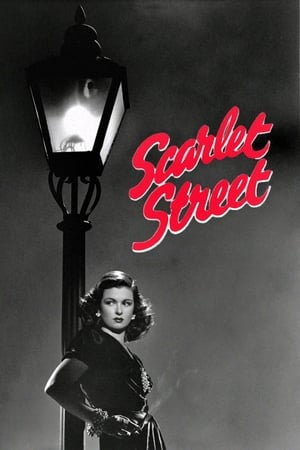
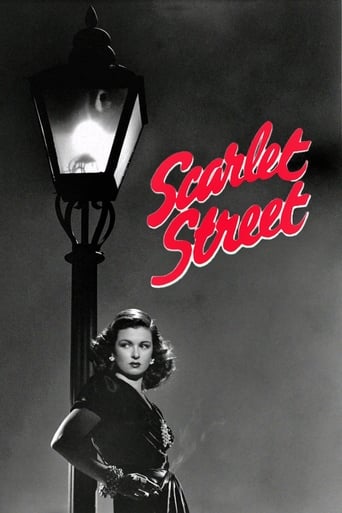
Plays Christopher Cross
Scarlet Street
1945

Plays Sam Lewis
My Geisha
1962

Plays John B 'Hans' Lobert
Big Leaguer
1953
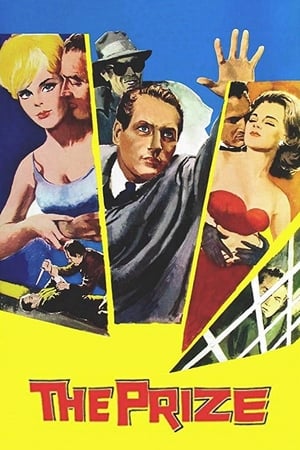
Plays Max Stratman/Walter Stratman
The Prize
1963
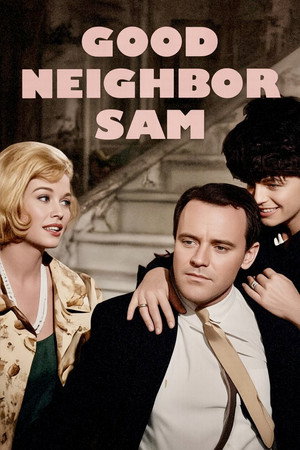
Plays Simon Nurdlinger
Good Neighbor Sam
1964
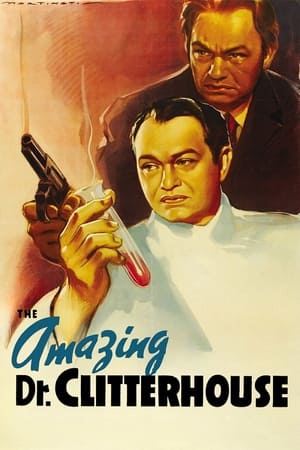
Plays Dr. T.S. Clitterhouse
The Amazing Dr. Clitterhouse
1938
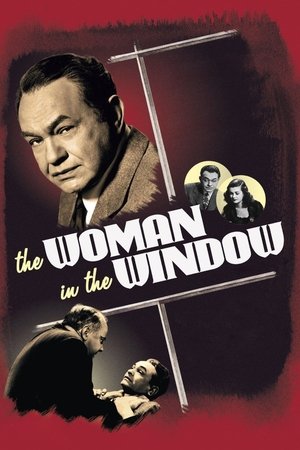
Plays Professor Richard Wanley
The Woman in the Window
1944
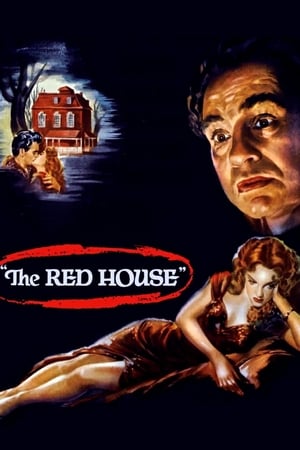
Plays Pete Morgan
The Red House
1947
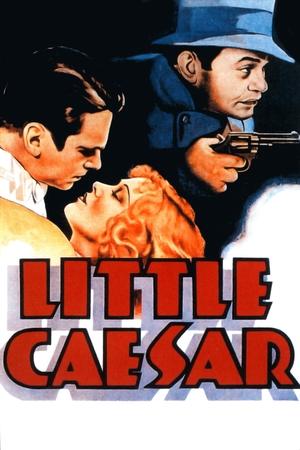
Plays Caesar Enrico 'Rico' Bandello aka 'Little Caesar'
Little Caesar
1931

Plays Marshall Tyler (segment 2)
Flesh and Fantasy
1943

Plays Con Man
The Outrage
1964
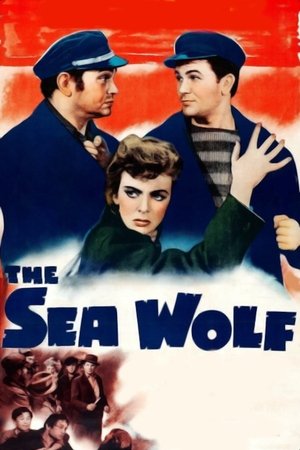
Plays 'Wolf' Larsen
The Sea Wolf
1941
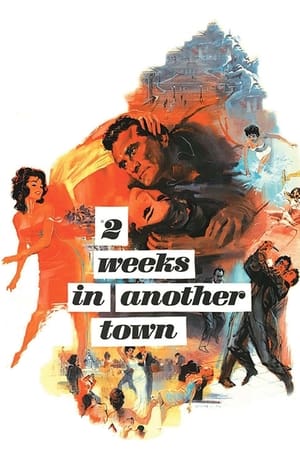
Plays Maurice Kruger
Two Weeks in Another Town
1962

Plays Arthur Ferguson 'Jonesy' Jones / 'Killer' Mannion
The Whole Town's Talking
1935
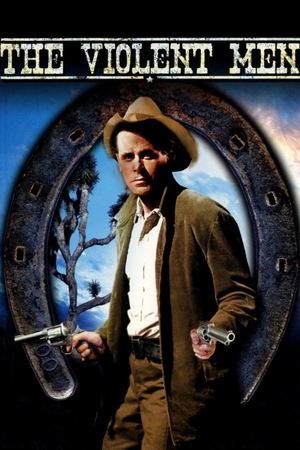
Plays Lee Wilkison
The Violent Men
1955

Plays Remy Marko
A Slight Case of Murder
1938
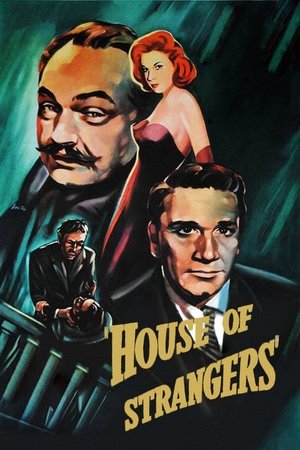
Plays Gino Monetti
House of Strangers
1949

Plays Martinius Jacobson
Our Vines Have Tender Grapes
1945

Plays Dr. Paul Ehrlich
Dr. Ehrlich's Magic Bullet
1940

Plays Sir George McDowell
It's Your Move
1968
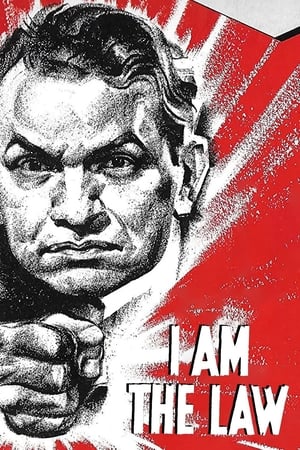
Plays John Lindsay
I Am the Law
1938
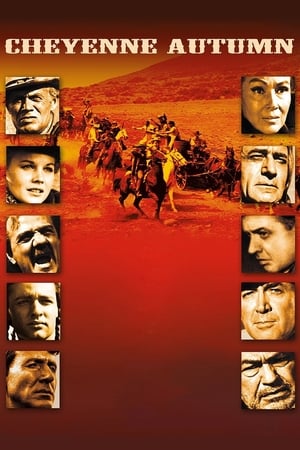
Plays Secretary of the Interior Carl Schurz
Cheyenne Autumn
1964

Plays John Triton
Night Has a Thousand Eyes
1948
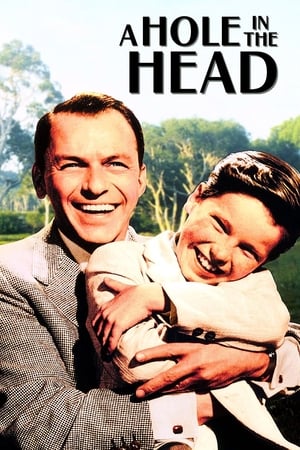
Plays Mario Manetta
A Hole in the Head
1959

Plays Raoul Leduc
A Bullet for Joey
1955

Plays Edward 'Ed' Renard
Confessions of a Nazi Spy
1939

Plays Joe Ventura
Operation San Pietro
1967

Plays Victor Amato
Hell on Frisco Bay
1955
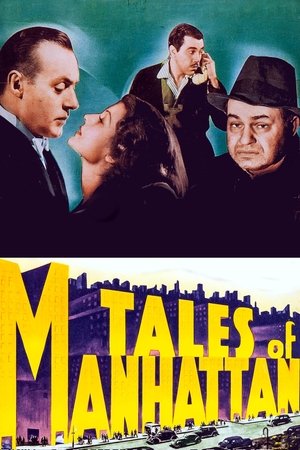
Plays Larry Browne
Tales of Manhattan
1942

Plays Leo Joseph Smooth
Never a Dull Moment
1968
Plays Edward G. Robinson
Pepe
1960
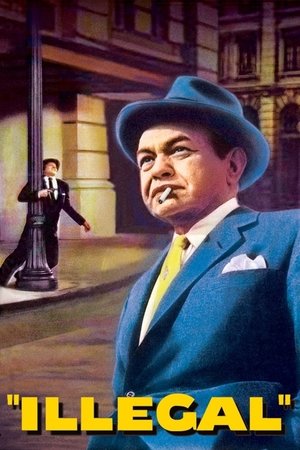
Plays Victor Scott
Illegal
1955
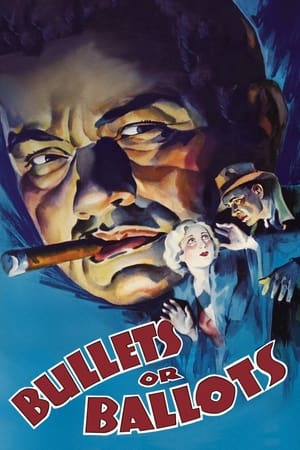
Plays Johnny Blake
Bullets or Ballots
1936

Plays Theo Wilkins
Seven Thieves
1960

Plays Joe Keller
All My Sons
1948

Plays Wilbert Winkle
Mr. Winkle Goes to War
1944

Plays CIA Chief Douglas
The Blonde from Peking
1967
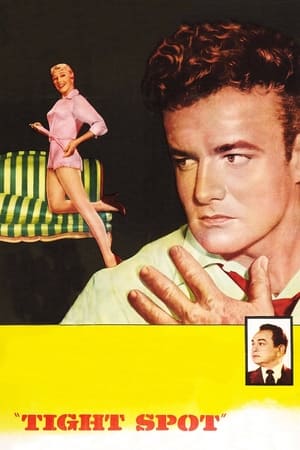
Plays Lloyd Hallett
Tight Spot
1955

Plays Vincent Canelli
Black Tuesday
1954
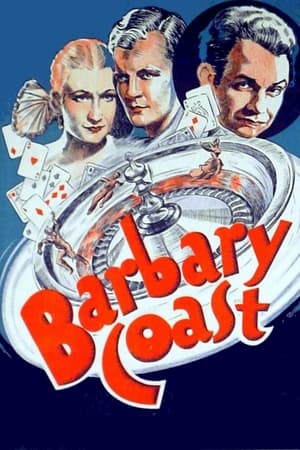
Plays Luis Chamalis
Barbary Coast
1935
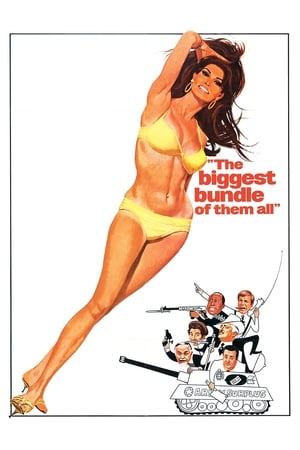
Plays Professor Samuels
The Biggest Bundle of Them All
1968
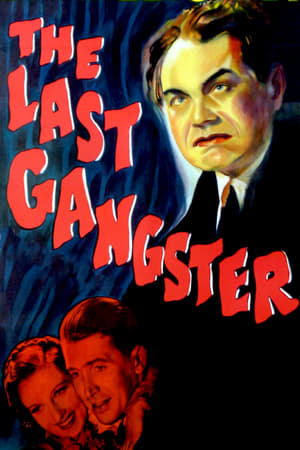
Plays Joe Krozac
The Last Gangster
1937
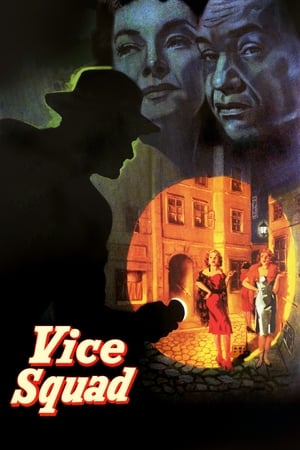
Plays Capt. 'Barnie' Barnaby
Vice Squad
1953
11 TV Shows
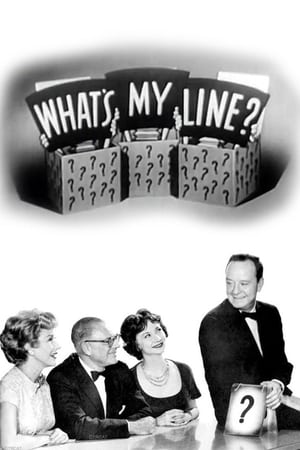
Plays Self
What's My Line?
1950

Plays Self
The Hollywood Palace
1964
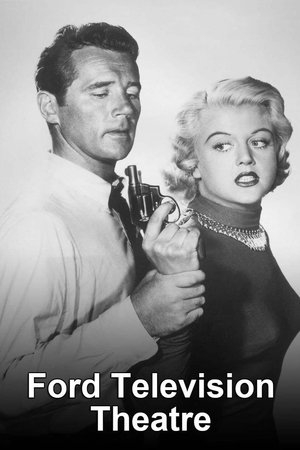
Plays John Derwent
The Ford Television Theatre
1952
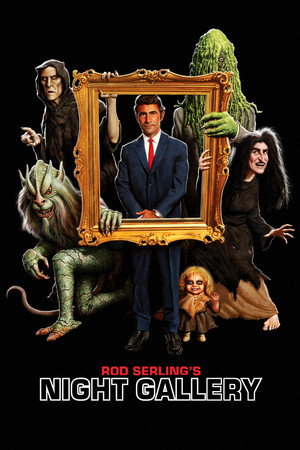
Plays Abraham Goldman
Night Gallery
1970
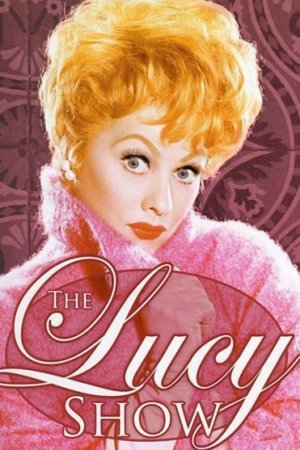
Plays Edward G. Robinson
The Lucy Show
1962
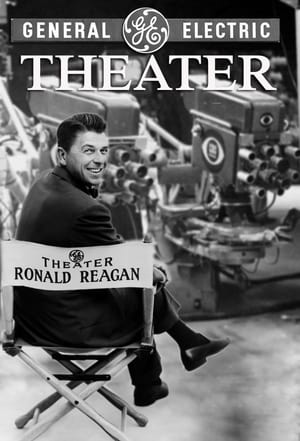
Plays Bert Alquist
General Electric Theater
1953
Plays Sir Wilfrid Robarts
Lux Video Theatre
1950
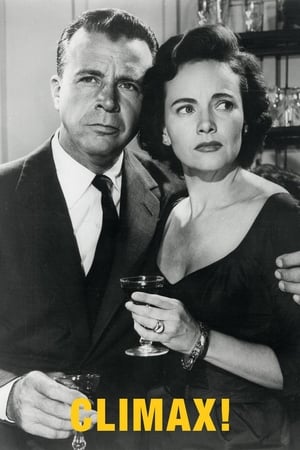
Plays Josef Vadassy
Climax!
1954
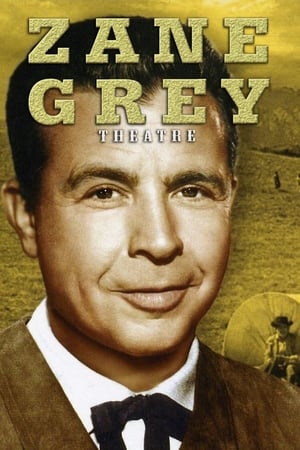
Plays Victor Bers
Dick Powell's Zane Grey Theatre
1956
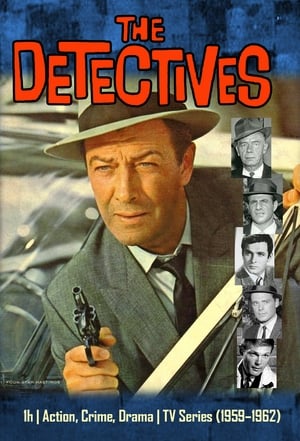
Plays 'Big Jim' Riva
The Detectives
1959
Latest Trailers

Watch Trailer
Soylent Green
Full Filmography
Soylent Green
Sol Roth
1973
Neither by Day Nor by Night
Father
1972
Night Gallery
Abraham Goldman
1971Season 2
Song of Norway
Krogstad
1970
Mackenna's Gold
Old Adams
1969
It's Your Move
Sir George McDowell
1968
Never a Dull Moment
Leo Joseph Smooth
1968
The Biggest Bundle of Them All
Professor Samuels
1968
Operation San Pietro
Joe Ventura
1967
Photos




Frequently Asked Questions
Is Edward G. Robinson still alive?
Edward G. Robinson passed away on January 26, 1973 at age 79.
What are the most famous roles of Edward G. Robinson?
Edward G. Robinson is best known for roles in Double Indemnity, The Ten Commandments, Soylent Green.
How many movies has Edward G. Robinson been in?
Over a 57-year career (since 1916), Edward G. Robinson has appeared in 92 movies and 9 TV shows.
What was Edward G. Robinson's first movie?
The career of Edward G. Robinson began with Arms and the Woman (1916).
What is Edward G. Robinson's most recent movie or series?
Edward G. Robinson's most recent release is Soylent Green, which premiered on April 18, 1973.
What TV shows has Edward G. Robinson appeared in?
On television, Edward G. Robinson has appeared in Batman, Night Gallery, The Oscars, The Lucy Show.
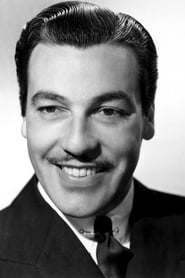

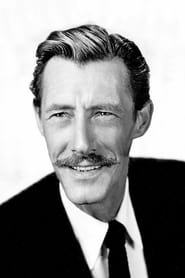
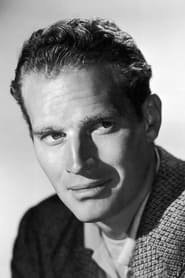
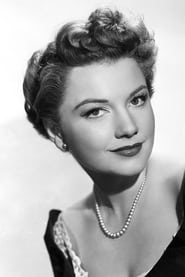

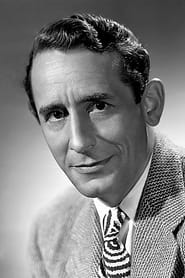
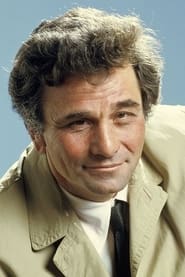

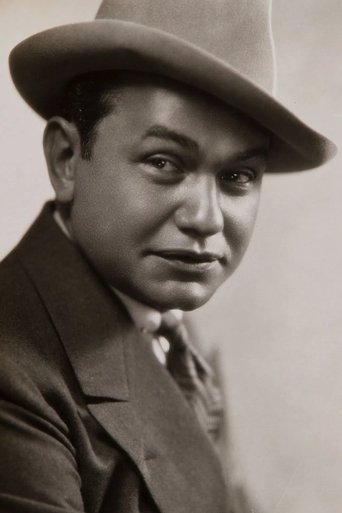
Edward G. Robinson
1893-12-12 · Bucarest, Roumanie
Edward G. Robinson (born Emanuel Goldenberg; December 12, 1893 – January 26, 1973) was a Romanian-born American actor and political activist. Although he played a wide range of characters, he is best remembered for his roles as a gangster, most notably in his star-making film Little Caesar (1931). Robinson's career saw a decline during the 1950s Red Scare when he was threatened with blacklisting. Experiencing underemployment, he turned towards minor roles in B movies until he eventually returned to the mainstream by playing one of Moses' adversaries Dathan in Cecil B. DeMille's religious epic The Ten Commandments (1956). He was ranked number 24 in the American Film Institute's list of the 25 greatest male stars of Classic American cinema. Never having been nominated for an Academy Award during his 60-year career, he became a posthumous recipient of an Honorary Oscar in 1973, two months after his death.
Robinson was Jewish and a staunch critic of fascist and Nazi ideologies that were on the rise in the 1930s. He donating more than $250,000 to 850 political and charitable organizations between 1939 and 1949, hosted a gathering at his home to sign a declaration calling for a boycott of all German-made products, frequently appeared at Soviet and American war relief rallies, delivered radio addresses in over six languages to Nazi-occupied European countries, and traveled to Normandy to entertain the troops, becoming the first movie star to go there for the USO. Robin was also an outspoken supporter of the civil rights movement, and regularly campaigned to overcome segregation.