

Ralph Ince
Known for
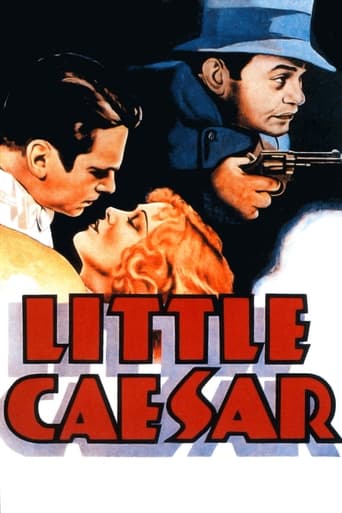


Across changing tastes and formats, Ralph Ince has stayed an American actor with the kind of filmography that takes a while to scroll through. The most visible line on the filmography is 'Little Caesar' (Pete Montana). It began in 1910, at the age of 23. Counting cinema and television together, the tally passes 38 titles.
Ralph Ince
38 Movies
Across changing tastes and formats, Ralph Ince has stayed an American actor with the kind of filmography that takes a while to scroll through. The most visible line on the filmography is 'Little Caesar' (Pete Montana). It began in 1910, at the age of 23. Counting cinema and television together, the tally passes 38 titles.
Movies
Plays Pete Montana
Little Caesar
1931

Plays The Boy
Jean the Match-Maker
1910

Plays Poe Northrup
Law and Order
1932

Plays O'Grady
Girl of the Rio
1932
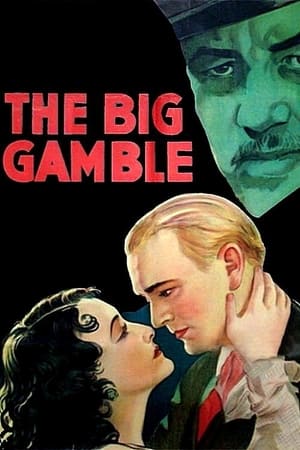
Plays Webb
The Big Gamble
1931

Plays Second Trial Defense Attorney
State's Attorney
1932

Plays Marty Drake
Law of the Sea
1931

Plays Farley
Men of Chance
1931

Plays "Maxey" Campo
The Star Witness
1931
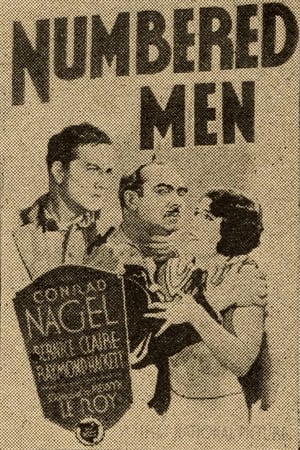
Plays 'King' Callahan, #12254
Numbered Men
1930

Plays Capt. 'Gorilla' Larsen
Gorilla Ship
1932

Plays Abraham Lincoln
The Battle Hymn of the Republic
1911

Director
Out of the Snows
1920

Plays J.B. Roscoe
The Mouthpiece
1932
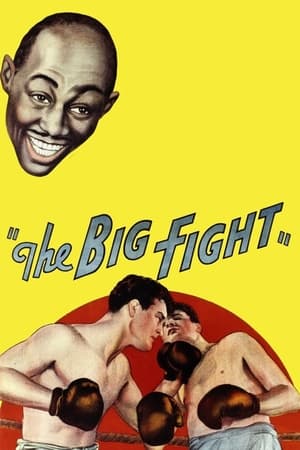
Plays Chuck
The Big Fight
1930

Plays Jack Reed
Guilty as Hell
1932

Plays Dante
Gentleman's Fate
1931

Director
Chicago After Midnight
1928

Plays Jettick
The Lost Squadron
1932

Plays G.W. 'Butch' O'Neill
Havana Widows
1933
Latest Trailers

Watch Trailer
Little Caesar
Full Filmography 38
So You Won't Talk
Ralph Younger
1935
Film
Havana Widows
G.W. 'Butch' O'Neill
1933
Film
Men Of America
Cicero
1932
Film
The Pride of the Legion
Klafki
1932
Film
Guilty as Hell
Jack Reed
1932
Film
Gorilla Ship
Capt. 'Gorilla' Larsen
1932
Film
The Tenderfoot
Dolan
1932
Film
State's Attorney
Second Trial Defense Attorney
1932
Film
The County Fair
Diamond Barnett
1932
Film
Photos


Frequently Asked Questions
Is Ralph Ince still alive?
Ralph Ince passed away on April 10, 1937 at age 50.
What are the most famous roles of Ralph Ince?
Ralph Ince is best known for roles in Little Caesar, The Lost Squadron, The Star Witness.
How many movies has Ralph Ince been in?
Over a 27-year career (since 1910), Ralph Ince has appeared in 38 movies and 0 TV shows.
What was Ralph Ince's first movie?
The career of Ralph Ince began with Jean the Match-Maker (1910).
What is Ralph Ince's most recent movie or series?
Ralph Ince's most recent release is Gaol Break, which premiered on August 31, 1936.

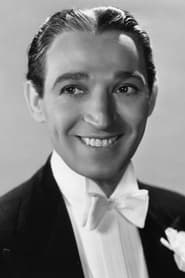
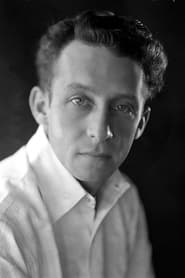
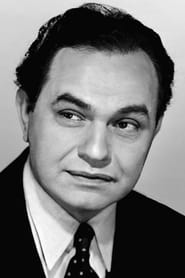
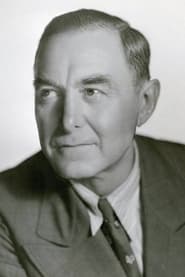
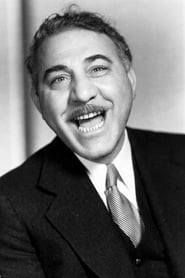
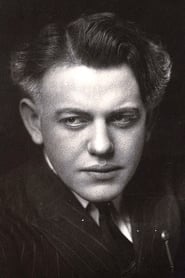
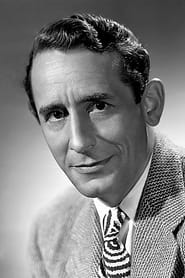
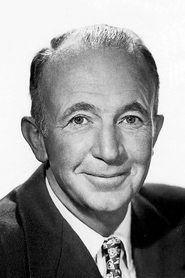
Ralph Ince
1887-01-14 · Boston, Massachusetts, USA
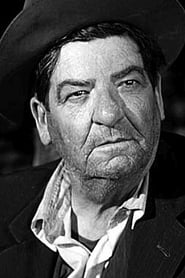
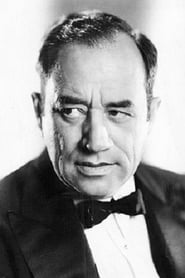
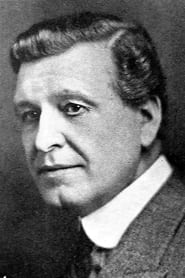
Ralph Ince (January 16, 1887 – April 10, 1937) was an American pioneer film actor, director and screenwriter whose career began near the dawn of the silent film era. Ralph Ince was the brother of John Ince and Thomas H. Ince. Ralph Waldo Ince was born in Boston, Massachusetts, the younger of three sons and a daughter raised by English immigrants, John and Emma Ince. Sometime after his birth Ince moved to Manhattan where his entire family was engaged in theater work; his father as a musical agent and mother, sister Bertha and brothers, John and Thomas as actors. Ralph Ince studied art with cartoonist Dan McCarthy and for a while worked as a newspaper cartoonist for the New York World and later magazine illustrator for the New York Mirror and The Evening Telegram. At times over his acting and directing career Ince would continue to contribute cartoons to popular magazines of the day. Early on in his career Ince, who had done some stage acting as a child, was a member of Richard Mansfield's stock company playing parts in The College Widow and Ben Hur.
Around 1906 Ince became an animator in the fledgling film industry working for Winsor McCay, but soon turned to acting and joined Vitagraph Studios where he became known for his portrayals of Abraham Lincoln in a series of one reel films. Ince began directing at Vitagraph around 1910 and was officially advanced to the director’s chair in 1912, though he still continued to act in many of his films and throughout his career. Ince would go on to direct some 171 films between 1910 and 1937 and appear in approximately 110 films over nearly the same time period.