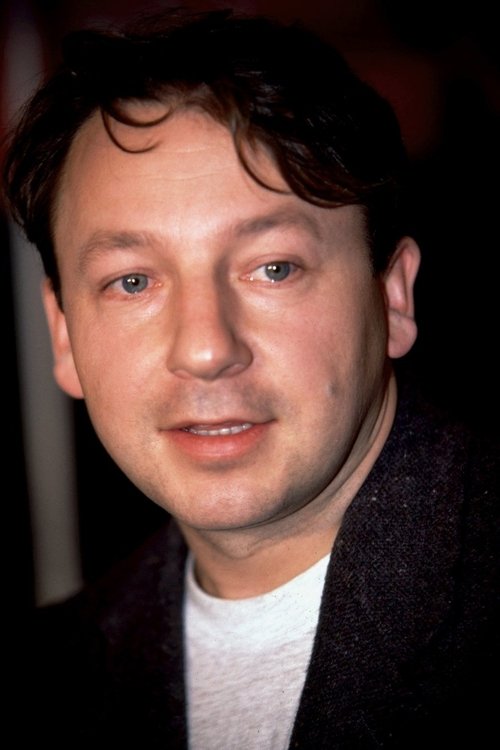

Zbigniew Zamachowski
Actor
65 years (Jul 17, 1961)Brzeziny, Poland


Zbigniew Zamachowski has spent most of a working life as a Polish actor whose name has been turning up in credits for decades. Ask a viewer to place Zbigniew Zamachowski and the answer usually comes back 'The Pianist'. 'Three Colors: Blue' is a second title with real reach. The early stretch of the career is the part least seen today. Neither the cinema nor the television half of the career can be called the side project.
Zbigniew Zamachowski
Actor
Zbigniew Zamachowski has spent most of a working life as a Polish actor whose name has been turning up in credits for decades. Ask a viewer to place Zbigniew Zamachowski and the answer usually comes back 'The Pianist'. 'Three Colors: Blue' is a second title with real reach. The early stretch of the career is the part least seen today. Neither the cinema nor the television half of the career can be called the side project.
85 Movies

Plays Customer with Coins
The Pianist
2002
Plays Karol Karol
Three Colors: Red
1994

Plays Karol Karol
Three Colors: White
1994
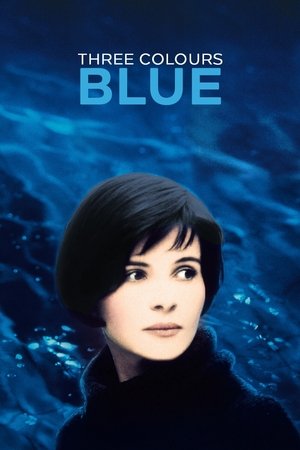
Plays Karol Karol
Three Colors: Blue
1993

Plays Terry's Driver
Proof of Life
2000
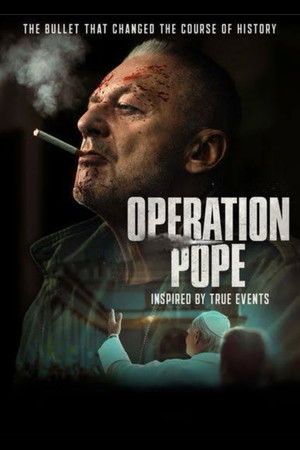
Plays Commander in Gurówka
Operation Pope
2025
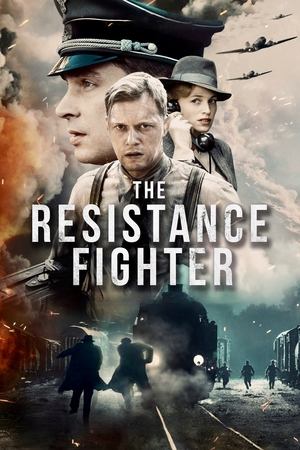
Plays Generał Antoni Chruściel - Monter
The Resistance Fighter
2019

Plays Liamchine
The Possessed
1988

Plays Lukasz
Dark Crimes
2016

Plays Michał Wołodyjowski
With Fire and Sword
1999

Plays Fryderyk
Sweat
2020

Plays Marek
Yes, Yes
1993

Plays Stefan
Treasure
2024
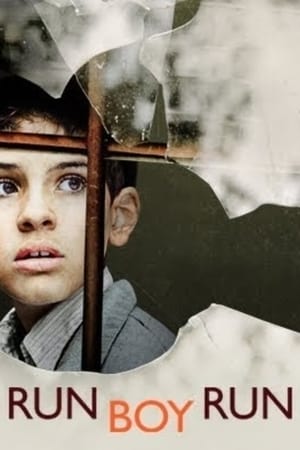
Plays Hersch Fridman
Run Boy Run
2014
Plays Gendera
Jack Strong
2014

Plays Dariusz
Warsaw Station
2014

Plays Klama
Surfers’ Time
2005

Plays sierżant Dudek
Colonel Kwiatkowski
1996

Plays Cpt. Czesław Grążel
Operation Dunaj
2009

Plays Marian
Came the Uhlans
2006

Plays Nawiślak
Wałesa: Man of Hope
2013

Plays Jaskier
The Hexer
2001

Plays Sierżant Włodzimierz Nowak
Aftermath
2012

Plays "Gawełek"
Pitbull. Last Dog
2018

Plays Tadeusz
A Night at the Kindergarten
2022

Plays Dymecki
The Station
2001
Plays Kołota, kierownik szkoły
Weiser
2001
Plays Stanisław Skorodecki
Prymas. Trzy lata z tysiąca
2000
Plays Sergej
23
1998

Plays Stanislaw
Cabin Fever
2000

Plays Gutek
The Birch-Tree Meadow
2003

Plays Lech Ryszka
Love Me and Do Whatever You Want
1997

Plays Ganor
Persona Non Grata
2015
Plays Ichak Szulc
Korczak
1990
Plays Antoni
Distant Lights
2003

Plays Vice-President
1800 Grams
2019

Plays TV Cameraman
Blind Date
2010

Plays Popers
Luxury
2008

Plays Dziennikarz
The Offsiders
2008

Plays Ireneusz
Popieluszko: Freedom Is Within Us
2009
Plays Stanisław Pasyk
Gods
2014

Plays Stanislaw Goraj
Dublerzy
2006
Plays 'Houdini' Moraczewski
Demons of War
1998

Plays Bogdan
Father, Son & Holy Cow
2011

Plays Ryszard 'Ricky' Poprawa
7 Things You Don't Know About Men
2016

Plays Rafalski
Triple Trouble
2020

Plays parobek
30 Door Key
1991

Plays Ryszard
Da kommt noch was
2021

Plays Matuszek
White Soup
2003

Plays Dizel
The Body
2003
12 TV Shows

Plays Stasiak
Układ
2021

Plays Jaskier
The Witcher
2002

Plays Zdzisław Grudzień
Lead Children
2026

Plays Commander Mirek (voice)
The Green Glove Gang
2022

Plays Roman Hanus
The Pact
2015

Plays Ojciec Dyrektor
Politics
2019

Plays Behemot / Riuchin
The Master and Margarita
1990
Plays Jerzy Michał Wołodyjowski
With Fire and Sword
2001

Plays Behemot
Mistrz i Małgorzata
1990

Plays Dziekan
Sexify
2021

Plays priest Paweł
Echo serca
2019
Plays Artur
Dekalog
1989
Latest Trailers

Watch Trailer
Operation Pope
Full Filmography
Lead Children
Zdzisław Grudzień · 6 episodes
2026–
Operation Pope
Commander in Gurówka
2025
Treasure
Stefan
2024
Our Folks: The Beginning
Kacper Pawlak
2024
If I Were You
Neighbour
2023
A Night at the Kindergarten
Tadeusz
2022
The Green Glove Gang
Commander Mirek (voice)
2022–
Miłość na pierwszą stronę
Doctor
2022
8 Things
Ryszard 'Ricky' Poprawa
2022
Photos

Frequently Asked Questions
How old is Zbigniew Zamachowski and where are they from?
Zbigniew Zamachowski is 65 years old, born on July 17, 1961 in Brzeziny, Poland.
What are the most famous roles of Zbigniew Zamachowski?
Zbigniew Zamachowski is best known for roles in The Pianist, Three Colors: Blue, Three Colors: Red.
How many movies has Zbigniew Zamachowski been in?
Over a 45-year career (since 1981), Zbigniew Zamachowski has appeared in 85 movies and 12 TV shows.
What was Zbigniew Zamachowski's first movie?
The career of Zbigniew Zamachowski began with The Big Picnic (1981).
What is Zbigniew Zamachowski's most recent movie or series?
Zbigniew Zamachowski's most recent release is Podróż sentymentalna, which premiered on August 3, 2026.
What TV shows has Zbigniew Zamachowski appeared in?
On television, Zbigniew Zamachowski has appeared in Sexify, Dekalog, Lead Children, The Witcher.
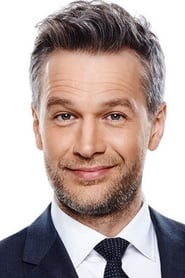

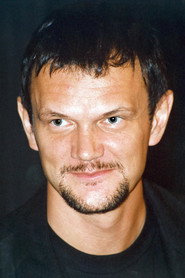



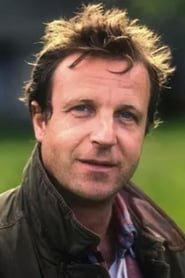

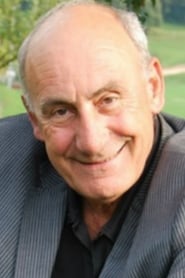
Zbigniew Zamachowski
1961-07-17 · Brzeziny, Poland
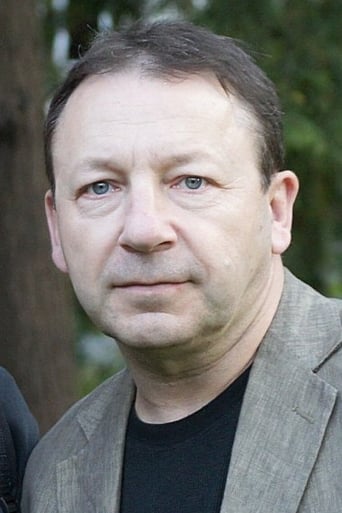
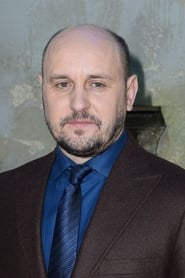
Zbigniew Zamachowski (Polish pronunciation: [ˈzbiɡɲɛv zamaˈxɔfskʲi]; born 17 July 1961) is a Polish actor. Zamachowski graduated from the actor's faculty of the National Film School in Łódź. He began his acting career in 1981 and in 1989 had a co-starring role in Part Ten of director Krzysztof Kieślowski's film series, Dekalog. Four years later, Kieślowski cast him as the lead character, "Karol Karol", in Three Colors: White, the second of his acclaimed Three Colors trilogy. He is a two-time winner of Polish Film Awards for his roles in Robert Gliński's film Hi, Tereska (2001) and Andrzej Jakimowski's film drama Zmróż oczy (2004). His other notable roles are featured in Kazimierz Kutz's film Colonel Kwiatkowski (1996), Jerzy Hoffman's historical film With Fire and Sword (1999) and Andrzej Wajda's biopic Walesa: Man of Hope (2013).
Between 1985 and 1997, he performed at The Studio Theater, and since 1997 he has been an actor at the National Theater in Warsaw.