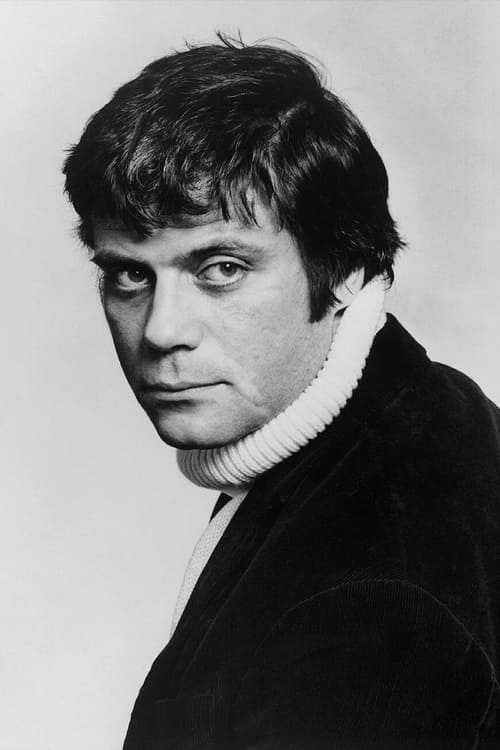

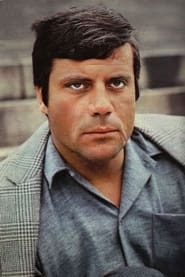
Oliver Reed
Known for
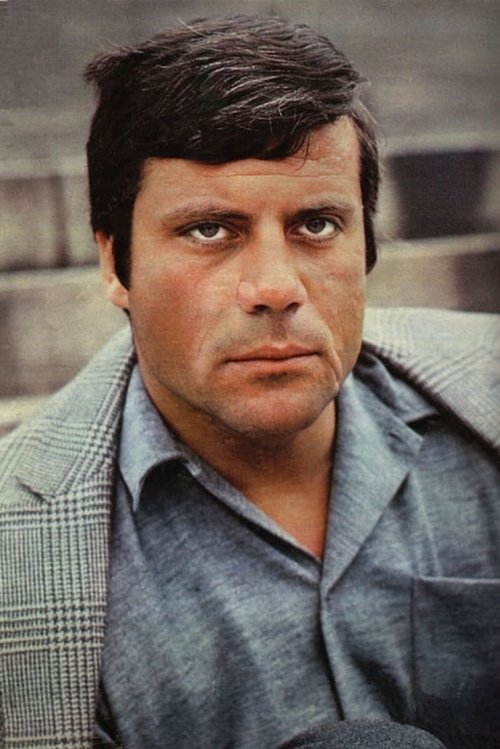
A larger-than-life English actor whose magnetism dominated British cinema of the 1960s and 70s. Oliver Reed brought a brooding, dangerous virility to Ken Russell's 'Women in Love' (1969) and 'The Devils' (1971), and sang and swaggered through the musical 'Oliver!' (1968). A hell-raiser as famous off screen as on, he gave a final, dignified performance as the gladiator trainer Proximo in Ridley Scott's 'Gladiator' (2000), released after his death in 1999. He remains one of the great, untamed presences of postwar British film.
Oliver Reed
90 Movies
6 Series
A larger-than-life English actor whose magnetism dominated British cinema of the 1960s and 70s. Oliver Reed brought a brooding, dangerous virility to Ken Russell's 'Women in Love' (1969) and 'The Devils' (1971), and sang and swaggered through the musical 'Oliver!' (1968). A hell-raiser as famous off screen as on, he gave a final, dignified performance as the gladiator trainer Proximo in Ridley Scott's 'Gladiator' (2000), released after his death in 1999. He remains one of the great, untamed presences of postwar British film.
Movies
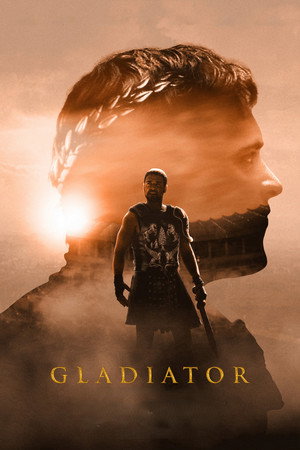
Plays Proximo
Gladiator
2000
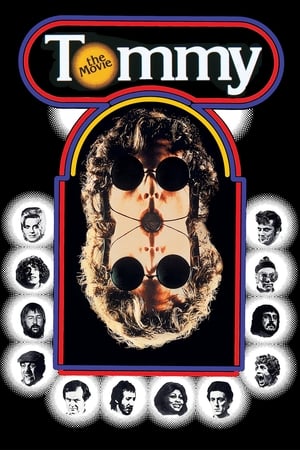
Plays Frank
Tommy
1975
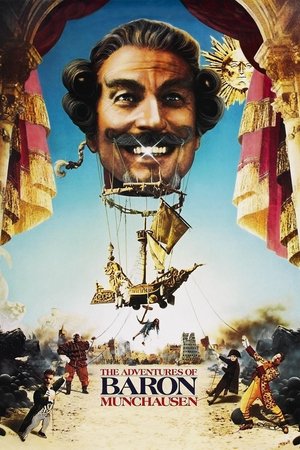
Plays Vulcan
The Adventures of Baron Munchausen
1988
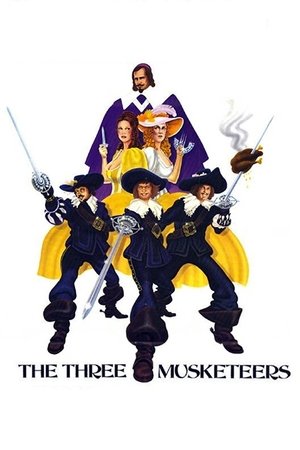
Plays Athos
The Three Musketeers
1973
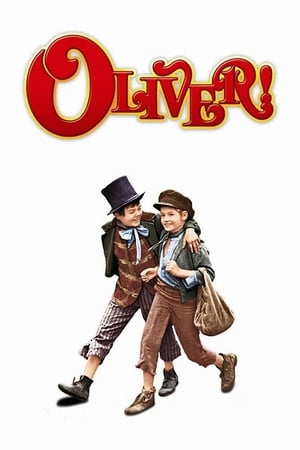
Plays Bill Sikes
Oliver!
1968
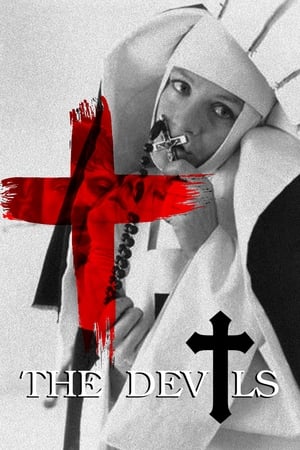
Plays Father Urbain Grandier
The Devils
1971
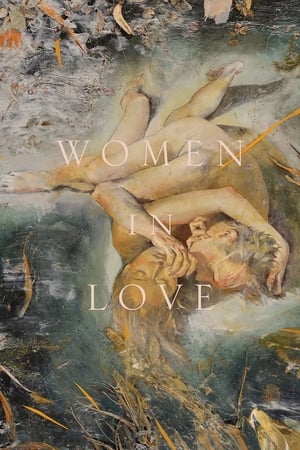
Plays Gerald Crich
Women in Love
1969
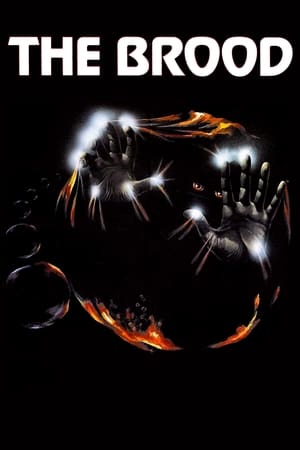
Plays Dr. Hal Raglan
The Brood
1979
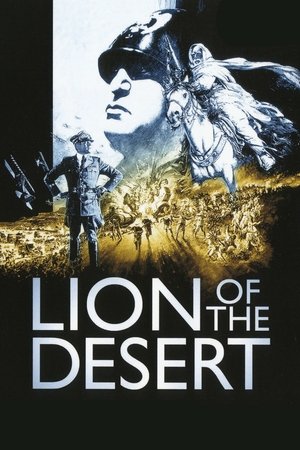
Plays General Rodolfo Graziani
Lion of the Desert
1981
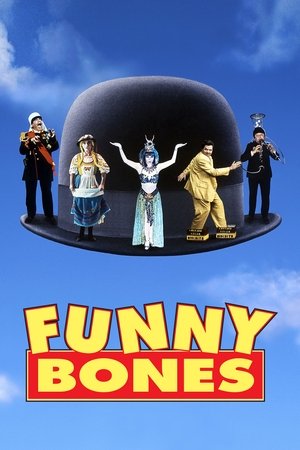
Plays Dolly Hopkins
Funny Bones
1995
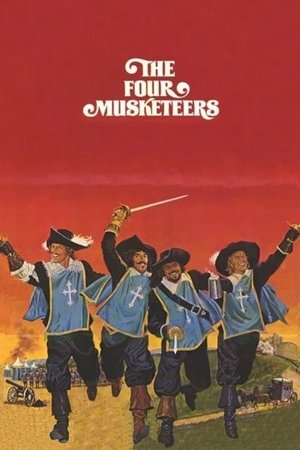
Plays Athos
The Four Musketeers
1974
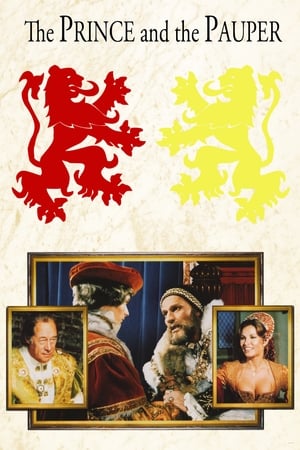
Plays Miles Hendon
The Prince and the Pauper
1977
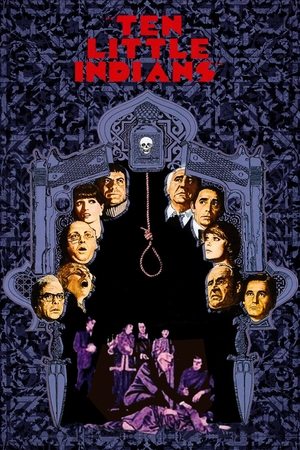
Plays Hugh Lombard
And Then There Were None
1974
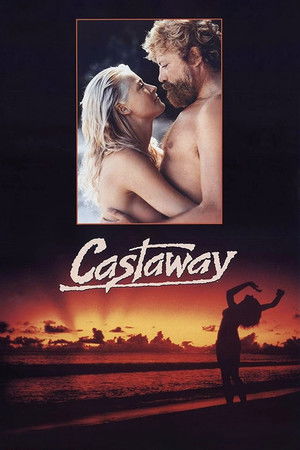
Plays Gerald Kingsland
Castaway
1986
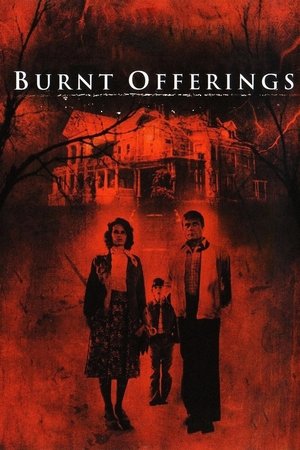
Plays Ben Rolf
Burnt Offerings
1976
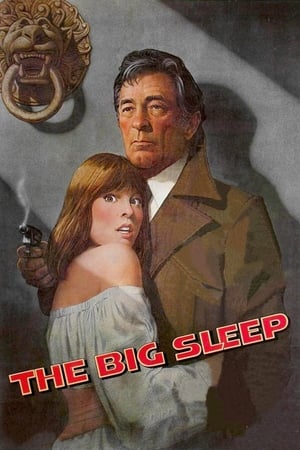
Plays Eddie Mars
The Big Sleep
1978
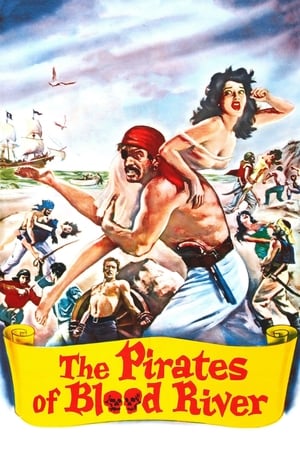
Plays Pirate Brocaire
The Pirates of Blood River
1962
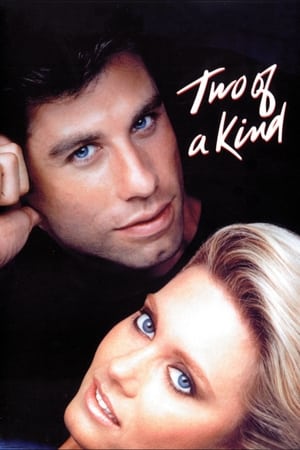
Plays Beasley
Two of a Kind
1983
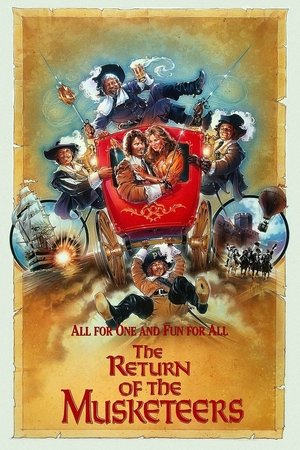
Plays Athos
The Return of the Musketeers
1989
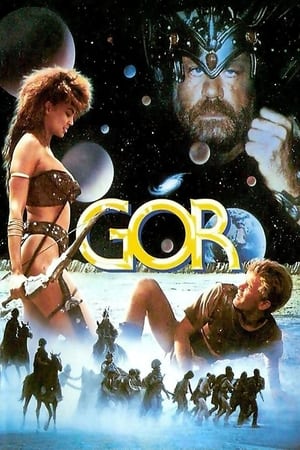
Plays Sarm
Gor
1987
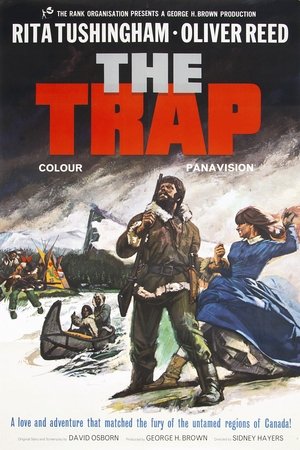
Plays La Bete
The Trap
1966
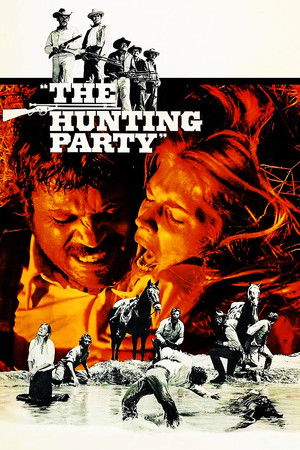
Plays Frank Calder
The Hunting Party
1971
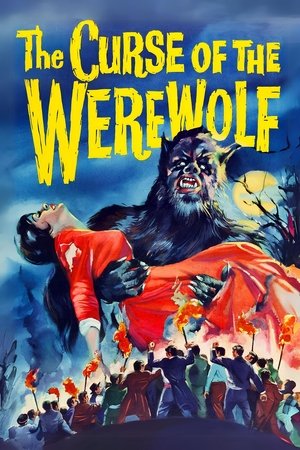
Plays Leon Corledo
The Curse of the Werewolf
1961
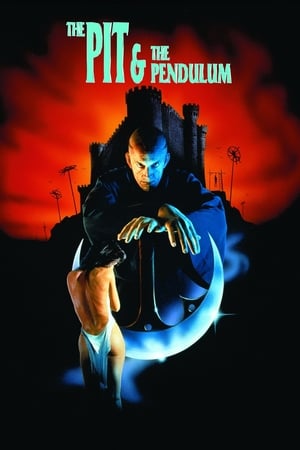
Plays Cardinal
The Pit and the Pendulum
1991
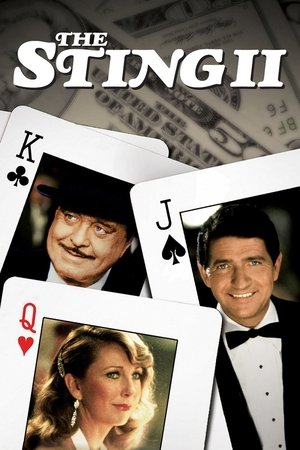
Plays Lonnegan
The Sting II
1983
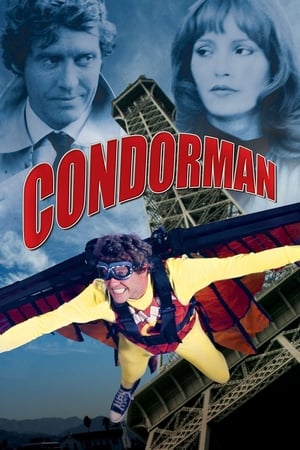
Plays Krokov
Condorman
1981
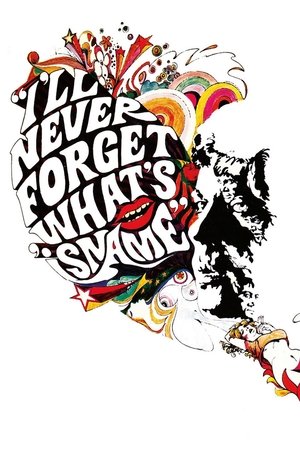
Plays Andrew Quint
I'll Never Forget What's'isname
1967
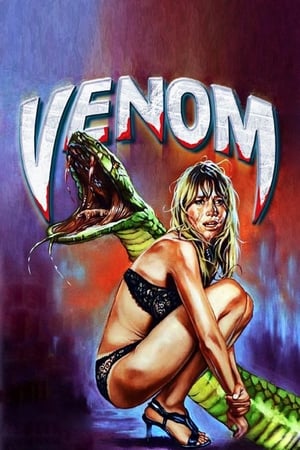
Plays Dave Averconnelly
Venom
1981

Plays Bishop Wisharton
The Bruce
1996
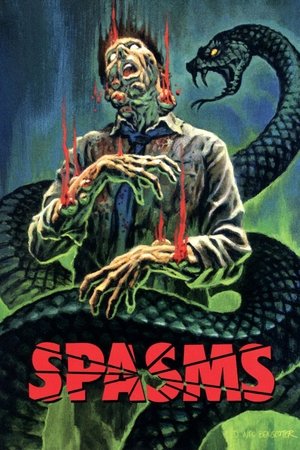
Plays Jason Kincaid
Spasms
1983
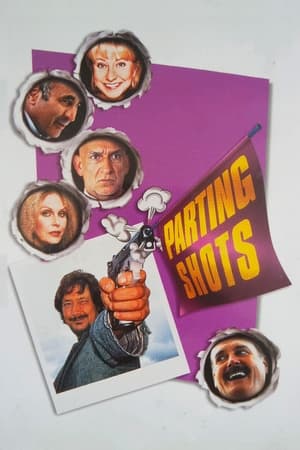
Plays Jamie Campbell-Stewart
Parting Shots
1999
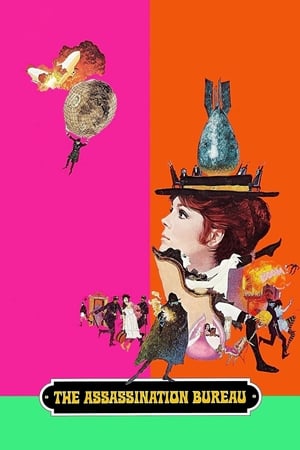
Plays Ivan Dragomiloff
The Assassination Bureau
1969
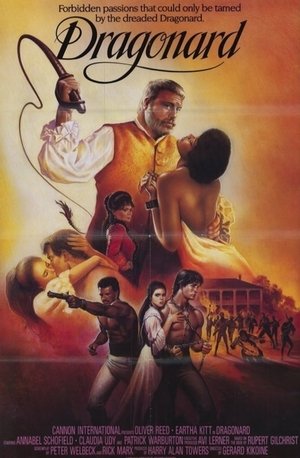
Plays Captain Shanks
Dragonard
1987

Plays Nick McCormick
Ransom
1977
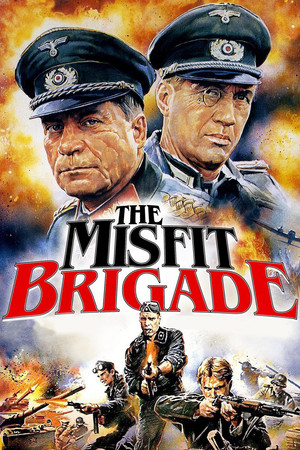
Plays The General
The Misfit Brigade
1987
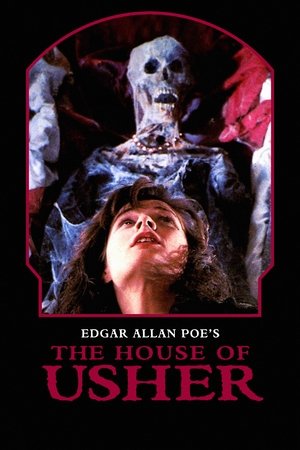
Plays Roderick Usher
The House of Usher
1989
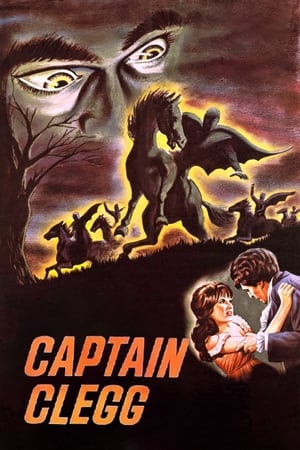
Plays Harry Cobtree
Captain Clegg
1962
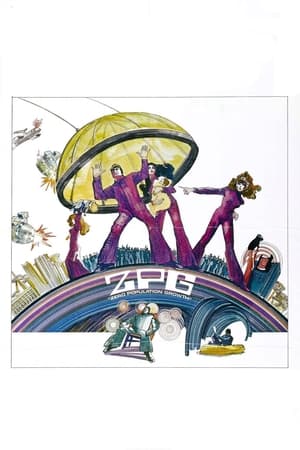
Plays Russ
Z.P.G.
1972
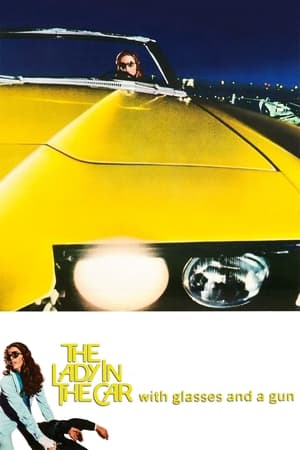
Plays Michael Caldwell
The Lady in the Car with Glasses and a Gun
1970
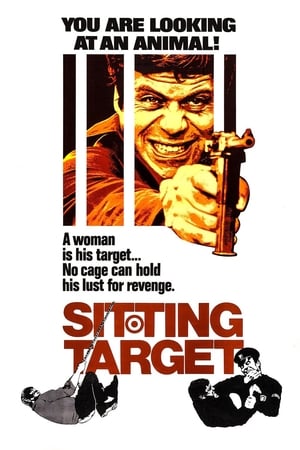
Plays Harry Lomart
Sitting Target
1972
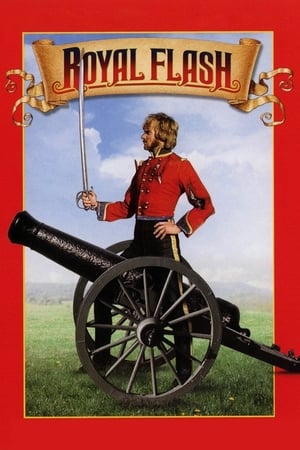
Plays Otto von Bismarck
Royal Flash
1975
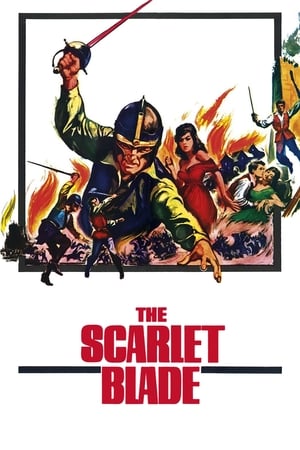
Plays Captain Sylvester
The Scarlet Blade
1963
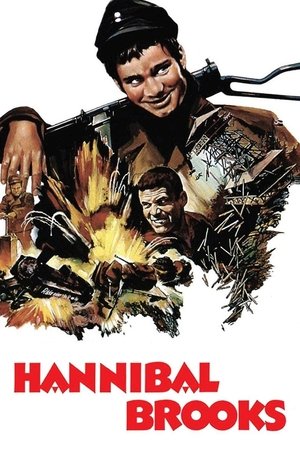
Plays Brooks
Hannibal Brooks
1969
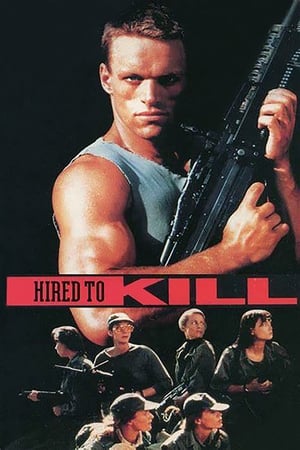
Plays Michael Bartos
Hired to Kill
1990
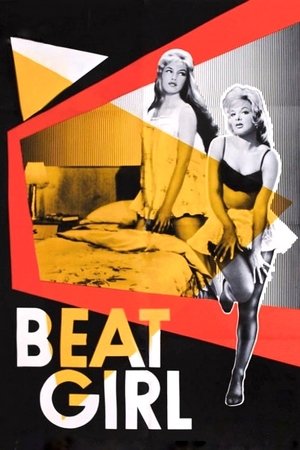
Plays Plaid Shirt
Beat Girl
1960
Plays Edward Widdlecome
Fanny Hill
1983
Plays Fabrizo
Dirty Weekend
1973
Plays Artist in Cafe
The Rebel
1961
Plays Princess Carolyn's Servant
Lisztomania
1975
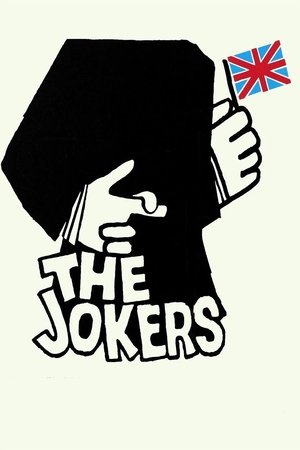
Plays David Tremayne
The Jokers
1967
Latest Trailers
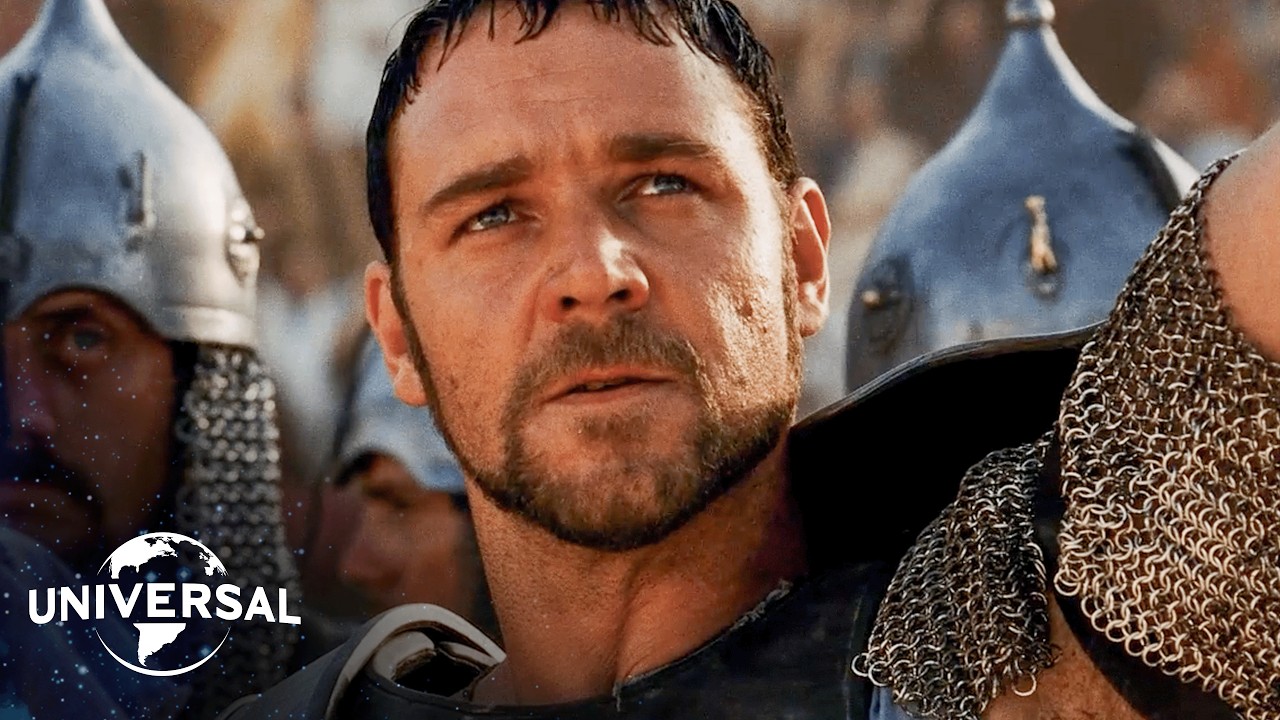
Watch Trailer
Gladiator
Full Filmography
Gladiator
Proximo
2000
Film
Parting Shots
Jamie Campbell-Stewart
1999
Film
The Incredible Adventures of Marco Polo
Captain Cornelius Donovan
1998
Film
The Bruce
Bishop Wisharton
1996
Film
Funny Bones
Dolly Hopkins
1995
Film
Return to Lonesome Dove
Gregor Dunnigan · 4 episodes
1993
TV
Severed Ties
Dr. Hans Vaughan
1992
Film
The Pit and the Pendulum
Cardinal
1991
Film
Panama Sugar
Generale
1990
Film
Photos
Frequently Asked Questions
Is Oliver Reed still alive?
Oliver Reed passed away on May 2, 1999 at age 61.
What are the most famous roles of Oliver Reed?
Oliver Reed is best known for roles in Gladiator, The Adventures of Baron Munchausen, The Brood.
How many movies has Oliver Reed been in?
Over a 44-year career (since 1955), Oliver Reed has appeared in 90 movies and 6 TV shows.
What was Oliver Reed's first movie?
The career of Oliver Reed began with Value for Money (1955).
What is Oliver Reed's most recent movie or series?
Oliver Reed's most recent release is L'esattore (parodia de "Il gladiatore"), which premiered on January 1, 2002.
What TV shows has Oliver Reed appeared in?
On television, Oliver Reed has appeared in The Saint, The Tonight Show Starring Johnny Carson, Return to Lonesome Dove, The Max Headroom Show.



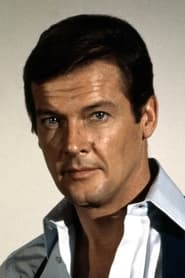
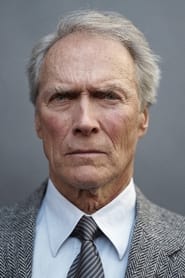
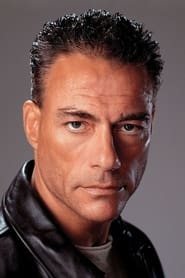
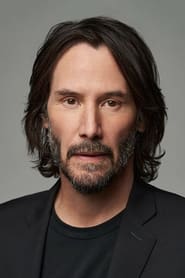
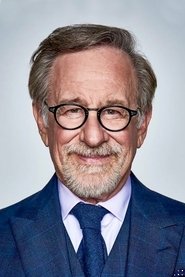

Oliver Reed
1938-02-13 · Wimbledon, London, England, UK
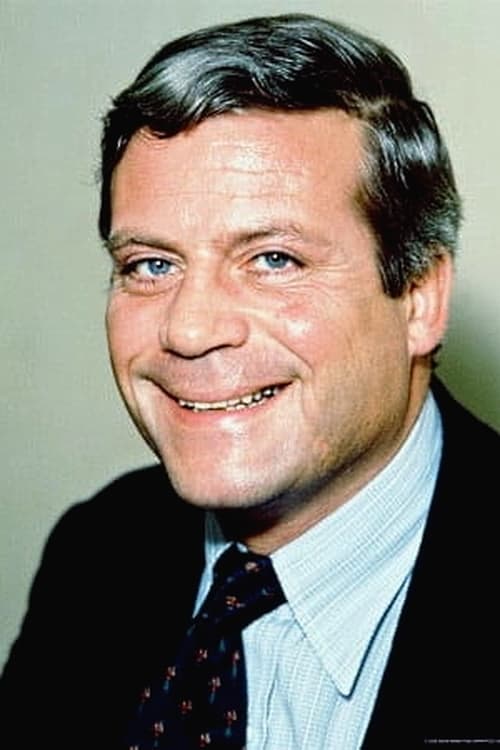
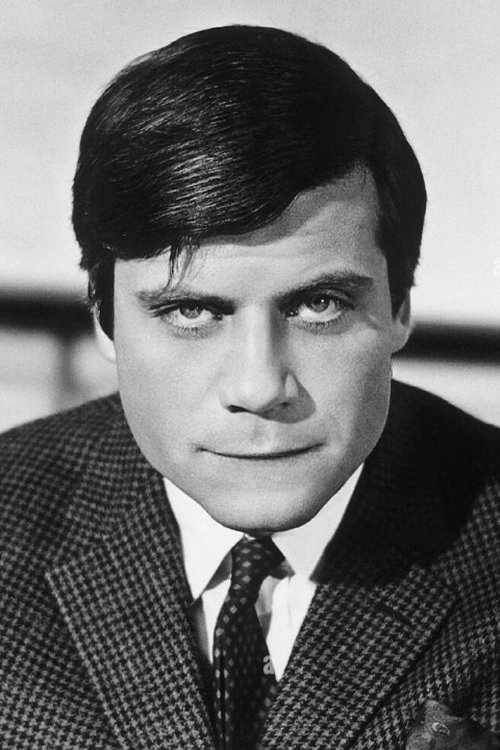
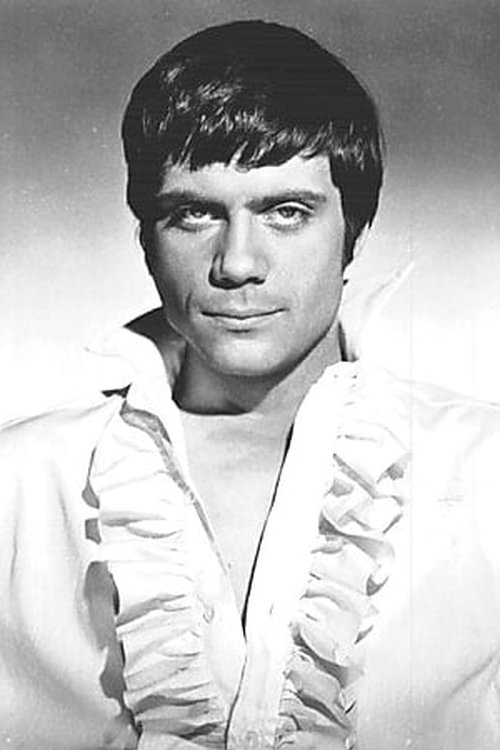
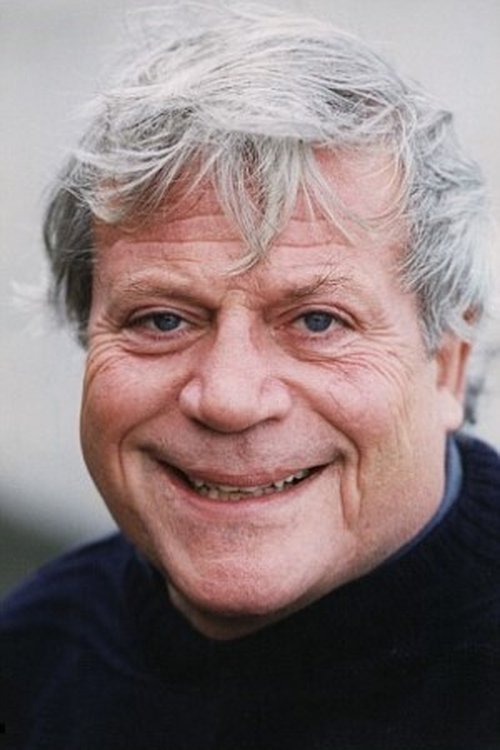
Robert Oliver Reed (February 13, 1938 – May 2, 1999) was an English actor known for his "hellraiser" lifestyle. After making his first significant screen appearances in Hammer Horror films in the early 1960s, his notable films include The Trap (1966), playing Bill Sikes in the 1968 Best Picture Oscar winner Oliver! (a film directed by his uncle Carol Reed), Women in Love (1969), Hannibal Brooks (1969), The Devils (1971), portraying Athos in The Three Musketeers (1973) and The Four Musketeers (1974); the lover and stepfather in Tommy (1975), Funny Bones (1995) and Gladiator (2000).
For playing Antonius Proximo, the old, gruff gladiator trainer in Ridley Scott's Gladiator, in what was his final film, Reed was posthumously nominated for the BAFTA Award for Best Actor in a Supporting Role in 2000. At the peak of his career, in 1971, British exhibitors voted Reed fifth most popular star at the box office. The British Film Institute (BFI) stated that "partnerships with Michael Winner and Ken Russell in the mid-60s saw Reed become an emblematic Brit-flick icon", but from the mid-1970s his alcoholism began affecting his career, with the BFI adding "Reed had assumed Robert Newton's mantle as Britain's thirstiest thespian".