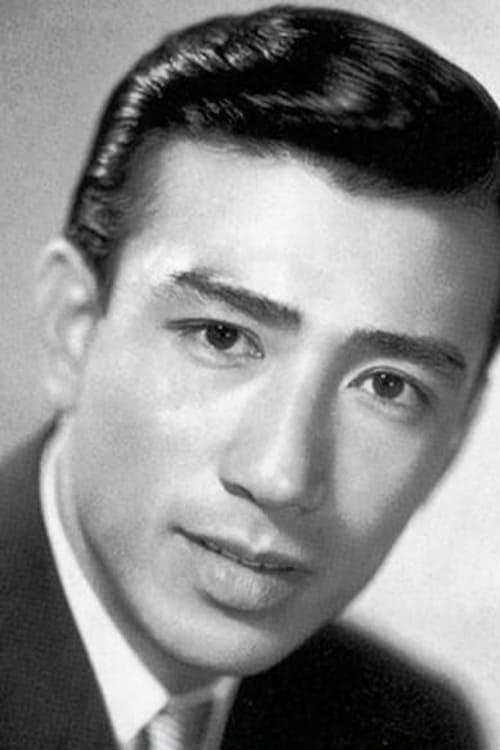
Keiji Sada
Actor
Known for
Across changing tastes and formats, Keiji Sada has stayed an actor whose career has outlived most of the formats it was recorded on. There are 51 entries on the filmography, most of them supporting work in other people's stories. In cinemas, 'An Autumn Afternoon' is the work that stuck — Koichi, specifically. 'Good Morning' is the other credit most often cited. The trail of credits goes back as far as 1947. More of the credits fall under drama than under anything else.
Keiji Sada
Actor
Across changing tastes and formats, Keiji Sada has stayed an actor whose career has outlived most of the formats it was recorded on. There are 51 entries on the filmography, most of them supporting work in other people's stories. In cinemas, 'An Autumn Afternoon' is the work that stuck — Koichi, specifically. 'Good Morning' is the other credit most often cited. The trail of credits goes back as far as 1947. More of the credits fall under drama than under anything else.
Movies (50 titles)
Plays Kageyama
The Human Condition I: No Greater Love
1959
Plays Kageyama Shôi
The Human Condition II: Road to Eternity
1959
Plays Koichi
An Autumn Afternoon
1962
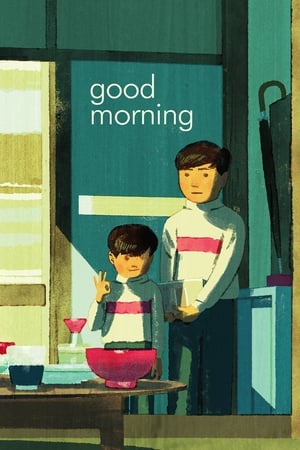
Plays Heiichiro Fukui
Good Morning
1959
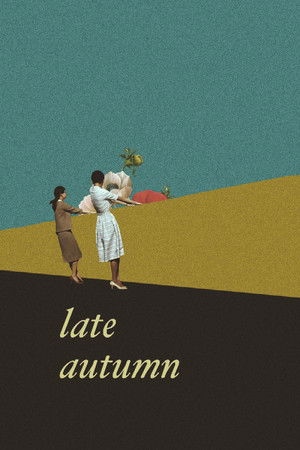
Plays Shotaru Goto
Late Autumn
1960
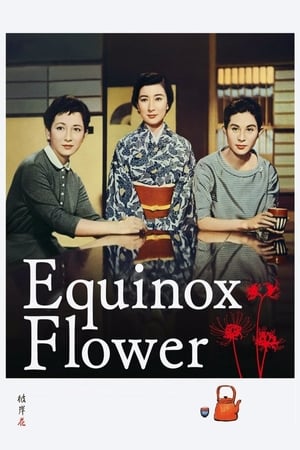
Plays Masahiko Taniguchi
Equinox Flower
1958
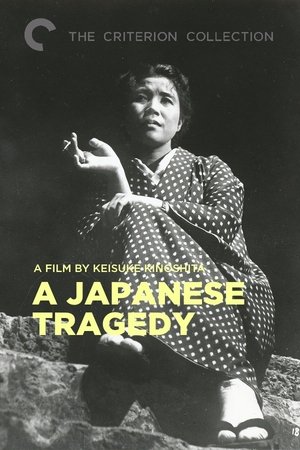
Plays Tatsuya
A Japanese Tragedy
1953
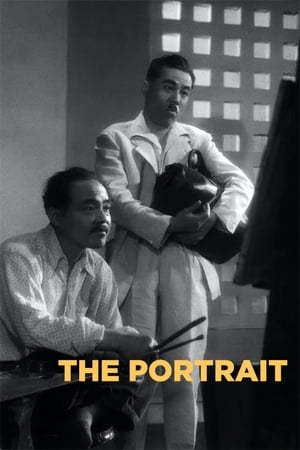
Plays Nakajima
The Portrait
1948

Plays Tamihiko Kujirai
Fireworks Over the Sea
1951

Plays Nakao
Beautiful Days
1955
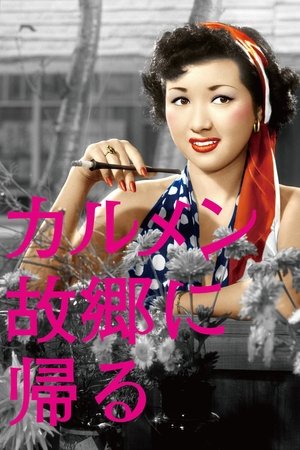
Plays Mr. Ogawa
Carmen Comes Home
1951
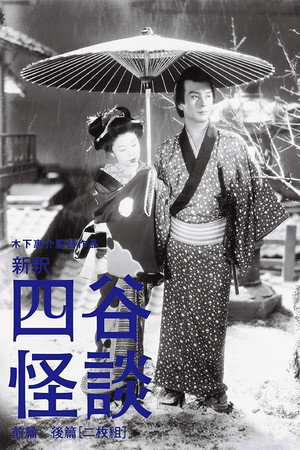
Plays Kobotoke Kohei
Yotsuya Ghost Story Part 1
1949

Plays Daisuke Kishimoto
I Will Buy You
1956
Plays Kohei
Yotsuya Ghost Story Part 2
1949
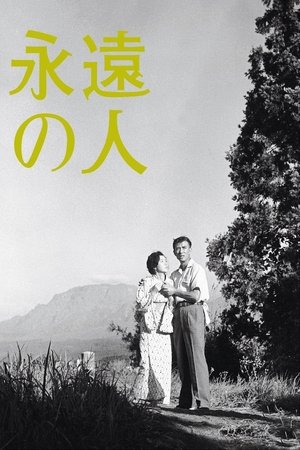
Plays Takashi
Immortal Love
1961
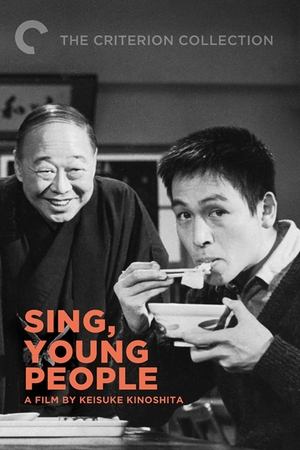
Plays Keiji Sada
Sing, Young People!
1963
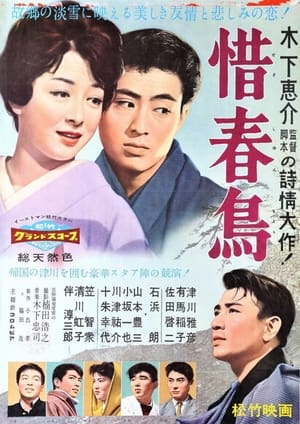
Plays Eitarô Makita
Farewell to Spring
1959

Plays Ryoichi Morita
Somewhere Beneath the Wide Sky
1954

Plays Tatsuoka
Sweet Sweat
1964

Plays Takazawa Shigeharu
Brand of Evil
1964

Plays Yoshimi Misaki
As the Clouds Scatter
1961

Plays Saburo Yaoi
A Woman’s Uphill Slope
1960

Plays Saburo Uchiyama, Tomoko's boyfriend
Home Sweet Home
1951

Plays Yajuro
Escape from Hell
1963

Plays Yoshio Nonaka, Torae's husband
Ballad of a Workman
1962

Plays Shunsuke, Fuyuko's brother-in-law
The Tattered Wings
1955
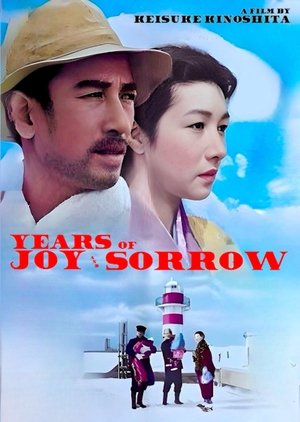
Plays Shiro Arisawa
Times of Joy and Sorrow
1957
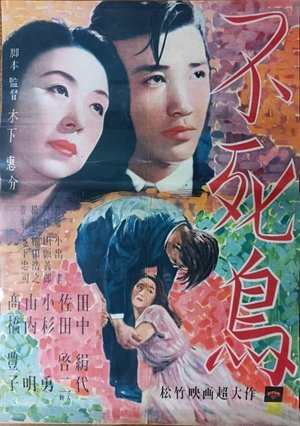
Plays Shinichi Yasaka
Phoenix
1947
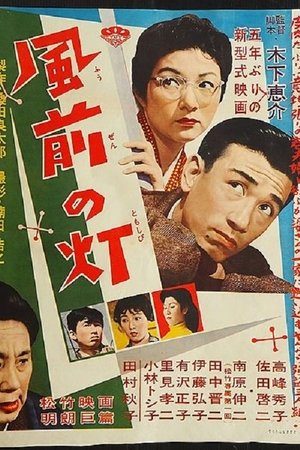
Plays Kaneshige
Danger Stalks Near
1957

Plays Takashi Kiguchi
Blood Is Dry
1960
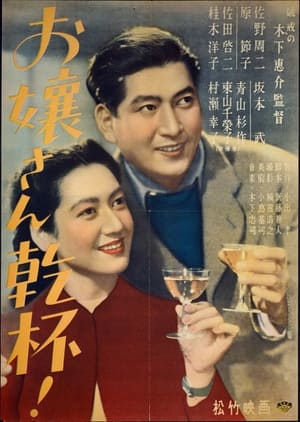
Plays Goro
Here's to the Young Lady
1949
TV Shows (1 title)

Latest Trailers

Watch Trailer
Sweet Sweat
Full Filmography 51
Sweet Sweat
Tatsuoka
1964
Brand of Evil
Takazawa Shigeharu
1964
To Your Majesty, The Emperor 2
Ryosuke Kurumiya
1964
Dobuike
Sadahiko Kanemitsu
1963
Double Wedding
Jiro Okuyama
1963
Life of a Flower
Nagano Shuzen · 39 episodes
1963–
Youth After School
Ichirô Hasegawa
1963
Escape from Hell
Yajuro
1963
Sing, Young People!
Keiji Sada
1963
Frequently Asked Questions
Is Keiji Sada still alive?
Keiji Sada passed away on August 17, 1964 at age 37.
What are the most famous roles of Keiji Sada?
Keiji Sada is best known for roles in An Autumn Afternoon, Good Morning, The Human Condition I: No Greater Love.
How many movies has Keiji Sada been in?
Over a 17-year career (since 1947), Keiji Sada has appeared in 50 movies and 1 TV shows.
What was Keiji Sada's first movie?
The career of Keiji Sada began with Phoenix (1947).
What is Keiji Sada's most recent movie or series?
Keiji Sada's most recent release is Sweet Sweat, which premiered on September 19, 1964.
What TV shows has Keiji Sada appeared in?
On television, Keiji Sada has appeared in Life of a Flower.
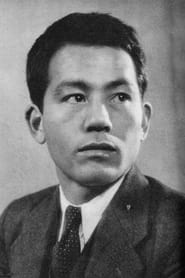
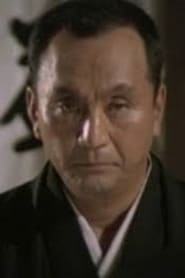
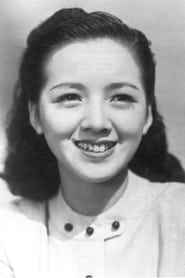
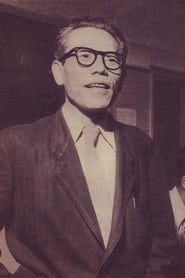
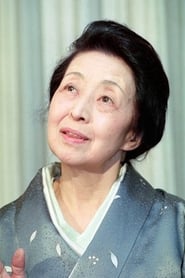


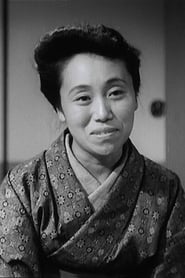

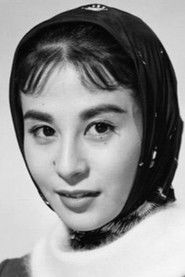
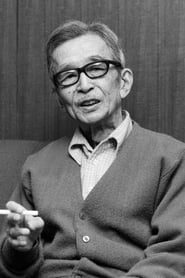

Keiji Sada
1926-12-09
Keiji Sada was a Japanese actor. He won the award for Best Actor at the 7th Blue Ribbon Awards for Anata Kaimasu (I Will Buy You) and Taifū Sōdōki (Typhoon). He was the father of the actor Kiichi Nakai. Sada is primarily known for starring in Ozu films, especially in the 1950s and most famously Good Morning (1959). He also was a supporting actor in two films of Masaki Kobayashi's Human Condition trilogy. Sada was born in Kyoto in 1926. While a student, he roomed at a boarding house owned by the actor Shuji Sano, and on graduation was offered a position at Shochiku Studios. He was paired with Kinuyo Tanaka for his debut appearance, Keisuke Kinoshita's Phoenix.
Sada was killed in a car crash in 1964. His wife and children were unharmed. He was 37.