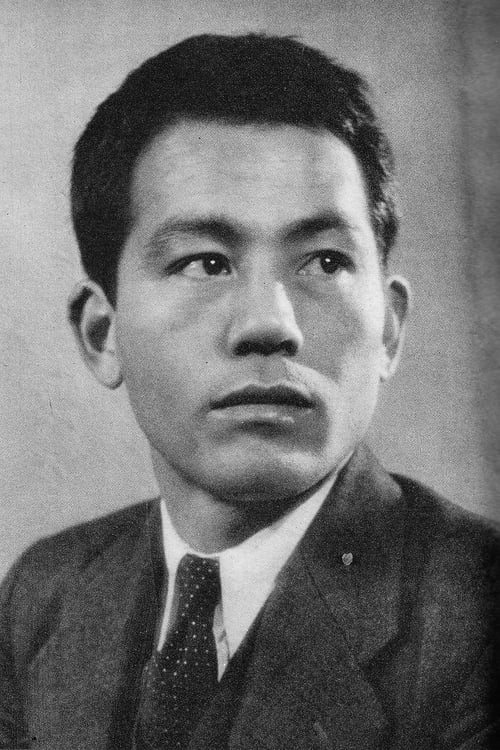

Chishū Ryū
Known for
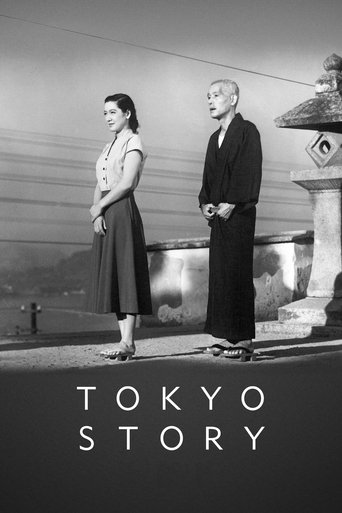
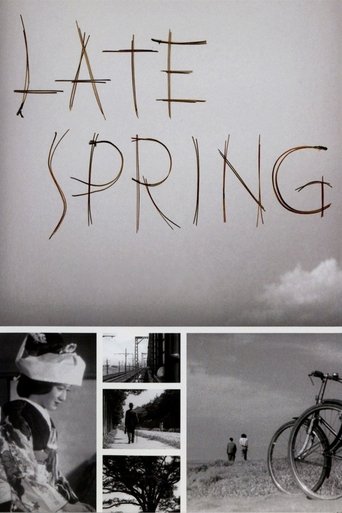
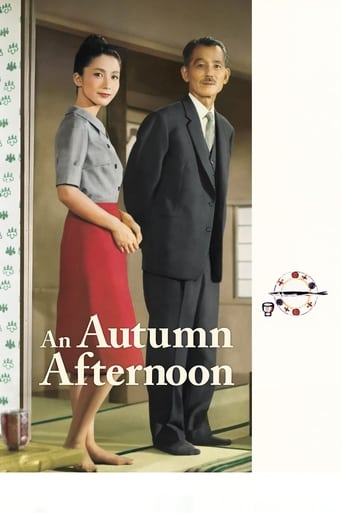
Born in Kumamoto Prefecture in 1904, Chishu Ryu became inseparable from Yasujiro Ozu, appearing in more than fifty of the director's films across four decades. He is the father in Tokyo Story (1953), quiet and devastating, and returned as the aging patriarch of Late Spring (1949) and An Autumn Afternoon (1962). Beyond Ozu he worked steadily with Mikio Naruse and later with Wim Wenders, who cast him in Tokyo-Ga (1985) as a documentary subject and in Faraway, So Close! (1993). His stillness on screen redefined what Japanese screen acting could be.
Chishū Ryū
158 Movies
3 Series
Born in Kumamoto Prefecture in 1904, Chishu Ryu became inseparable from Yasujiro Ozu, appearing in more than fifty of the director's films across four decades. He is the father in Tokyo Story (1953), quiet and devastating, and returned as the aging patriarch of Late Spring (1949) and An Autumn Afternoon (1962). Beyond Ozu he worked steadily with Mikio Naruse and later with Wim Wenders, who cast him in Tokyo-Ga (1985) as a documentary subject and in Faraway, So Close! (1993). His stillness on screen redefined what Japanese screen acting could be.
Movies
Plays Mr. Yasumoto
Red Beard
1965

Plays Old Man
Dreams
1990
Plays Shukichi Hirayama
Tokyo Story
1953
Plays Shukichi Somiya
Late Spring
1949
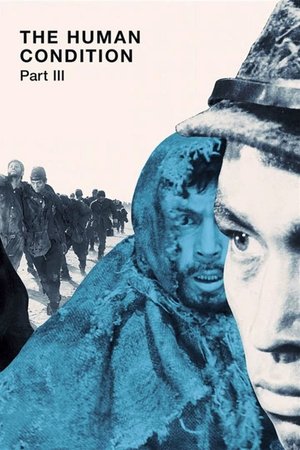
Plays Hinanmin no Chôrô
The Human Condition III: A Soldier's Prayer
1961
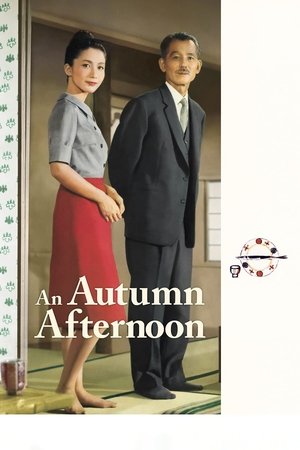
Plays Shuhei Hirayama
An Autumn Afternoon
1962
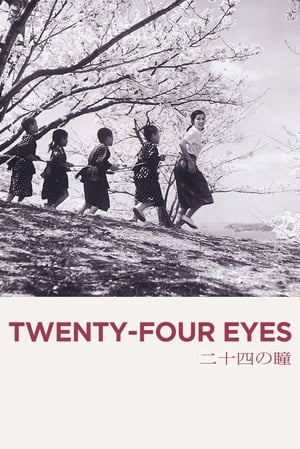
Plays Otoko Sensei
Twenty-Four Eyes
1954
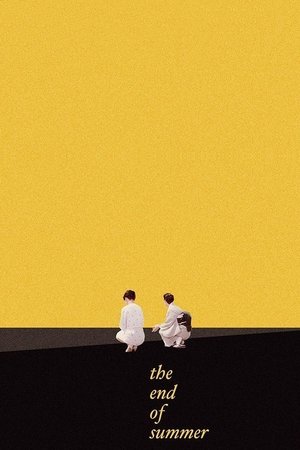
Plays Farmer
The End of Summer
1961

Plays The Priest
The Funeral
1984

Plays Kojuro Kirihara
The Castle of Sand
1974

Plays Mr. Mori
Until the End of the World
1991
Plays Public Prosecutor Nonaka
The Bad Sleep Well
1960

Plays Shukichi Sugiyama
Tokyo Twilight
1957
Plays Shukichi Miwa
Late Autumn
1960
Plays Shukichi Mikami
Equinox Flower
1958
Plays Koichi Mamiya
Early Summer
1951
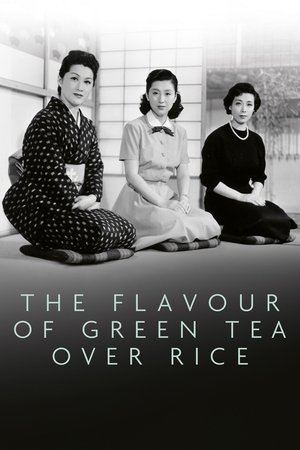
Plays Sadao Hirayama
The Flavor of Green Tea Over Rice
1952
Plays Kiichi Onodera
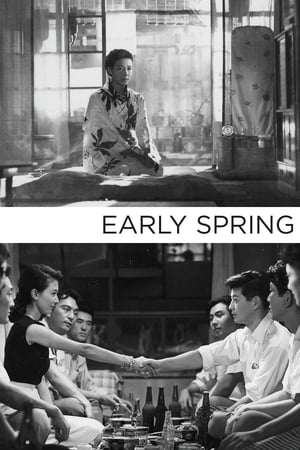
Early Spring
1956
Plays Prime Minister Baron Kantaro Suzuki
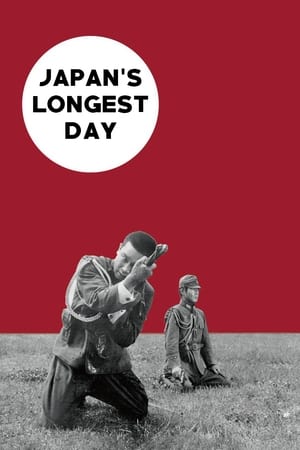
Japan's Longest Day
1967

Plays 御前样
Tora-san, My Uncle
1989
Plays Theatre Owner
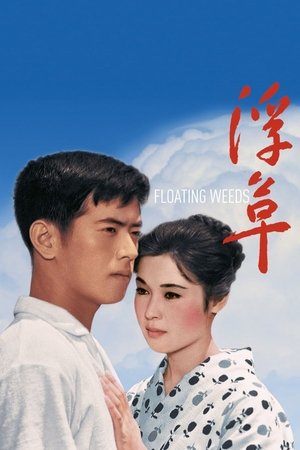
Floating Weeds
1959

Plays Shuhei Horikawa
There Was a Father
1942
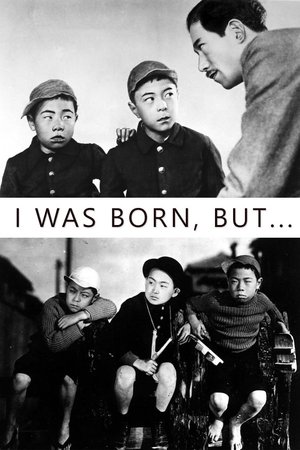
Plays Home movie projectionist
I Was Born, But...
1932

Plays 御前样
Tora-san's Love Call
1971

Plays Toku Nagai
And Then
1985

Plays Genzo, So's father
Where Spring Comes Late
1970
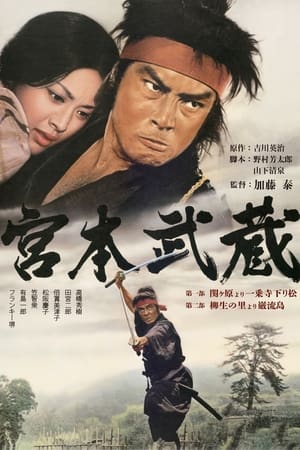
Plays Takuan
Miyamoto Musashi
1973

Plays Asai Mokichi
The Moon Has Risen
1955

Plays 御前样
Tora-san, the Good Samaritan
1971
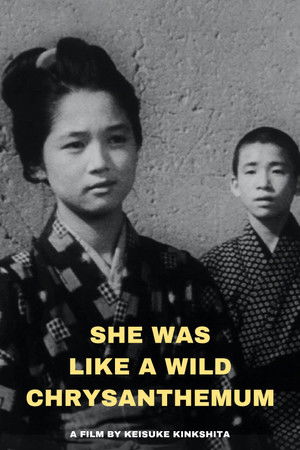
Plays Masao - Age 73
She Was Like a Wild Chrysanthemum
1955

Plays 御前样
Tora-san Loves an Artist
1973

Plays Saiji Akutsu
The Longest Tunnel
1982
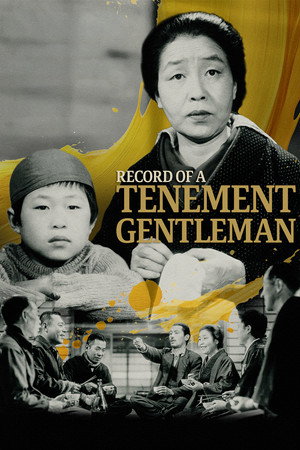
Plays Tashiro
Record of a Tenement Gentleman
1947

Plays Reporter
Woman of Tokyo
1933
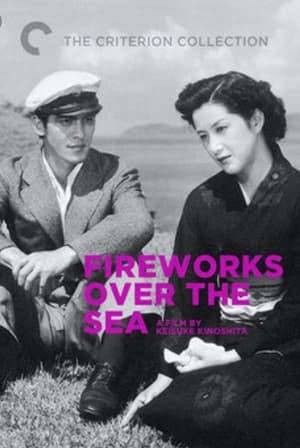
Plays Tarobei Kamiya
Fireworks Over the Sea
1951

Plays Bookstore Owner
The Human Bullet
1968

Plays Yasuhide Shima
Warm Current
1966

Plays Ebara
The Last War
1961

Plays Policeman
Dragnet Girl
1933

Plays 御前样
Tora-san's Cherished Mother
1969
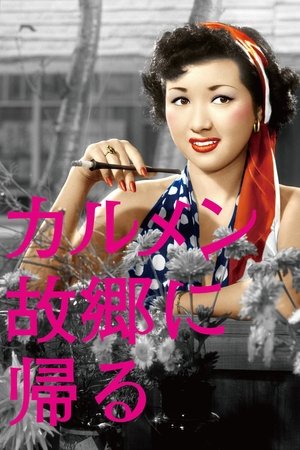
Plays Principal
Carmen Comes Home
1951

Plays Student
I Flunked, But...
1930

Plays Michio
Autumn Interlude
1954
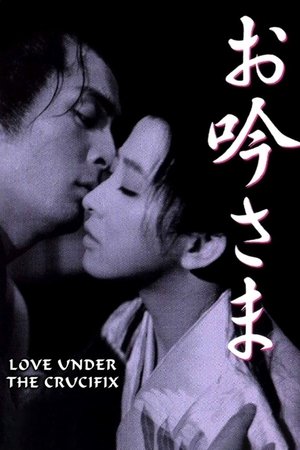
Plays Sokei Nambo
Love Under the Crucifix
1962
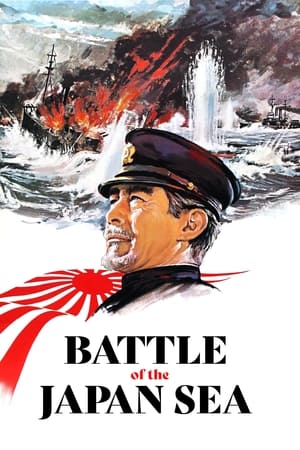
Plays General Maresuke Nogi
Battle of the Japan Sea
1969

Plays 御前样
Tora-san, the Go-Between
1985

Plays Man on Boat
Passing Fancy
1933
Plays Kinoshita
The Wandering Princess
1960
Plays Former Priest
A Taxing Woman's Return
1988
Plays Tadachika Munekata
The Munekata Sisters
1950

Latest Trailers
Watch Trailer
Tora-san Makes Excuses
Full Filmography
Tora-san Makes Excuses
御前样
1992
Film
Tora-san Confesses
御前样
1991
Film
Until the End of the World
Mr. Mori
1991
Film
Tora-san Takes a Vacation
御前样
1990
Film
Dreams
Old Man
1990
Film
Tora-san, My Uncle
御前样
1989
Film
Tora-san Goes to Vienna
御前样
1989
Film
Tora-san's Salad-Day Memorial
御前样
1988
Film
A Taxing Woman's Return
Former Priest
1988
Film
Photos

Frequently Asked Questions
Is Chishū Ryū still alive?
Chishū Ryū passed away on March 16, 1993 at age 88.
What are the most famous roles of Chishū Ryū?
Chishū Ryū is best known for roles in Tokyo Story, Dreams, Late Spring.
How many movies has Chishū Ryū been in?
Over a 65-year career (since 1928), Chishū Ryū has appeared in 158 movies and 3 TV shows.
What was Chishū Ryū's first movie?
The career of Chishū Ryū began with Dreams of Youth (1928).
What is Chishū Ryū's most recent movie or series?
Chishū Ryū's most recent release is Tora-san Makes Excuses, which premiered on December 26, 1992.
What TV shows has Chishū Ryū appeared in?
On television, Chishū Ryū has appeared in The Roads Men Travel, Haguregumo, Tamayura, A-Un.

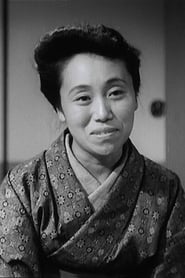
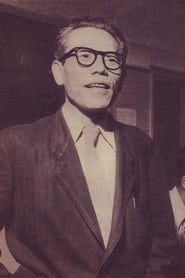

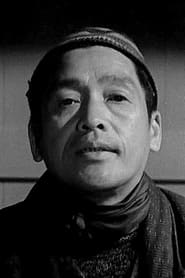

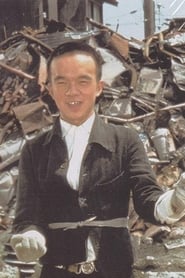
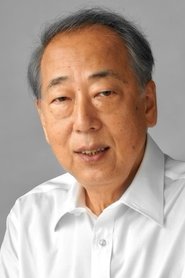


Chishū Ryū
1904-05-13 · Tachibana, Kumamoto Prefecture, Japan
Chishu Ryu (May 13, 1904 in Kumamoto, Japan – March 16, 1993 in Yokohama, Japan) was a famous Japanese film actor, a favourite of the director Yasujiro Ozu. From 1928 to 1992 he appeared in at least 155 films, including Ozu's Tokyo Story (1953) and Yoshitaro Nomura's Castle of Sand (1974). From 1969 until his death, Ryu became familiar to a new generation as the curmudgeonly but benevolent Buddhist priest in Yoji Yamada's Tora-san movie series (a role he parodied to great effect in a cameo in Juzo Itami's 1984 comedy, The Funeral).Chishû Ryû, licensed under CC-BY-SA, full list of contributors on Wikipedia.