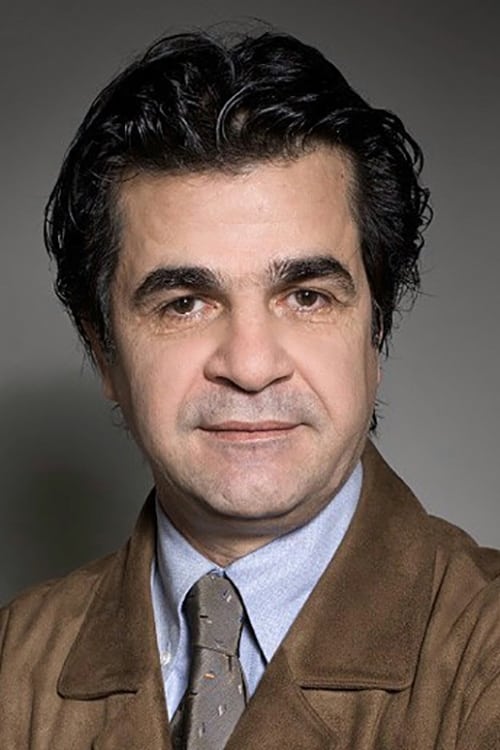



Jafar Panahi
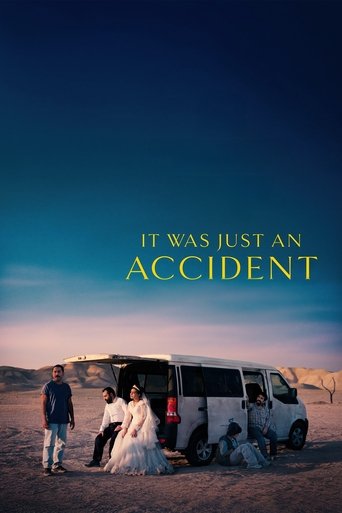
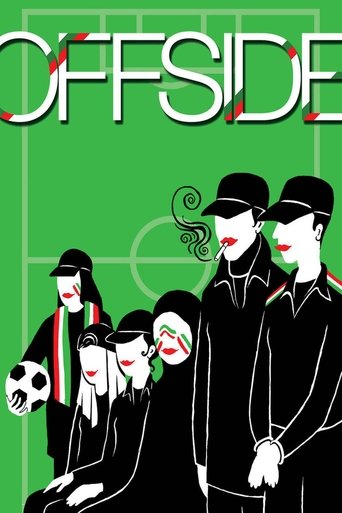
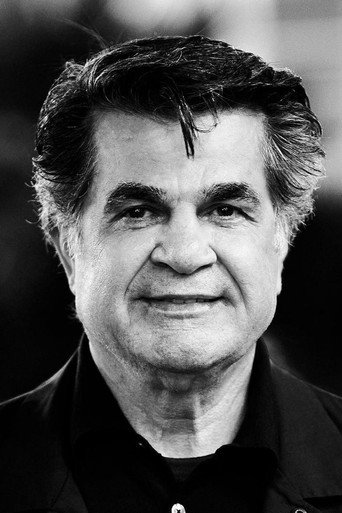
Jafar Panahi is an Iranian director born in Mianeh, celebrated for humane, often politically courageous films made despite repeated imprisonment and government bans on his filmmaking. The White Balloon, a gentle observational drama following a young girl's quest to buy a goldfish, established his talent for finding profound social meaning in small, everyday stories, while Offside, following young women who disguise themselves as men to attend a banned soccer match, showed his willingness to directly confront Iranian gender restrictions. Following a filmmaking ban and imprisonment for his political activities, Panahi continued working clandestinely, making This Is Not a Film largely within his own apartment and smuggling it out of Iran on a flash drive. No Bears and It Was Just an Accident, the latter winning the Palme d'Or after his eventual release from prison, continued his unflinching engagement with state repression and personal risk. Panahi's willingness to keep making films under direct government persecution has made him one of the most significant and courageous figures in contemporary world cinema.
Jafar Panahi
16 Directed
Jafar Panahi is an Iranian director born in Mianeh, celebrated for humane, often politically courageous films made despite repeated imprisonment and government bans on his filmmaking. The White Balloon, a gentle observational drama following a young girl's quest to buy a goldfish, established his talent for finding profound social meaning in small, everyday stories, while Offside, following young women who disguise themselves as men to attend a banned soccer match, showed his willingness to directly confront Iranian gender restrictions. Following a filmmaking ban and imprisonment for his political activities, Panahi continued working clandestinely, making This Is Not a Film largely within his own apartment and smuggling it out of Iran on a flash drive. No Bears and It Was Just an Accident, the latter winning the Palme d'Or after his eventual release from prison, continued his unflinching engagement with state repression and personal risk. Panahi's willingness to keep making films under direct government persecution has made him one of the most significant and courageous figures in contemporary world cinema.





Latest Trailers

Watch Trailer
And, Towards Happy Alleys
Full Filmography
Photos



Frequently Asked Questions
How old is Jafar Panahi and where are they from?
Jafar Panahi is 66 years old, born on July 11, 1960 in Mianeh, Iran.
What are the most famous roles of Jafar Panahi?
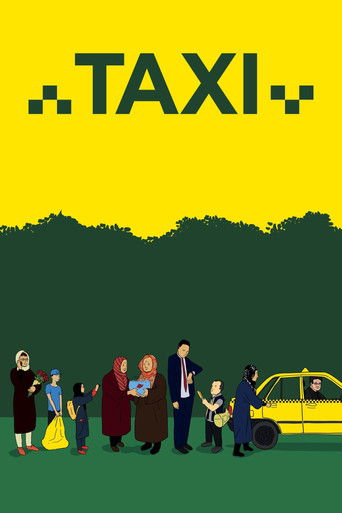
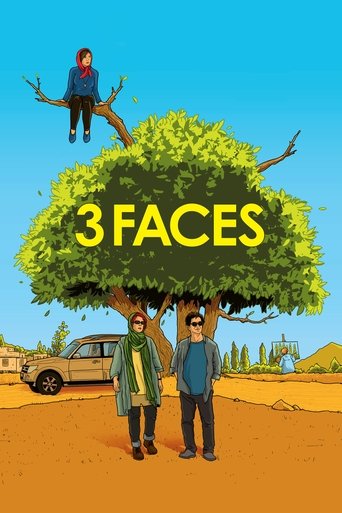
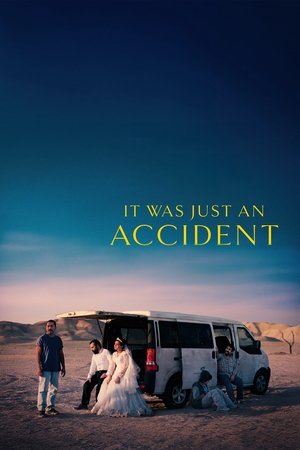
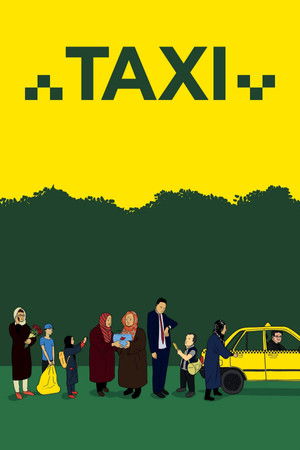
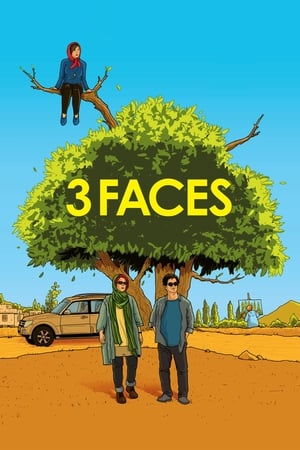
Jafar Panahi is best known for directing It Was Just an Accident, Taxi, 3 Faces.
How many movies has Jafar Panahi directed?
Over a 38-year career (since 1988), Jafar Panahi has directed or written 16 films and worked on 0 TV shows.
What was Jafar Panahi's first movie?
The career of Jafar Panahi began with Yarali bashlar (1988).
What is Jafar Panahi's most recent movie or series?
Jafar Panahi's most recent release is Where Are You, Jafar Panahi?, which premiered on April 29, 2026.




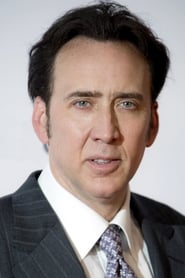






Jafar Panahi
1960-07-11 · Mianeh, Iran
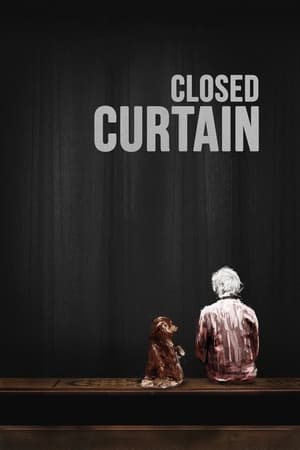
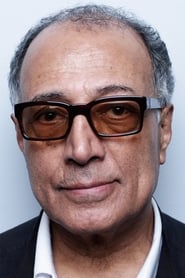
Jafar Panahi (born in July 11, 1960) is a representative of Iranian “New Wave.” He is one of the leaders of contemporary Iranian cinema. Panahi’s work, from his first attempts to discuss social issues to his later and braver discussions of taboo topics in Iran are a creative reflection on the nature of cinema and human society, and are imbued with humanity. In 2010, the court in Iran sentenced Jafar Panahi to six years in prison. In addition, according to the sentence, Panahi was banned from making films for 20 years, giving interviews to local and international media outlets, and leaving Iran. Three Faces was his fourth film (after This Is Not a Film, Closed Curtain, and Taxi) shot after his arrest. The director did not attend the premiere due to being banned from leaving Iran. Panahi is a student of Abbas Kiarostami, whose influence is especially clear in Three Faces, reminiscent of such acclaimed masterpieces as The Wind Will Carry Us and Taste of Cherry.