

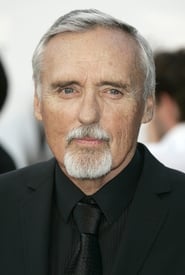


Dennis Hopper
Noto per
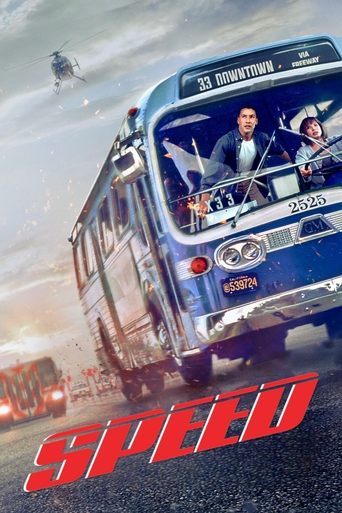

Icona ribelle del cinema statunitense, Dennis Hopper (Dodge City, Kansas, 1936-2010) ha incarnato come nessun altro l'idealismo perduto degli anni sessanta. Discepolo dell'Actors Studio, è apparso accanto a James Dean in 'Gioventù bruciata' e 'Il gigante', ma è stato come regista e protagonista di 'Easy Rider - Libertà e paura' (1969) che ha rivoluzionato Hollywood e ha firmato l'inno della controcultura. Dopo anni difficili, è riemerso con l'inquietante fotografo di 'Apocalypse Now' e, soprattutto, con il perturbante Frank Booth di 'Velluto blu' (1986) e l'allenatore alcolizzato di 'Colpo vincente', che gli è valso una candidatura all'Oscar. È stato inoltre il cattivo di 'Speed'. Hopper portava un'intensità pericolosa, un magnetismo tra il lucido e lo squilibrato.
Dennis Hopper
114 Film
41 Serie
Icona ribelle del cinema statunitense, Dennis Hopper (Dodge City, Kansas, 1936-2010) ha incarnato come nessun altro l'idealismo perduto degli anni sessanta. Discepolo dell'Actors Studio, è apparso accanto a James Dean in 'Gioventù bruciata' e 'Il gigante', ma è stato come regista e protagonista di 'Easy Rider - Libertà e paura' (1969) che ha rivoluzionato Hollywood e ha firmato l'inno della controcultura. Dopo anni difficili, è riemerso con l'inquietante fotografo di 'Apocalypse Now' e, soprattutto, con il perturbante Frank Booth di 'Velluto blu' (1986) e l'allenatore alcolizzato di 'Colpo vincente', che gli è valso una candidatura all'Oscar. È stato inoltre il cattivo di 'Speed'. Hopper portava un'intensità pericolosa, un magnetismo tra il lucido e lo squilibrato.
Film
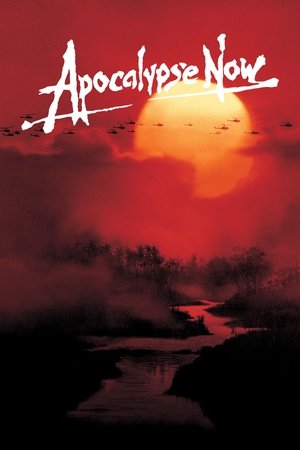
Interpreta Photojournalist
Apocalypse Now
1979
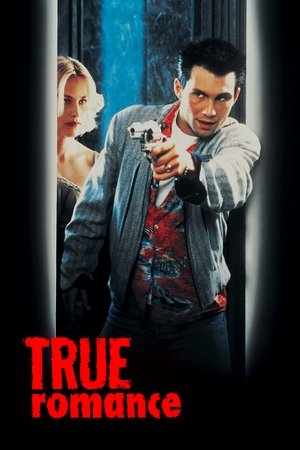
Interpreta Clifford Worley
Una vita al massimo
1993
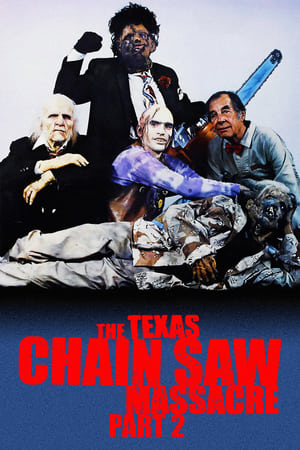
Interpreta Lieutenant 'Lefty' Enright
Non aprite quella porta - Parte 2
1986
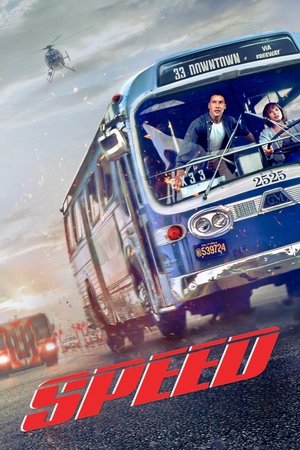
Interpreta Howard Payne
Speed
1994

Interpreta Deacon
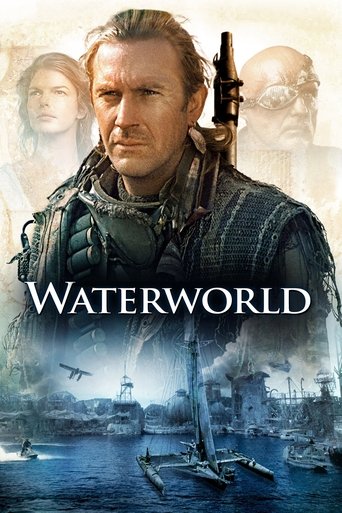
Waterworld
1995
Interpreta Kaufman
La terra dei morti viventi
2005

Interpreta Jordy Benedict
Il gigante
1956
Interpreta Frank Booth
Velluto blu
1986
Regista
Interpreta Billy
Easy Rider - Libertà e paura
1969
Interpreta Goon
Gioventù bruciata
1955
Interpreta Babalugats
Nick mano fredda
1967

Interpreta Matty Matello
L'infiltrato - 10th & Wolf
2006
Interpreta Father
Rusty il selvaggio
1983
Interpreta Tony (voce)
Alfa & Omega
2010
Interpreta "Moon"
Il Grinta
1969
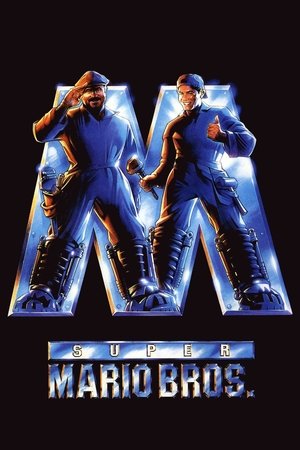
Interpreta King Koopa
Super Mario Bros. - Il Superfilm
1993
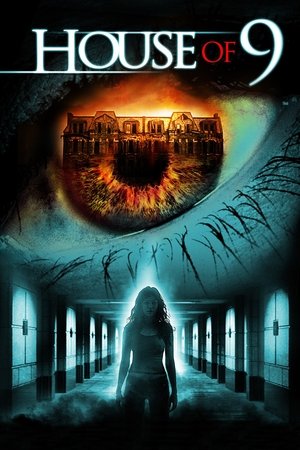
Interpreta Father Duffy
House of 9
2005
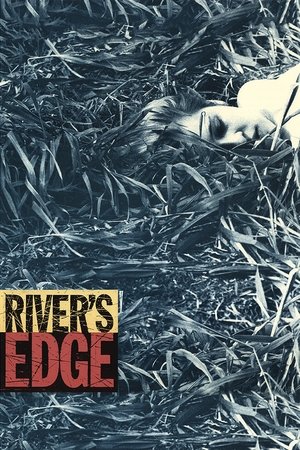
Interpreta Feck
I ragazzi del fiume
1986
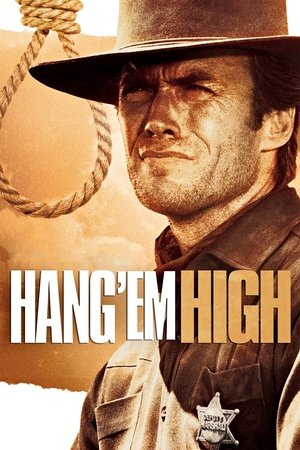
Interpreta Prophet
Impiccalo più in alto
1968

Regista
Interpreta Milo
Ore contate
1990
Interpreta George O'Hearn
Lezioni d'amore
2008
Interpreta Billy Clanton
Sfida all'O.K. Corral
1957
Interpreta Wilbur 'Shooter' Flatch
Colpo vincente
1986
Interpreta Dave Hastings
I 4 figli di Katie Elder
1965
Interpreta Dennis Hopper
Welcome to Hollywood
2000
Interpreta Ben
La vedova nera
1987
Interpreta Henry 'Hank' Pekurny
EDtv
1999
Interpreta El Niño
Il corvo - Preghiera maledetta
2005
Regista
Interpreta Doggie
Una bionda sotto scorta
1994
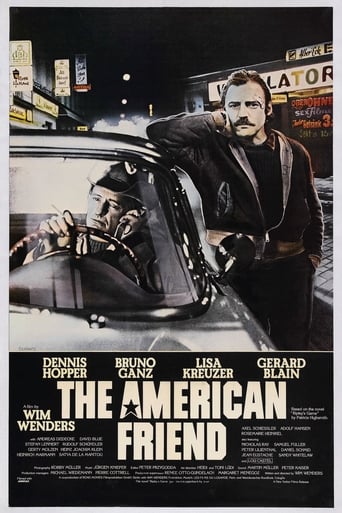
Interpreta Tom Ripley
L'amico americano
1977
Interpreta Bruno Bischofberger
Basquiat
1996
Interpreta Alex Swan
Ticker - Esplosione finale
2001
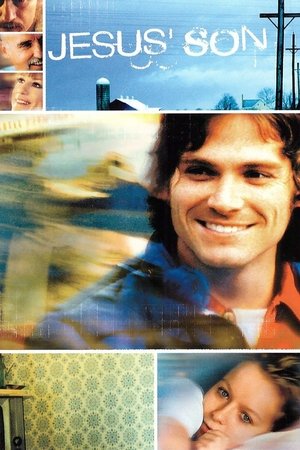
Interpreta Bill
Jesus' Son
2000
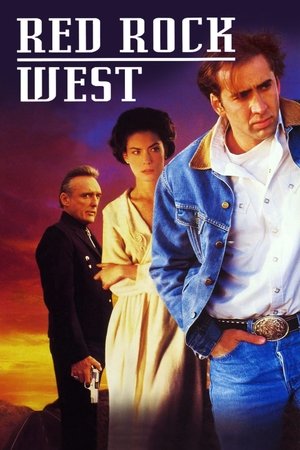
Interpreta Lyle from Dallas
Red Rock West
1993
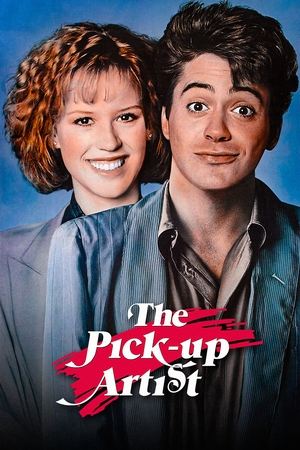
Interpreta Flash Jensen
Ehi... ci stai?
1987
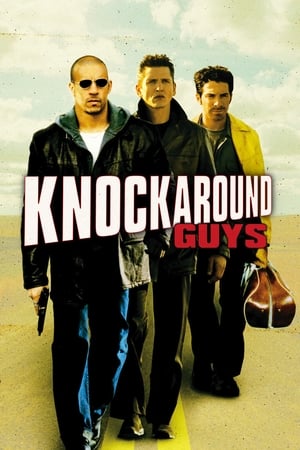
Interpreta Benny Chains
Compagnie pericolose
2001
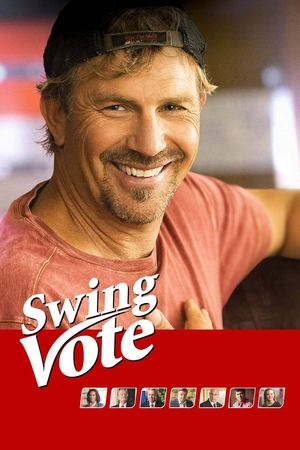
Interpreta Donald Greenleaf
Swing Vote - Un uomo da 300 milioni di voti
2008

Interpreta Richard Tremayne
Osterman Weekend
1983
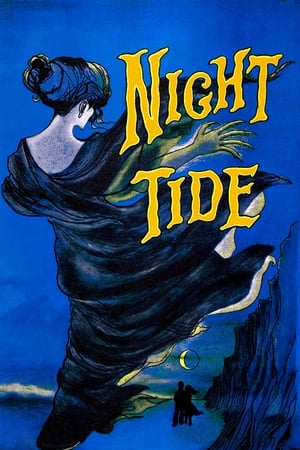
Interpreta Johnny Drake
Marea notturna
1961

Interpreta Rudolph 'Red' Diamond
Limite estremo
1993
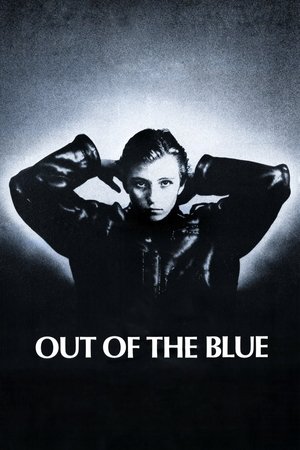
Regista
Interpreta Don
Snack Bar Blues
1981
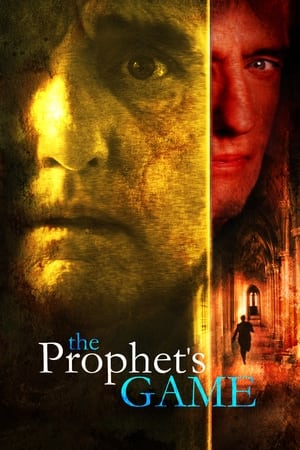
Interpreta Vincent Swan
Profezie di morte
2000
Interpreta Riccardo
Americano
2005
Interpreta Peter Crowford
Tycus
1999
Interpreta Eddie Zero
Hell Ride
2008
Interpreta Caesar
Lupo solitario
1991

Interpreta Bob Roberts
Ritorno dalla 4ª dimensione
1985
Interpreta Warden
Unspeakable
2003
Regista
Interpreta Kansas
Fuga da Hollywood
1971
Interpreta John Canyon
Space Truckers
1996
serie

Interpreta Ben Cendars
Crash
2008
Interpreta Eli McNulty
E-Ring
2005
Interpreta Smith
Flatland
2002
Interpreta Victor Drazen
24
2001
Interpreta James Richardson
L'incendiaria
2002
Interpreta General Tariq
Sansone e Dalila
1996
Interpreta Doc Holliday
Wild Times
1980

Interpreta Pelias
Giasone e gli Argonauti
2000
Interpreta Alfred Carter Jr.
La parola alla difesa
1961
Interpreta David Williams
Studio One
1948
Interpreta Vern Tippert
I racconti del West
1956
Interpreta Utah Kid
Cheyenne
1955
Interpreta Vernon Tippert
The Rifleman
1958
Interpreta Dad / King Normans (voce)
The Groovenians
2002
Interpreta Robert
Medic
1954
Interpreta Adrian
The Investigators
1961

Interpreta Ferno
Espionage
1963
Interpreta Cpl. Peter Devlin
The Lieutenant
1963
Interpreta Dennis Hopper
Entourage
2004

Interpreta Jon Castille
Las Vegas
2003
Interpreta Vinnie Winford
La città in controluce
1958

Interpreta Alan Landman
Petticoat Junction
1963
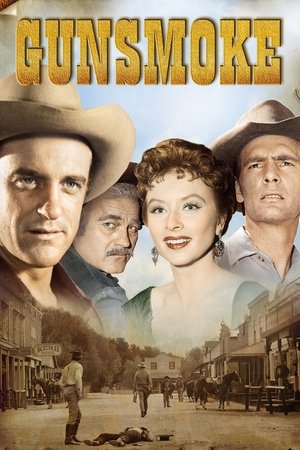
Interpreta Billy Kimbo
Gunsmoke
1955
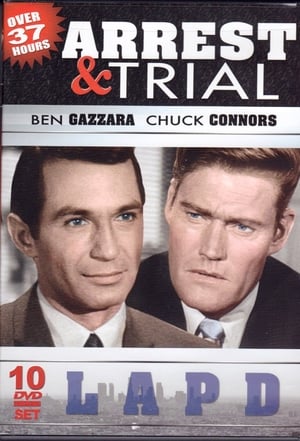
Interpreta Coley Mitchum
Arrest and Trial
1963
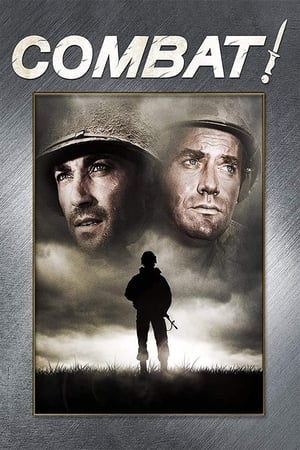
Interpreta Zack Fielder
Combat!
1962
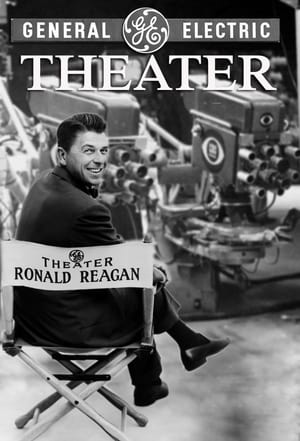
Interpreta Fred Judson
General Electric Theater
1953
Interpreta Peter Vollmer
Ai confini della realtà
1959
Interpreta Adam Spencer
The Millionaire
1955
Interpreta Jimmy Sweetwater
La grande vallata
1965

Interpreta Billy the Kid
Sugarfoot
1957
Ultimi Trailer

Guarda il trailer
Llyn Foulkes One Man Band
Filmografia completa
Blue Velvet: The Lost Footage
Frank Booth
2011
Film
Alfa & Omega
Tony (voce)
2010
Film
Palermo Shooting
Frank
2008
Film
Crash
Ben Cendars · 26 episodi
2008–
TV
Hell Ride
Eddie Zero
2008
Film
Lezioni d'amore
George O'Hearn
2008
Film
Swing Vote - Un uomo da 300 milioni di voti
Donald Greenleaf
2008
Film
Sleepwalking
Mr. Reedy
2008
Film
Memory
Max Lichtenstein
2006
Film
Foto


Domande Frequenti
Dennis Hopper è ancora vivo?
Dennis Hopper è morto/a il 29 maggio 2010 all'età di 74 anni.
Quali sono i ruoli più conosciuti di Dennis Hopper?
Dennis Hopper è noto soprattutto per Apocalypse Now, Speed, Waterworld.
In quanti film ha recitato Dennis Hopper?
In 55 anni di carriera (dal 1955), Dennis Hopper ha recitato in 113 film e 41 serie.
Qual è stato il primo film di Dennis Hopper?
La carriera di Dennis Hopper è iniziata con Gioventù bruciata (1955).
Qual è il film o la serie più recente di Dennis Hopper?
L'opera più recente di Dennis Hopper è Llyn Foulkes One Man Band, uscita il 20 giugno 2013.
In quali serie è apparso Dennis Hopper?
In televisione, Dennis Hopper è apparso/a in 24, Ai confini della realtà, King of the Hill, Entourage.
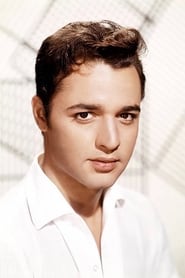



Dennis Hopper
1936-05-17 · Dodge City, Kansas, Stati Uniti
Dennis Lee Hopper (May 17, 1936 – May 29, 2010) was an American actor, filmmaker and artist. As a young man, Hopper became interested in acting and eventually became a student of the Actors' Studio. He made his first television appearance in 1954, and appeared in two films featuring James Dean, Rebel Without a Cause (1955) and Giant (1956). During the next 10 years, Hopper appeared frequently on television in guest roles, and by the end of the 1960s had played supporting roles in several films. He directed and starred in Easy Rider (1969), winning an award at the Cannes Film Festival and was nominated for an Academy Award for Best Original Screenplay as co-writer. "With its portrait of counterculture heroes raising their middle fingers to the uptight middle-class hypocrisies, Easy Rider became the cinematic symbol of the 1960s, a celluloid anthem to freedom, macho bravado and anti-establishment rebellion." Film critic Matthew Hays notes that "no other persona better signifies the lost idealism of the 1960s than that of Dennis Hopper." He was unable to build on his success for several years, until a featured role in Apocalypse Now (1979) brought him attention. He subsequently appeared in Rumble Fish (1983) and The Osterman Weekend (1983), and received critical recognition for his work in Blue Velvet and Hoosiers, with the latter film garnering him an Academy Award nomination for Best Supporting Actor. He directed Colors (1988) and played the villain in Speed (1994). Hopper's later work included a leading role in the television series Crash. Hopper's last performance was filmed just before his death: The Last Film Festival, slated for a 2011 release. Hopper was also a prolific and acclaimed photographer, a profession he began in the 1960s.