Conrad Veidt
Known for
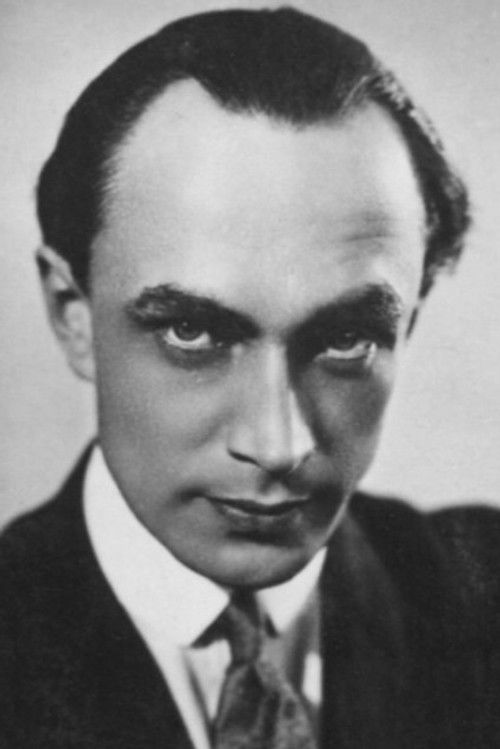
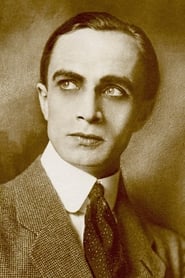
A commanding German actor born in Berlin, Conrad Veidt was one of the great faces of Weimar and international cinema. He starred as the sleepwalking Cesare in the Expressionist landmark 'The Cabinet of Dr. Caligari' (1920) and, having fled the Nazis, played the sinister Major Strasser in 'Casablanca' (1943), the year of his death. A pioneer of horror and villainy, he defined a haunted, angular screen presence. His artistry bridged silent German Expressionism and Hollywood, leaving an indelible mark on cinema history.
Conrad Veidt
89 Movies
A commanding German actor born in Berlin, Conrad Veidt was one of the great faces of Weimar and international cinema. He starred as the sleepwalking Cesare in the Expressionist landmark 'The Cabinet of Dr. Caligari' (1920) and, having fled the Nazis, played the sinister Major Strasser in 'Casablanca' (1943), the year of his death. A pioneer of horror and villainy, he defined a haunted, angular screen presence. His artistry bridged silent German Expressionism and Hollywood, leaving an indelible mark on cinema history.
Movies
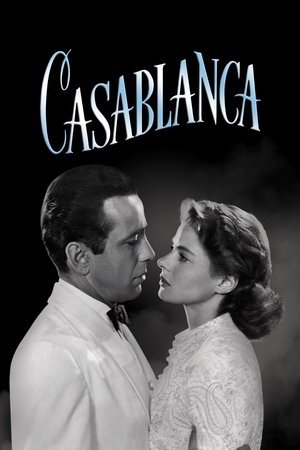
Plays Major Heinrich Strasser
Casablanca
1943
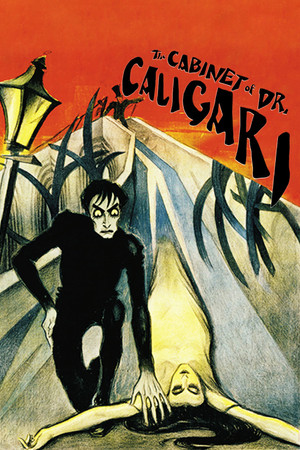
Plays Cesare
The Cabinet of Dr. Caligari
1920

Plays Jaffar
The Thief of Bagdad
1940
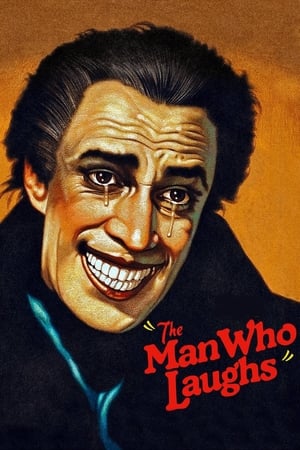
Plays Gwynplaine / Lord Clancharlie
The Man Who Laughs
1928
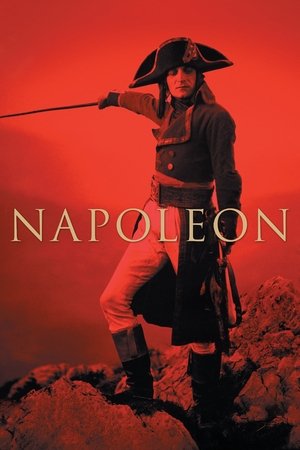
Plays Donatien Alphonse François, Marquis de Sade
Napoleon
1927
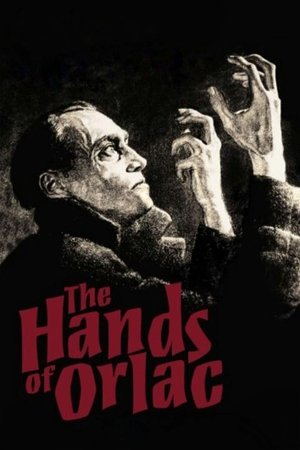
Plays Paul Orlac
The Hands of Orlac
1924

Plays Torsten Barring
A Woman's Face
1941

Plays Ayan, Majarajah of Eschnapur
The Indian Tomb, Part I: The Mission of the Yoghi
1921
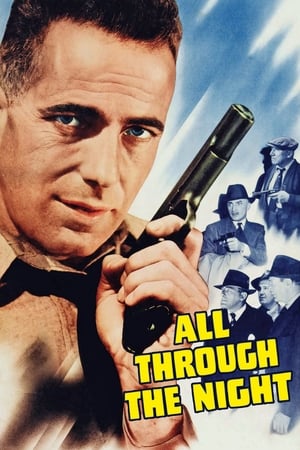
Plays Franz Ebbing
All Through the Night
1942
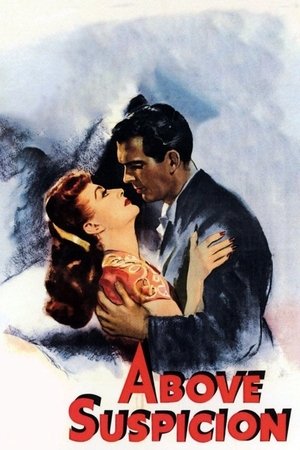
Plays Hassert Seidel
Above Suspicion
1943
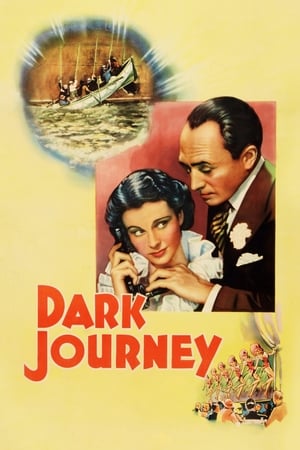
Plays Baron Karl Von Marwitz
Dark Journey
1937

Plays Der Tod / Various Other Roles
Eerie Tales
1919

Plays Mahmoud Baroudi
Bella Donna
1934
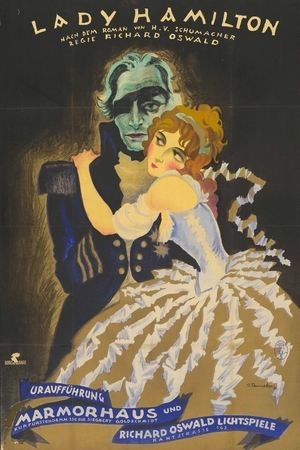
Plays Lord Nelson
Lady Hamilton
1921
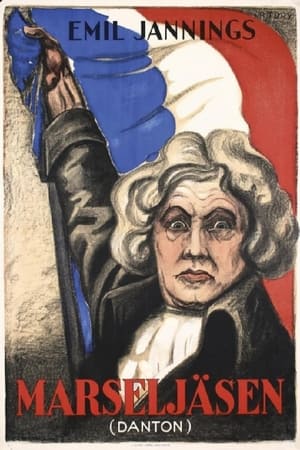
Plays Minor Role (rumored)
Danton
1921

Plays Commandant Oberaertz
I Was a Spy
1933
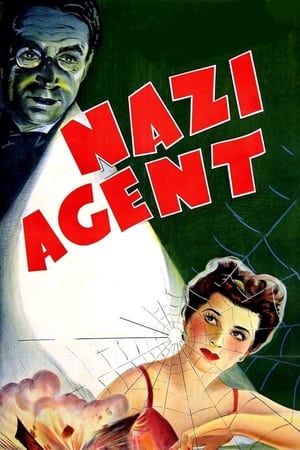
Plays Otto Becker / Baron Hugo von Detner
Nazi Agent
1942

Plays General Kurt von Kolb
Escape
1940
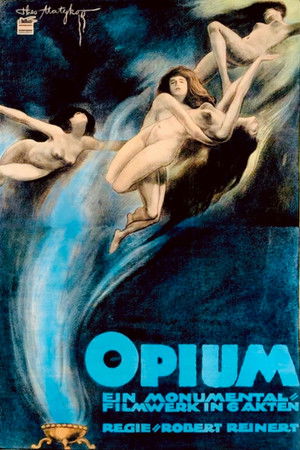
Plays Dr. Richard Armstrong Jr.
Opium
1919
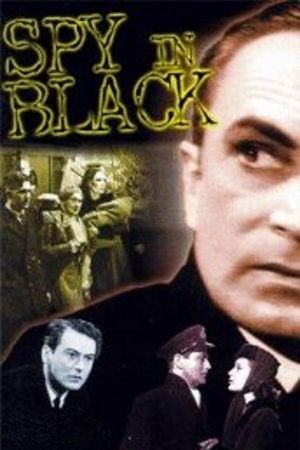
Plays Captain Ernst Hardt
The Spy in Black
1939
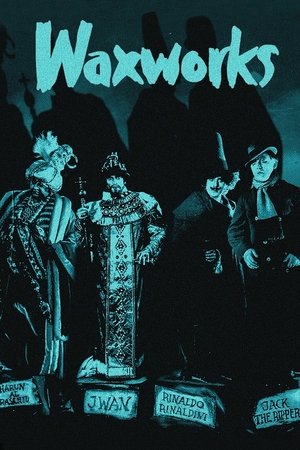
Plays Ivan the Terrible
Waxworks
1924
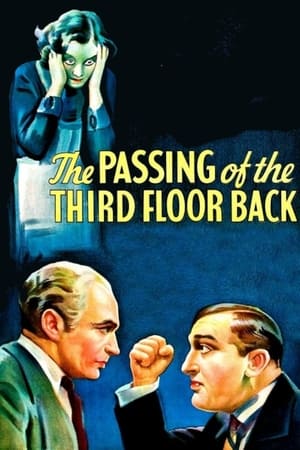
Plays The Stranger
The Passing of the Third Floor Back
1935
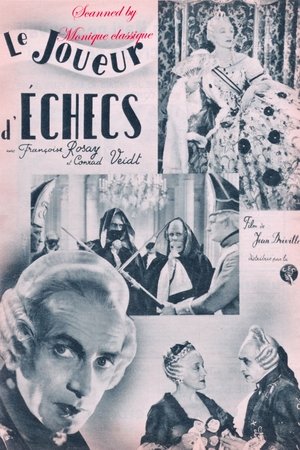
Plays Le baron de Kempelen
The Chess Player
1938
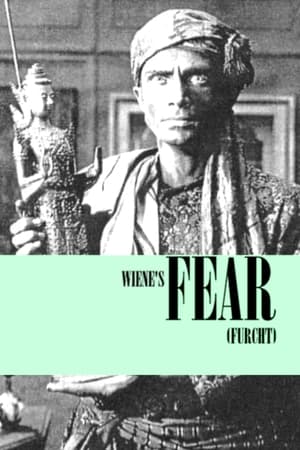
Plays Indian Priest
Fear
1917
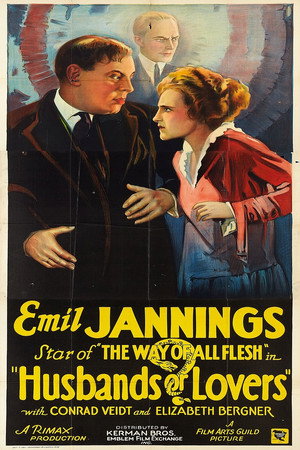
Plays Der Liebhaber, ein Dichter
Husbands or Lovers
1924
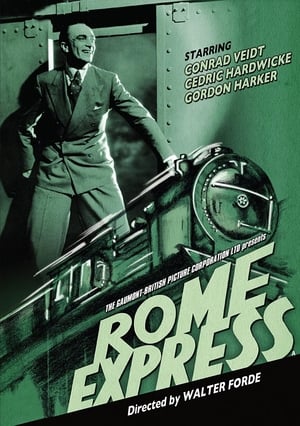
Plays Zurta
Rome Express
1932
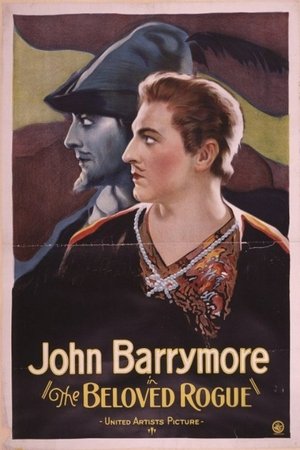
Plays King Louis XI
The Beloved Rogue
1927
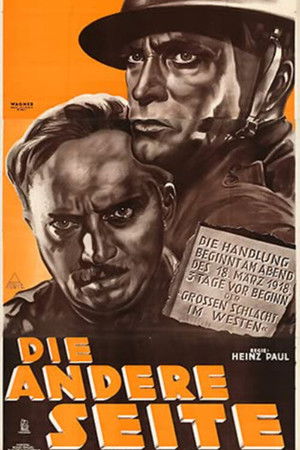
Plays Hauptmann Stanhope
The Other Side
1931
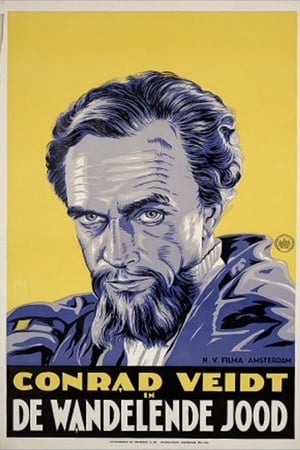
Plays Matathias / The Unknown Knight / Dr Matteos Battadios
The Wandering Jew
1933
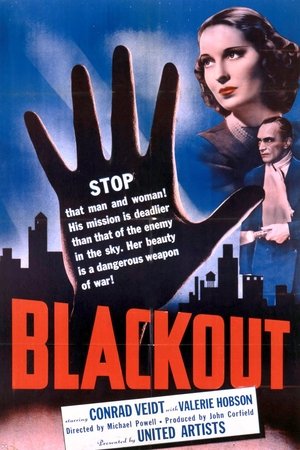
Plays Capt. Andersen
Contraband
1940
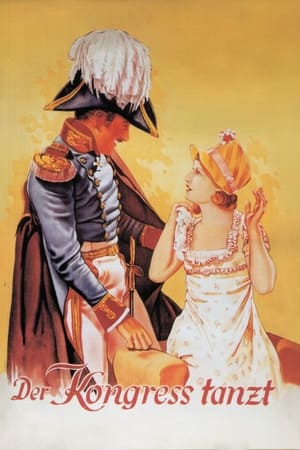
Plays Fürst Metternich
Congress Dances
1931
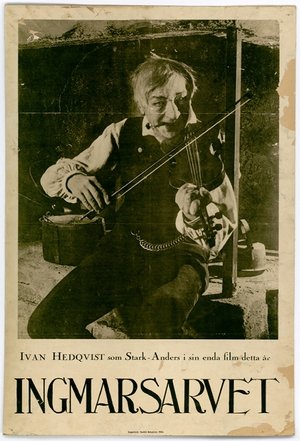
Plays Hellgum
The Ingmar Inheritance
1925
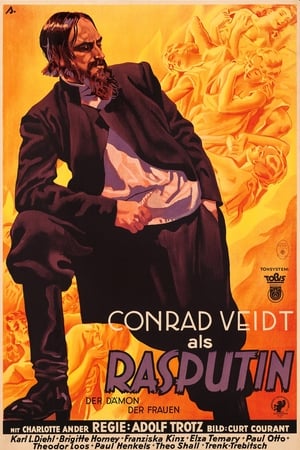
Plays Grigori Rasputin
Rasputin, Demon of the Women
1932
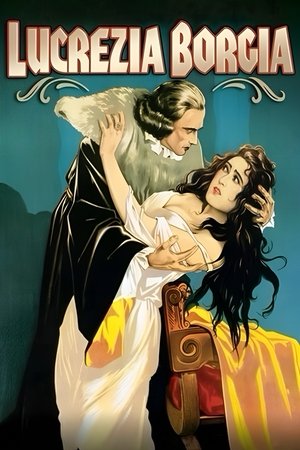
Plays Cesare Borgia
Lucrezia Borgia
1922

Plays Ayan, Majarajah of Eschnapur
The Indian Tomb, Part II: The Tiger of Eschnapur
1921
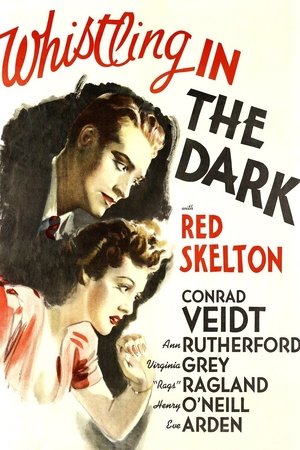
Plays Joseph Jones
Whistling in the Dark
1941
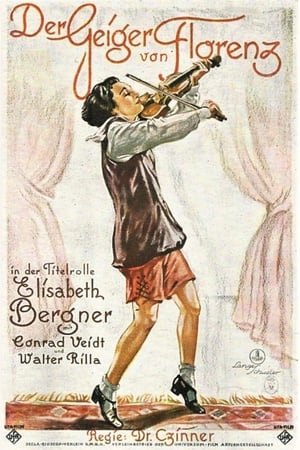
Plays Renées Vater
Impetuous Youth
1926
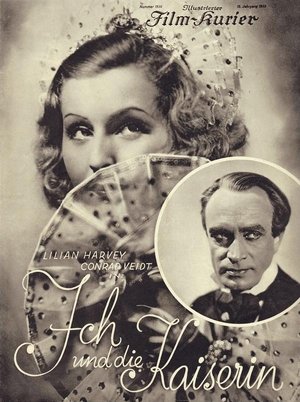
Plays Marquis de Pontignac
The Only Girl
1933

Plays Josef 'Jew Süss' Oppenheimer
Jew Süss
1934
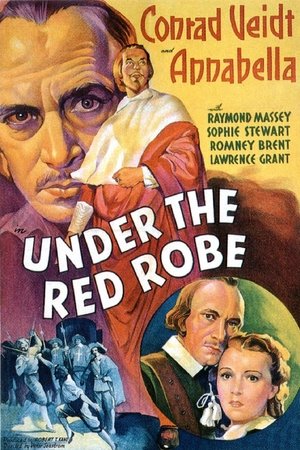
Plays Gil de Berault
Under the Red Robe
1937

Plays Stanislas Rosing
The Men in Her Life
1941
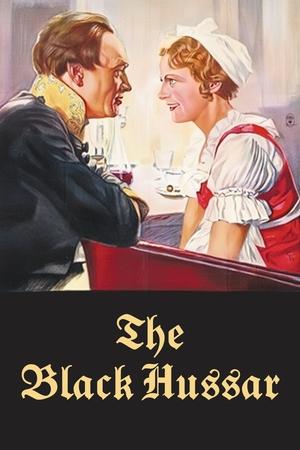
Plays Captain Hansgeorg von Hochberg
The Black Hussar
1932
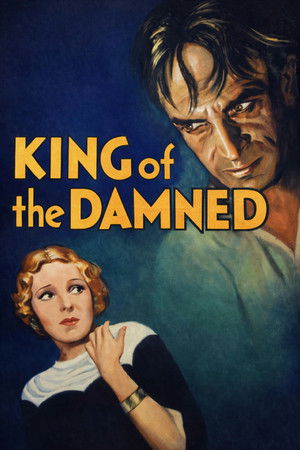
Plays Convict 83
King of the Damned
1935
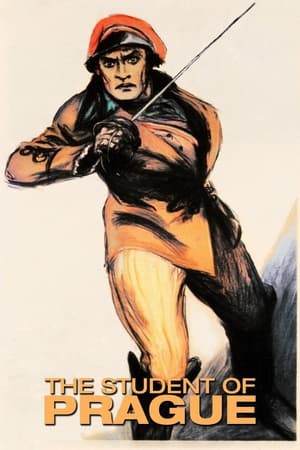
Plays Balduin, Student
The Student of Prague
1926
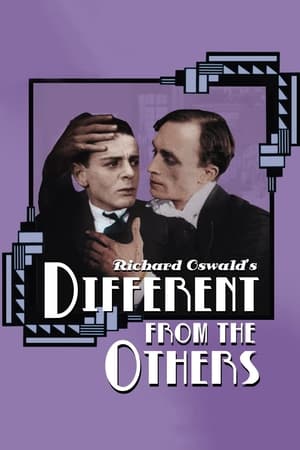
Plays Paul Körner
Different from the Others
1919
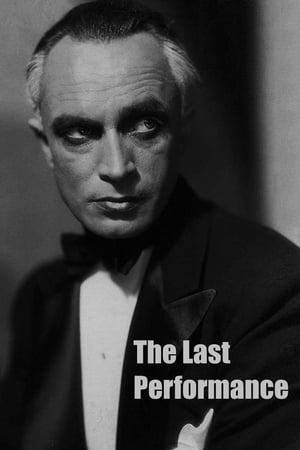
Plays Erik the Great
The Last Performance
1929
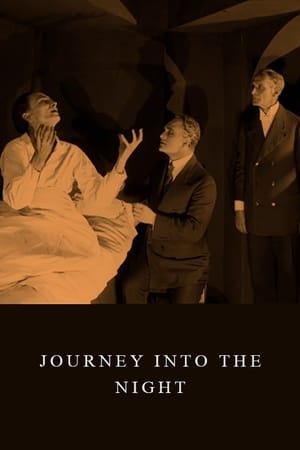
Plays Der Maler
Journey into the Night
1921
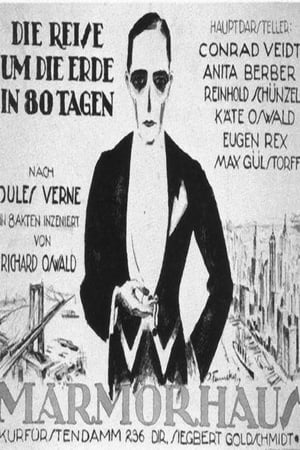
Plays Phineas Fogg
Around the World in 80 Days
1919
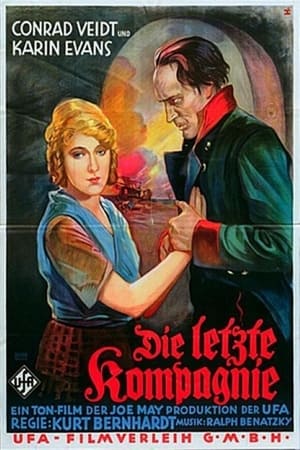
Plays Hauptmann Burk
The Last Company
1930
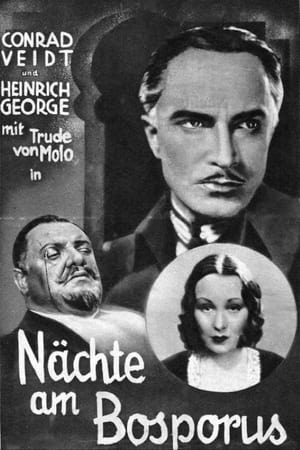
Plays Oberst Marquis de Sévigné
The Man Who Committed the Murder
1931
Latest Trailers

Watch Trailer
Casablanca
Full Filmography
Above Suspicion
Hassert Seidel
1943
Film
Casablanca
Major Heinrich Strasser
1943
Film
Nazi Agent
Otto Becker / Baron Hugo von Detner
1942
Film
All Through the Night
Franz Ebbing
1942
Film
The Men in Her Life
Stanislas Rosing
1941
Film
Whistling in the Dark
Joseph Jones
1941
Film
A Woman's Face
Torsten Barring
1941
Film
Escape
General Kurt von Kolb
1940
Film
Contraband
Capt. Andersen
1940
Film
Photos
Frequently Asked Questions
Is Conrad Veidt still alive?
Conrad Veidt passed away on April 3, 1943 at age 50.
What are the most famous roles of Conrad Veidt?
Conrad Veidt is best known for roles in Casablanca, The Cabinet of Dr. Caligari, The Thief of Bagdad.
How many movies has Conrad Veidt been in?
Over a 26-year career (since 1917), Conrad Veidt has appeared in 89 movies and 0 TV shows.
What was Conrad Veidt's first movie?
The career of Conrad Veidt began with Der Weg des Todes (1917).
What is Conrad Veidt's most recent movie or series?
Conrad Veidt's most recent release is Above Suspicion, which premiered on May 31, 1943.
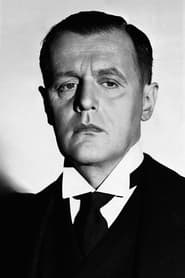
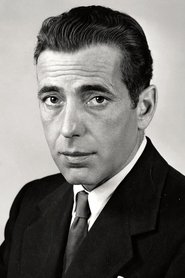

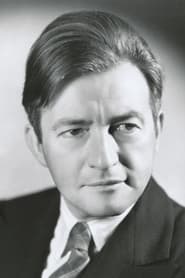


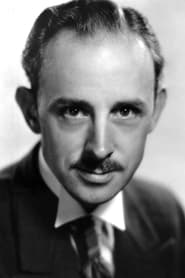
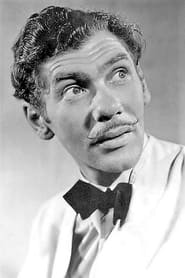
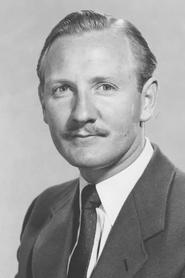

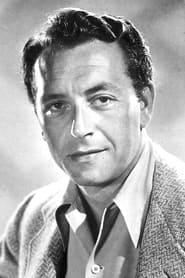
Conrad Veidt
1893-01-22 · Berlin, Germany
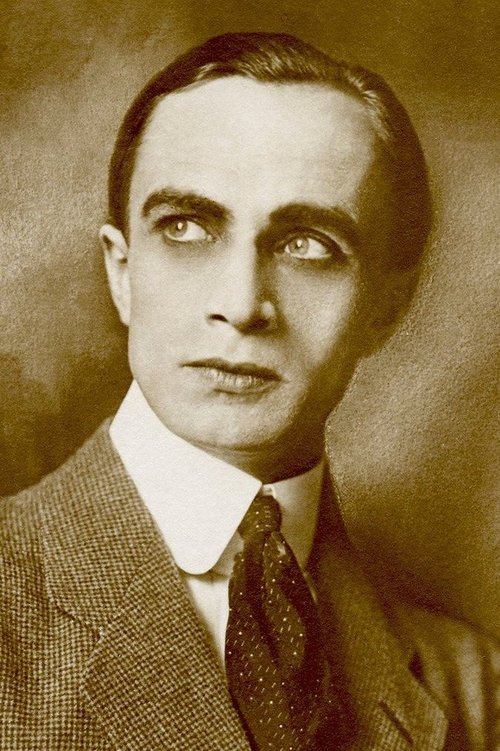
Hans Walter Conrad Veidt (22 January 1893 – 3 April 1943) was a German actor best remembered for his roles in films such as Different from the Others (1919), The Cabinet of Dr. Caligari (1920), and The Man Who Laughs (1928). After a successful career in German silent film, where he was one of the best-paid stars of Ufa, he was forced to leave Germany in 1933 with his new Jewish wife after the Nazis came to power. They settled in Britain, where he participated in a number of films, including The Thief of Bagdad (1940), before emigrating to the United States around 1941, which lead to him having a supporting role in Casablanca (1942).
From 1916 until his death, Veidt appeared in more than 100 films. One of his earliest performances was as the murderous somnambulist Cesare in director Robert Wiene's The Cabinet of Dr. Caligari (1920), a classic of German Expressionist cinema, with Werner Krauss and Lil Dagover. His starring role in The Man Who Laughs (1928), as a disfigured circus performer whose face is cut into a permanent grin, provided the (visual) inspiration for the Batman villain the Joker, created in 1940 by Bill Finger. Veidt also starred in other silent horror films such as The Hands of Orlac (1924), another film directed by Robert Wiene, The Student of Prague (1926) and Waxworks (1924) where he played Ivan the Terrible.
Veidt also appeared in Magnus Hirschfeld's film Anders als die Andern (Different from the Others, 1919), one of the first films to sympathetically portray homosexuality, although the characters in it do not end up happily. He had a leading role in Germany's first talking picture, Das Land ohne Frauen (Land Without Women, 1929).
He moved to Hollywood in the late 1920s and made a few films, but the advent of talking pictures and his difficulty with speaking English led him to return to Germany. During this period he lent his expertise to tutoring aspiring performers, one of whom was the later American character actress Lisa Golm.