
William Haade
Known for
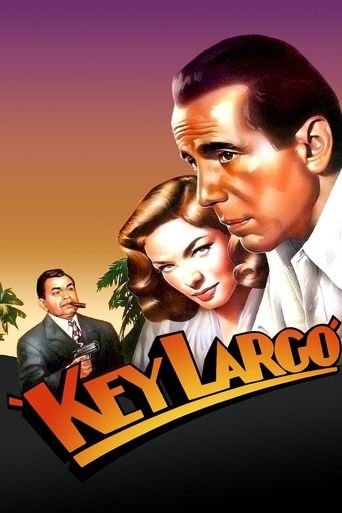

William Haade has spent most of a working life as an American actor with the kind of filmography that takes a while to scroll through. Ask a viewer to place William Haade and the answer usually comes back 'Key Largo'. 'Man Hunt' is the other credit that tends to come up. The oldest credits belong to a different era of the industry. Thriller has been the most frequent territory. Very few actors keep finding work for 89 years.
William Haade
151 Movies
5 Series
William Haade has spent most of a working life as an American actor with the kind of filmography that takes a while to scroll through. Ask a viewer to place William Haade and the answer usually comes back 'Key Largo'. 'Man Hunt' is the other credit that tends to come up. The oldest credits belong to a different era of the industry. Thriller has been the most frequent territory. Very few actors keep finding work for 89 years.
Movies
Plays Ralph Feeney
Key Largo
1948

Plays Iggy Broty
Exposed
1947

Plays Police Officer 'Tiny'
Valley of the Zombies
1946
Plays Dusky Clayton
Union Pacific
1939

Plays Skeptic
Brigham Young
1940

Plays Matthews
Affectionately Yours
1941

Plays Bill Redding
Lady Chaser
1946
Plays Armorer
North West Mounted Police
1940

Plays Ace Hanlon
Phantom of the Plains
1945

Plays Duke Weaver
Lulu Belle
1948

Plays Dialogue Cop Arresting the Boys
Triple Trouble
1950
Plays Policeman
Millionaire Playboy
1940

Plays Spike
Down to Earth
1947

Plays Hardrock Haggerty
Carson City
1952

Plays Lafe Douque
Scene of the Crime
1949
Plays Guy Tabarie
If I Were King
1938

Plays Botulian's Driver
Bulldog Drummond's Peril
1938

Plays Henchman Cully Bronson
Heart of the Golden West
1942

Plays Dan Sedley
Sheriff of Las Vegas
1944
Plays Condor
The Sea Hornet
1951
Plays Hotel Doorman
The Gracie Allen Murder Case
1939

Plays Marcus
Big Town After Dark
1947

Plays Poker Player
Four Faces West
1948

Plays Sergeant Thorpe
You're in the Army Now
1941

Plays McNeil
Geronimo
1939

Plays Gerald Messenger
A Scream in the Dark
1943

Plays Shrank
Invisible Stripes
1939

Plays Henchman Rocky Rockford
Last of the Wild Horses
1948
Plays Prison Guard
And One Was Beautiful
1940

Plays Guirk, Man in Fistfight
Dr. Kildare's Crisis
1940

Plays Soldier
Lillian Russell
1940

Plays Relief Cop
A Gentleman After Dark
1942
Plays First American
The Man Who Wouldn't Talk
1940

Plays Guard
Deep Valley
1947
Plays Moore
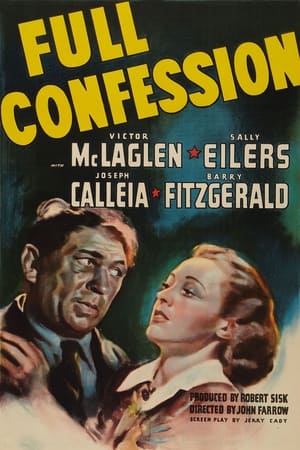
Full Confession
1939

Plays Scar
Bullet Code
1940
Plays Morrow's Henchman
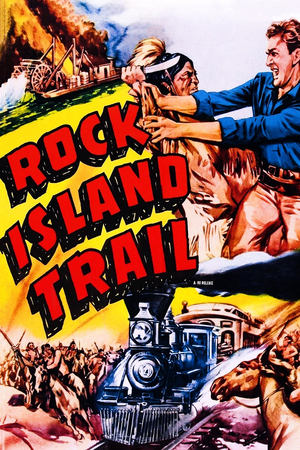
Rock Island Trail
1950

Plays Johnny (Miner)
Pittsburgh
1942

Plays Slug
He Couldn't Say No
1938

Plays A Stoker
Rulers of the Sea
1939
Plays Bill Watson
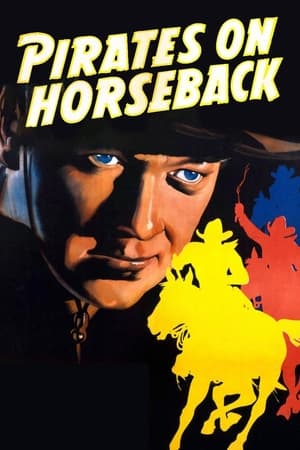
Pirates on Horseback
1941

Plays Big Bill Harmon
Days of Old Cheyenne
1943

Plays Emmet White
Missing Witnesses
1937

Plays Tommy Madison - the Champ
Hollywood Stadium Mystery
1938

Plays Van
The Penalty
1941

Plays Pete
Sing, You Sinners
1938

Plays Rocky Snyder
Kid Nightingale
1939

Plays Bill Devlin
Three Desperate Men
1951
Plays Davis
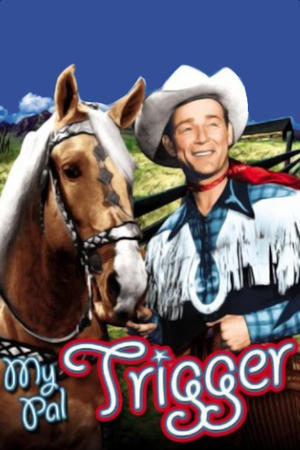
My Pal Trigger
1946

Plays Chicago
I Won't Play
1944



Latest Trailers

Watch Trailer
The Great Diamond Robbery
Full Filmography
She Devil
Detective (uncredited)
1957
Film
Hey, Jeannie!
Umpire · 1 episode
1956–
TV
Crossroads
Fisher · 1 episode
1955–
TV
Alfred Hitchcock Presents
Stagehand · 1 episode
1955–
TV
The Millionaire
Tim · 1 episode
1955–
TV
Untamed Heiress
Friend
1954
Film
The Great Diamond Robbery
Mike, the Policeman (uncredited)
1954
Film
Red River Shore
Henchman Link
1953
Film
Secret of Outlaw Flats
Tony, Stagecoach Guard
1953
Film
Photos
Frequently Asked Questions
Is William Haade still alive?
William Haade passed away on November 15, 1966 at age 63.
What are the most famous roles of William Haade?
William Haade is best known for roles in The Grapes of Wrath, Key Largo, The Asphalt Jungle.
How many movies has William Haade been in?
Over a 29-year career (since 1937), William Haade has appeared in 151 movies and 5 TV shows.
What was William Haade's first movie?
The career of William Haade began with Kid Galahad (1937).
What is William Haade's most recent movie or series?
William Haade's most recent release is The Tall Stranger, which premiered on November 17, 1957.
What TV shows has William Haade appeared in?
On television, William Haade has appeared in Alfred Hitchcock Presents, The Adventures of Ozzie and Harriet, Hopalong Cassidy, Sergeant Preston of the Yukon.
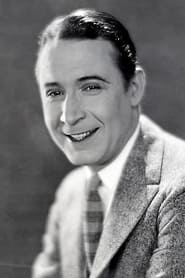
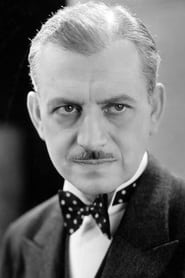

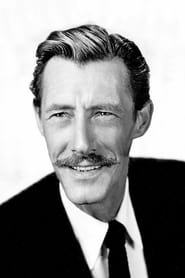

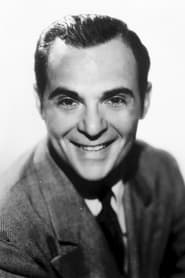
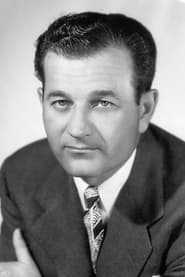

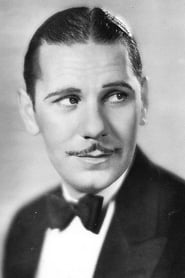

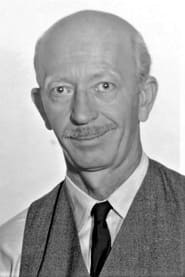
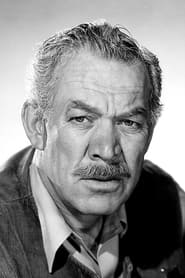
William Haade
1903-03-02 · Manhattan, New York City, New York, USA
Muscular American character actor of Dutch extraction. Tended to play bullies and assorted western heavies. Best remembered as the alcoholic prizefighter (managed by Humphrey Bogart) who is punched out by Wayne Morris in the finale to 'Kid Galahad' (1937).