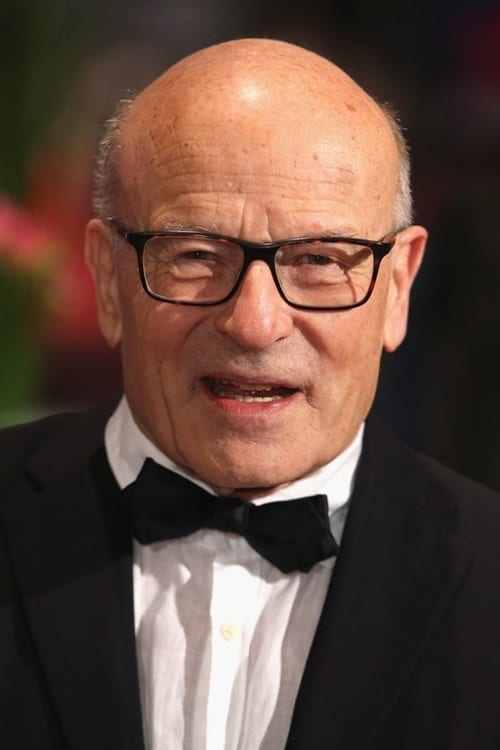

Volker Schlöndorff
Known for
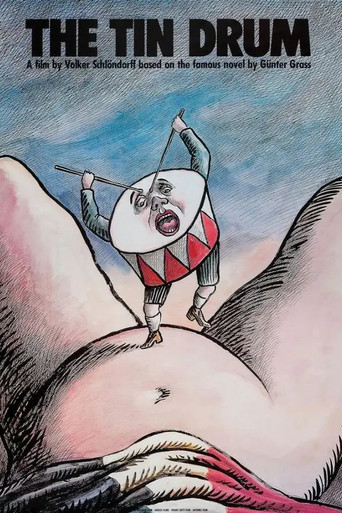
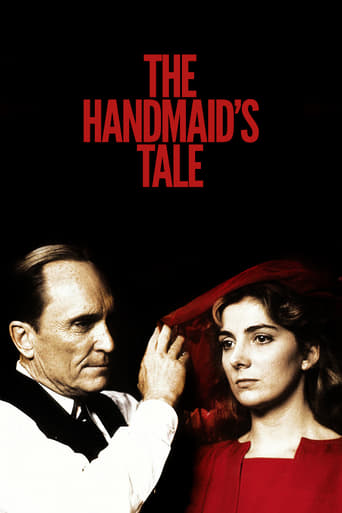
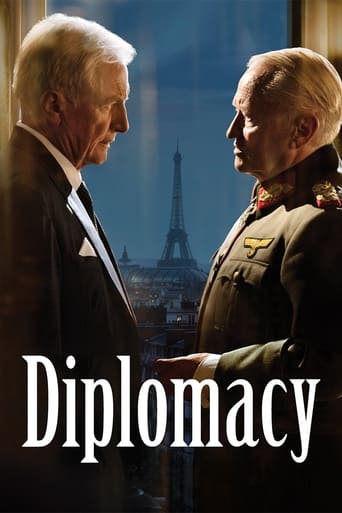
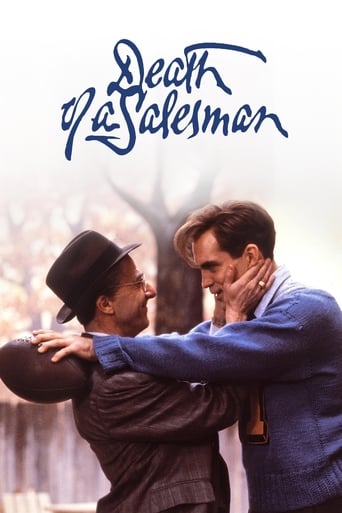
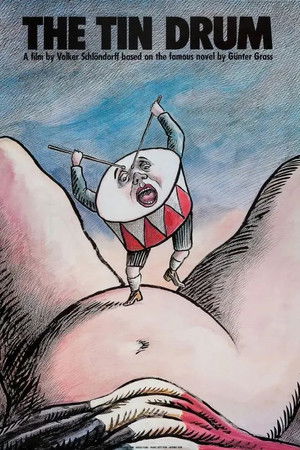
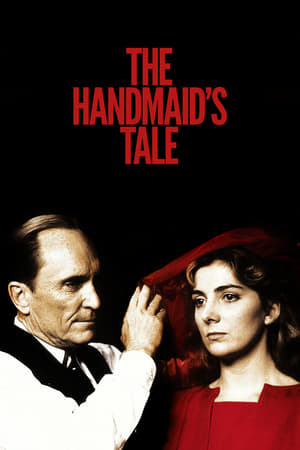
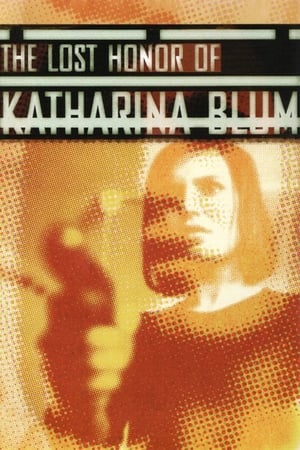
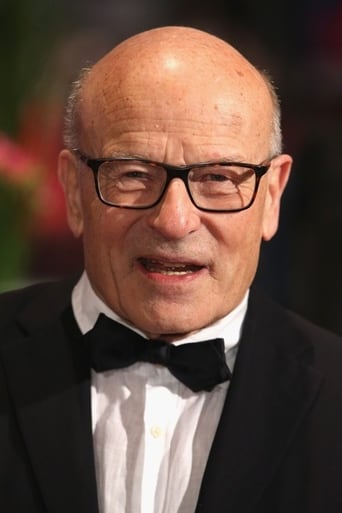
Volker Schlöndorff is a German director born in Wiesbaden, one of the leading figures of the New German Cinema movement of the 1970s. The Tin Drum, adapting Günter Grass's novel of a boy who refuses to grow amid the rise of Nazism, won both the Palme d'Or and the Academy Award for Best Foreign Language Film, becoming the defining international success of the movement. The Lost Honor of Katharina Blum, co-directed with Margarethe von Trotta, examined media persecution and state surveillance with pointed contemporary relevance. Death of a Salesman and The Handmaid's Tale, both English-language literary adaptations, showed his range into American and international production. Schlöndorff's ability to combine formally ambitious German art cinema with internationally accessible literary adaptation made him one of the most commercially successful directors to emerge from the New German Cinema movement.
Volker Schlöndorff
29 Directed
Volker Schlöndorff is a German director born in Wiesbaden, one of the leading figures of the New German Cinema movement of the 1970s. The Tin Drum, adapting Günter Grass's novel of a boy who refuses to grow amid the rise of Nazism, won both the Palme d'Or and the Academy Award for Best Foreign Language Film, becoming the defining international success of the movement. The Lost Honor of Katharina Blum, co-directed with Margarethe von Trotta, examined media persecution and state surveillance with pointed contemporary relevance. Death of a Salesman and The Handmaid's Tale, both English-language literary adaptations, showed his range into American and international production. Schlöndorff's ability to combine formally ambitious German art cinema with internationally accessible literary adaptation made him one of the most commercially successful directors to emerge from the New German Cinema movement.
Movies
Director
The Tin Drum
1979
Director
The Handmaid's Tale
1990
Director
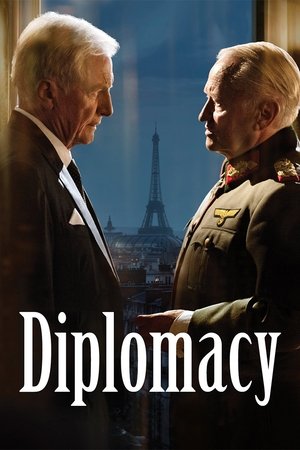
Diplomacy
2014
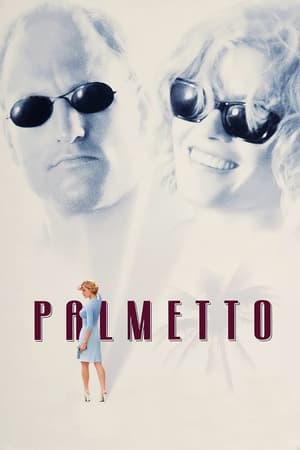
Director
Palmetto
1998
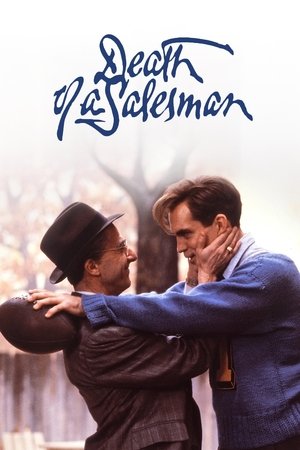
Director
Death of a Salesman
1985
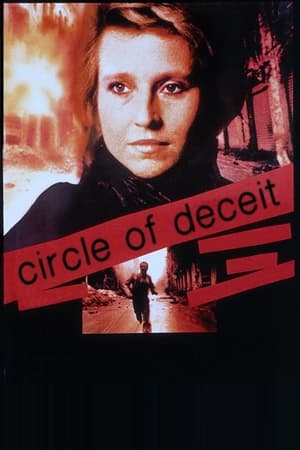
Director
Circle of Deceit
1981

Director
Visitation
2026

Director
Swann in Love
1984

Director
Coup de Grâce
1976
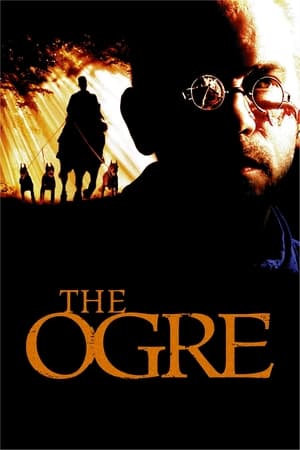
Director
The Ogre
1996
Director
The Lost Honor of Katharina Blum
1975

Director
Michael Kohlhaas - The Rebel
1969

Director
A Free Woman
1972
Director
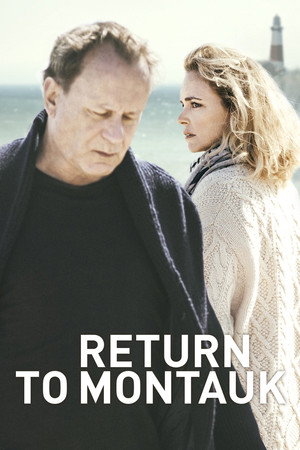
Return to Montauk
2017
Director
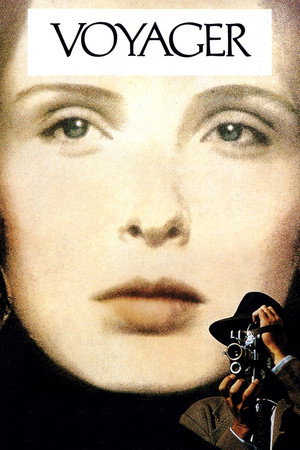
Voyager
1991

Director
Degree of Murder
1967
Director
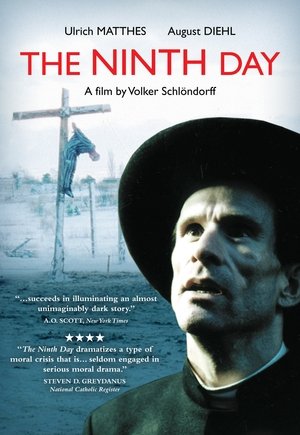
The Ninth Day
2004

Director
Young Törless
1966
Director
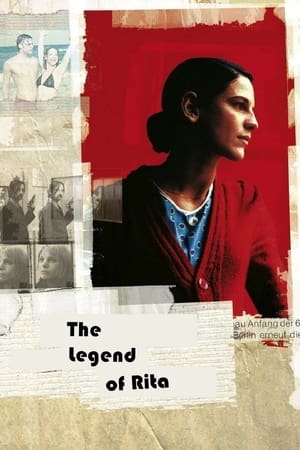
The Legend of Rita
2000

Director
Ulzhan
2007

Director
Calm at Sea
2012

Director
Ten Minutes Older: The Cello
2002

Director
Baal
1970

Director
The Nameless Day
2017

Director
The Morals of Ruth Halbfass
1972

Director
The Sudden Wealth of the Poor People of Kombach
1971

Director
Strike
2007
Latest Trailers

Watch Trailer
Pan Olbrychski
Full Filmography
Visitation
Director
2026
Film
The Nameless Day
Director
2017
Film
Return to Montauk
Director
2017
Film
Diplomacy
Director
2014
Film
Calm at Sea
Director
2012
Film
Ulzhan
Director
2007
Film
Strike
Director
2007
Film
Enigma – Eine uneingestandene Liebe
Director
2005
Film
The Ninth Day
Director
2004
Film
Photos

Frequently Asked Questions
How old is Volker Schlöndorff and where are they from?
Volker Schlöndorff is 87 years old, born on March 31, 1939 in Wiesbaden, Hesse, Germany.
What are the most famous roles of Volker Schlöndorff?
Volker Schlöndorff is best known for directing The Tin Drum, The Handmaid's Tale, Diplomacy.
How many movies has Volker Schlöndorff directed?
Over a 66-year career (since 1960), Volker Schlöndorff has directed or written 29 films and worked on 0 TV shows.
What was Volker Schlöndorff's first movie?
The career of Volker Schlöndorff began with Afrika ().
What is Volker Schlöndorff's most recent movie or series?
Volker Schlöndorff's most recent release is Visitation, which premiered on October 15, 2026.
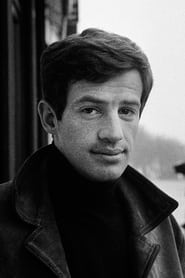
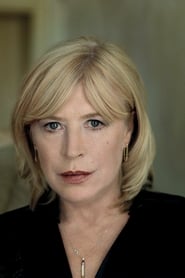

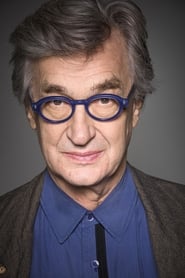


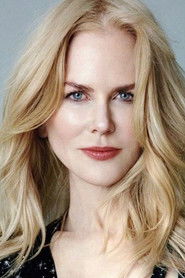
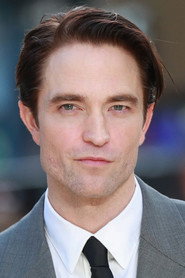


Volker Schlöndorff
1939-03-31 · Wiesbaden, Hesse, Germany
Volker Schlöndorff is a Berlin-based German filmmaker. He won an Oscar as well as the Palme d'or at the 1979 Cannes Film Festival for The Tin Drum (1979), the film version of the novel by Nobel Prize-winning author Günter Grass. In 1991, he was the Head of the Jury at the 41st Berlin International Film Festival. Schlöndorff has adapted many literary works for his movies, including some critically well-received US productions, but he is also engaged in post-war German politics. He served as the chief executive for the UFA studio in Babelsberg. Schlöndorff also teaches film and literature at the European Graduate School in Saas-Fee, Switzerland, where he conducts an Intensive Summer Seminar. He was married to fellow film director Margarethe von Trotta from 1971 to 1991. He is currently married to Angelika Schlöndorff, and the couple has one daughter.