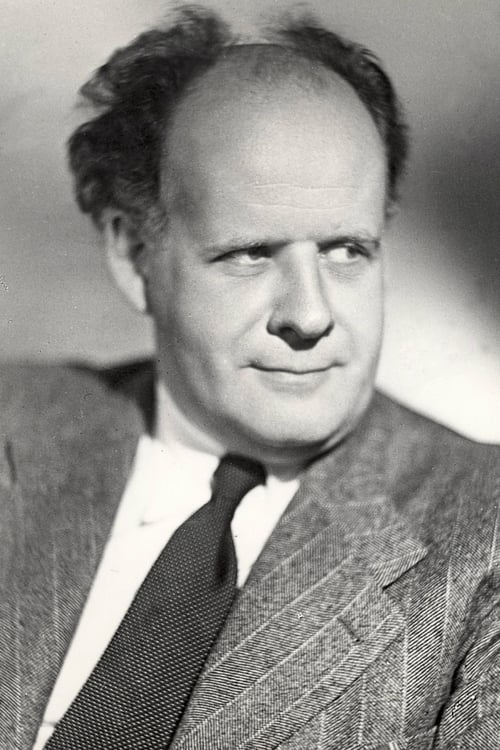


Sergei Eisenstein
Known for
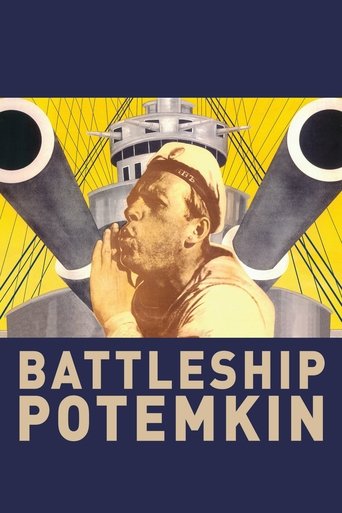

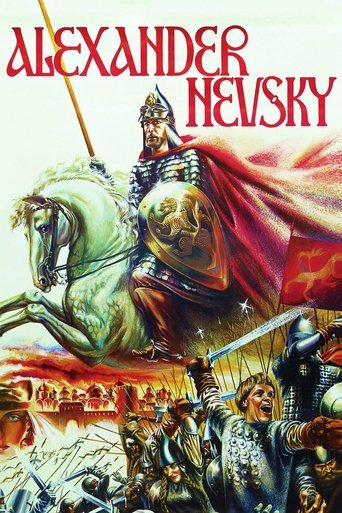
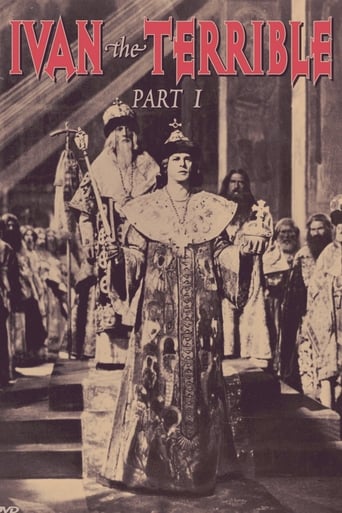
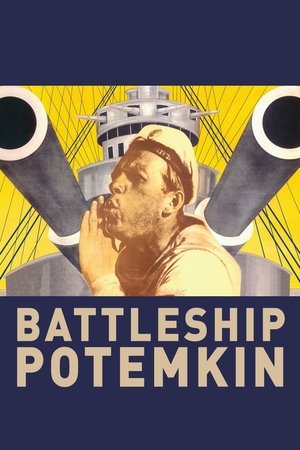
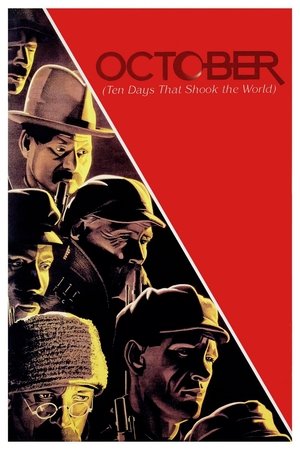
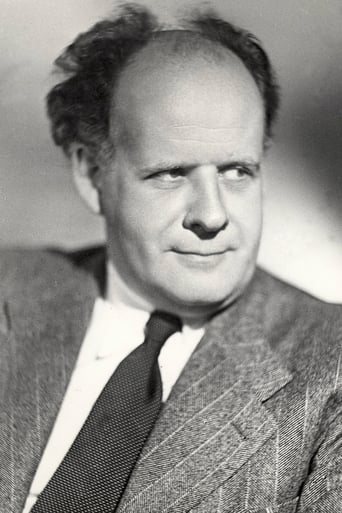
Sergei Eisenstein was a Soviet director born in Riga, the theorist and filmmaker most responsible for developing montage as a fundamental tool of cinematic storytelling. Battleship Potemkin, and in particular its Odessa Steps sequence, demonstrated how the rhythmic collision of shots could generate emotion and political meaning beyond what any single image could convey, making it one of the most studied sequences in film history. October and Strike extended these theories into large-scale historical reconstruction, while his final works, the two-part Ivan the Terrible, turned toward operatic performance and stylized production design under close Stalinist scrutiny. Eisenstein's writings on montage remain foundational texts in film schools worldwide, placing him alongside Griffith as one of the two most theoretically influential directors of the silent era.
Sergei Eisenstein
10 Directed
Sergei Eisenstein was a Soviet director born in Riga, the theorist and filmmaker most responsible for developing montage as a fundamental tool of cinematic storytelling. Battleship Potemkin, and in particular its Odessa Steps sequence, demonstrated how the rhythmic collision of shots could generate emotion and political meaning beyond what any single image could convey, making it one of the most studied sequences in film history. October and Strike extended these theories into large-scale historical reconstruction, while his final works, the two-part Ivan the Terrible, turned toward operatic performance and stylized production design under close Stalinist scrutiny. Eisenstein's writings on montage remain foundational texts in film schools worldwide, placing him alongside Griffith as one of the two most theoretically influential directors of the silent era.
Movies
Director
Battleship Potemkin
1925
Director
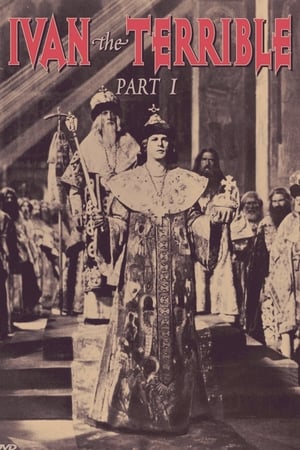
Ivan the Terrible, Part I
1944
Director
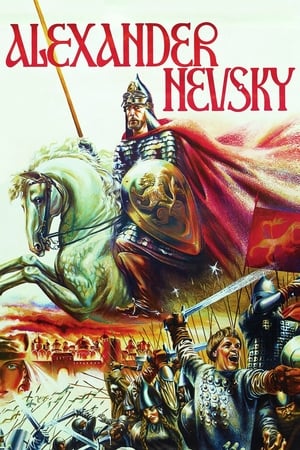
Alexander Nevsky
1938

Director
Strike
1925
Director
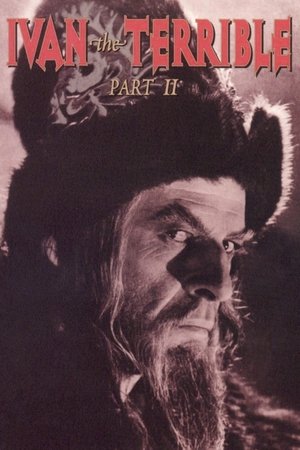
Ivan the Terrible, Part II: The Boyars' Plot
1958
Director
October (Ten Days that Shook the World)
1928

Director
The General Line
1929
Director
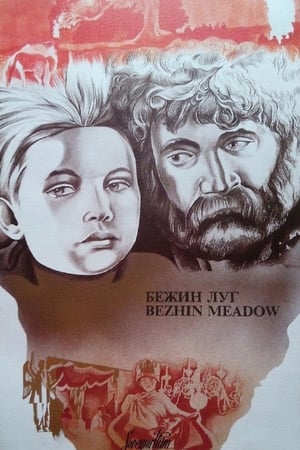
Bezhin Meadow: Sequences from an Unfinished Film
1968

Director
Glumov's Diary
1923

Director
Sentimental Romance
1931
Latest Trailers

Watch Trailer
To the Jews of the Whole World!
Full Filmography
Bezhin Meadow: Sequences from an Unfinished Film
Director
1968
Film
Ivan the Terrible, Part II: The Boyars' Plot
Director
1958
Film
Ivan the Terrible, Part I
Director
1944
Film
Alexander Nevsky
Director
1938
Film
Sentimental Romance
Director
1931
Film
The General Line
Director
1929
Film
October (Ten Days that Shook the World)
Director
1928
Film
Battleship Potemkin
Director
1925
Film
Strike
Director
1925
Film
Photos


Frequently Asked Questions
Is Sergei Eisenstein still alive?
Sergei Eisenstein passed away on February 11, 1948 at age 50.
What are the most famous roles of Sergei Eisenstein?
Sergei Eisenstein is best known for directing Battleship Potemkin, Strike, Alexander Nevsky.
How many movies has Sergei Eisenstein directed?
Over a 25-year career (since 1923), Sergei Eisenstein has directed or written 10 films and worked on 0 TV shows.
What was Sergei Eisenstein's first movie?
The career of Sergei Eisenstein began with Thunder Over Mexico ().
What is Sergei Eisenstein's most recent movie or series?
Sergei Eisenstein's most recent release is Idols Behind Altars: A Poetic Reverie for Anita Brenner, which premiered on May 23, 2026.





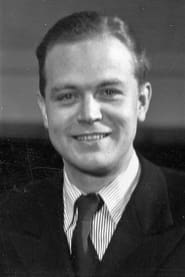

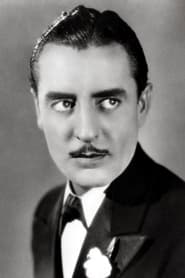


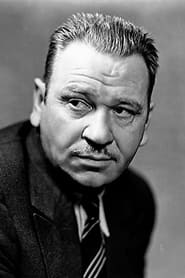
Sergei Eisenstein
1898-01-23 · Riga, Russian Empire
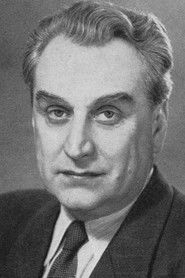
Sergei Mikhailovich Eisenstein (23 January 1898 — 11 February 1948) was a pioneering Soviet film director and film theorist, often considered to be the 'Father of Montage'. Noted in particular for his silent films Strike (1924), Battleship Potemkin (1925) and October (1927), as well as the historical epics Alexander Nevsky (1938) and Ivan the Terrible (1944, 1958), his work profoundly influenced early filmmakers owing to his innovative use of and writings about montage.