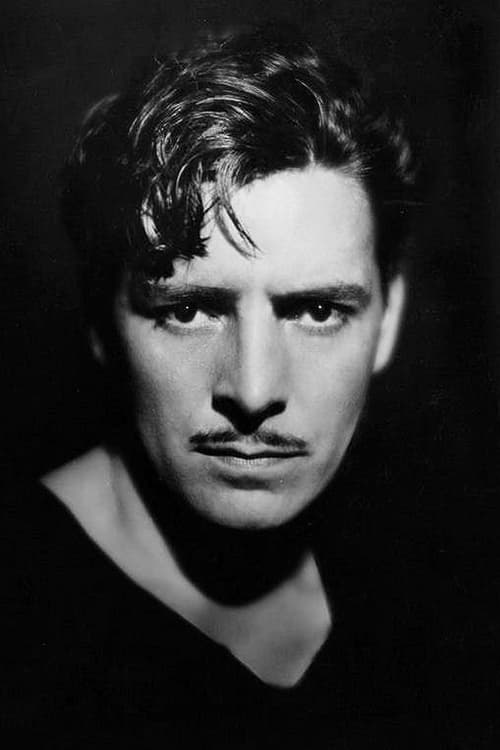

Ronald Colman
Ator
67 anos (8 fev 1891 – 19 mai 1958)Richmond, Surrey, England, Reino Unido


Ronald Colman foi um galã britânico radicado no cinema estadunidense e uma das grandes estrelas da era de ouro de Hollywood. Descoberto na Broadway, saltou para o estrelato do cinema mudo ao lado de Lillian Gish em 'A Irmã Branca' (1923), e a chegada do sonoro só aumentou seu valor graças a uma voz cultivada e belíssima. Encarnou cavalheiros íntegros, pensativos e românticos, e exibiu sua faceta de aventureiro em clássicos como 'O Prisioneiro de Zenda' (1937) ou o idealista de 'Horizonte Perdido' (1937). Coroou sua carreira com o Oscar de melhor ator por sua dilacerante interpretação de um ator atormentado em 'Vida Dupla' (1947). Elegante, sóbrio e de dicção impecável, definiu o arquétipo do gentleman na tela.
Ronald Colman
Ator
Ronald Colman foi um galã britânico radicado no cinema estadunidense e uma das grandes estrelas da era de ouro de Hollywood. Descoberto na Broadway, saltou para o estrelato do cinema mudo ao lado de Lillian Gish em 'A Irmã Branca' (1923), e a chegada do sonoro só aumentou seu valor graças a uma voz cultivada e belíssima. Encarnou cavalheiros íntegros, pensativos e românticos, e exibiu sua faceta de aventureiro em clássicos como 'O Prisioneiro de Zenda' (1937) ou o idealista de 'Horizonte Perdido' (1937). Coroou sua carreira com o Oscar de melhor ator por sua dilacerante interpretação de um ator atormentado em 'Vida Dupla' (1947). Elegante, sóbrio e de dicção impecável, definiu o arquétipo do gentleman na tela.
45 Filmes
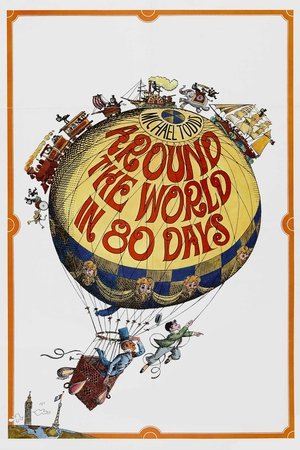
Interpreta Railway Official
A Volta ao Mundo em 80 Dias
1956
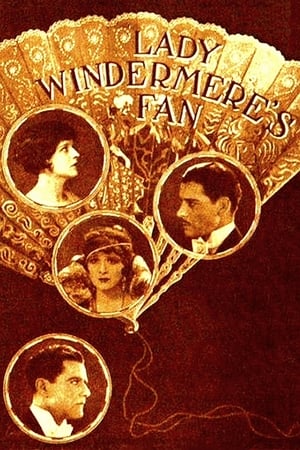
Interpreta Lord Darlington
Lady Windermere's Fan
1925
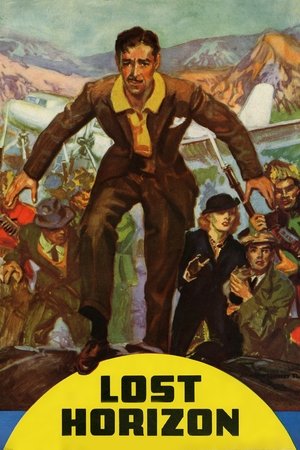
Interpreta Robert " Bob " Conway
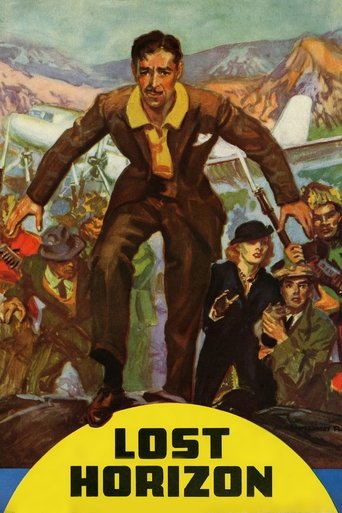
Horizonte Perdido
1937
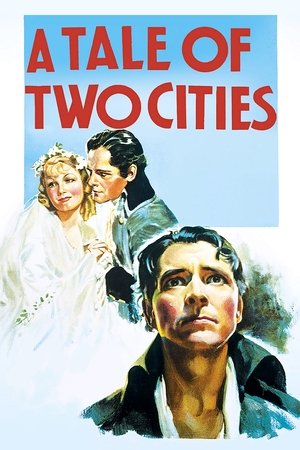
Interpreta Sydney Carton
A Queda da Bastilha
1935
Interpreta Michael Lightcap
E a Vida Continua
1942
Interpreta Charles Rainier
Na Noite do Passado
1942
Interpreta Major Rudolf Rassendyll / The Prisoner of Zenda
O Prisioneiro de Zenda
1937
Interpreta The Spirit of Man
A História da Humanidade
1957
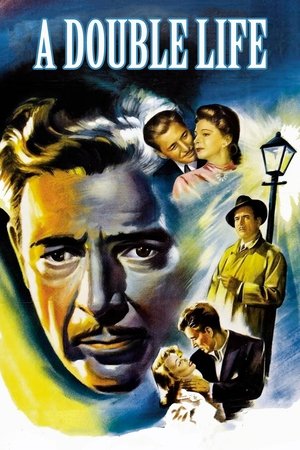
Interpreta Anthony John
Fatalidade
1947
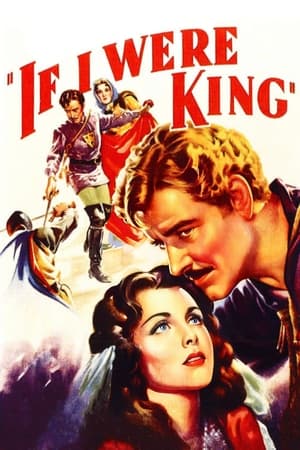
Interpreta François Villon
Se Eu Fora Rei
1938

Interpreta Paul Gaillard
The Man Who Broke the Bank at Monte Carlo
1935
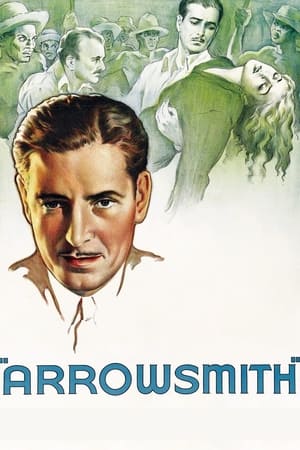
Interpreta Dr. Martin Arrowsmith
Médico e Amante
1931
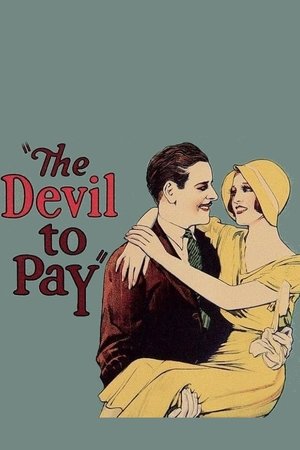
Interpreta Willie Hale
O Diabo Que Pague
1930

Interpreta Hafiz
Kismet
1944

Interpreta Willard Holmes
Beijo Ardente
1926
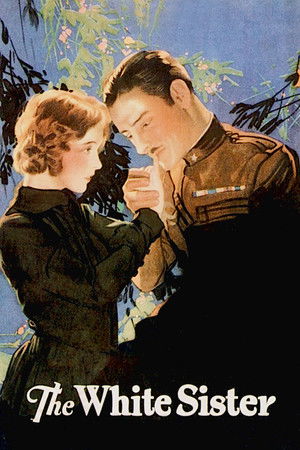
Interpreta Capt. Giovanni Severi
The White Sister
1923
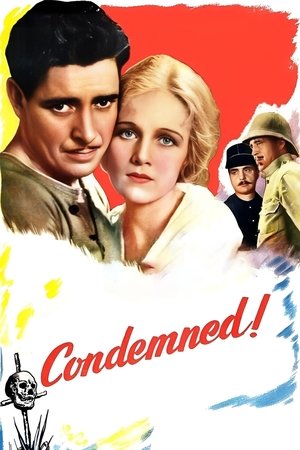
Interpreta Michel
Condemned!
1929

Interpreta Tito the Clown / The Count
The Magic Flame
1927

Interpreta Carlo Bucellini
Romola
1924

Interpreta Victor Renal
Kiki
1926

Interpreta Beauregard Bottomley
Champanhe Para César
1950
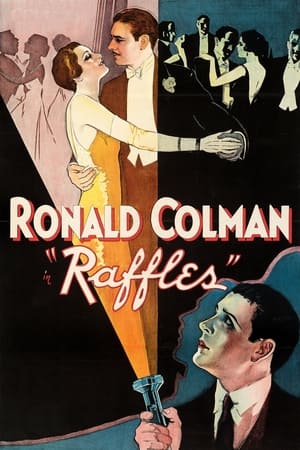
Interpreta A.J. Raffles
Raffles
1930
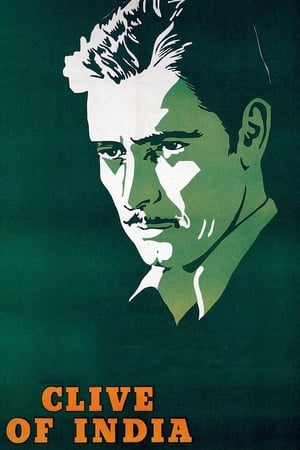
Interpreta Robert Clive
A Conquista de um Império
1935

Interpreta Sgt. Victor
Under Two Flags
1936

Interpreta Michael 'Beau' Geste
Beau Geste
1926

Interpreta George Apley
Tenho Direito ao Amor
1947

Interpreta Anthony Mason
Minha Vida com Caroline
1941

Interpreta Dick Heldar
The Light That Failed
1939

Interpreta Paul Menford
Her Night of Romance
1924

Interpreta Barrington Hunt
The Unholy Garden
1931

Interpreta Captain Hugh 'Bulldog' Drummond
Bulldog Drummond Strikes Back
1934

Interpreta Joseph
Her Sister from Paris
1925
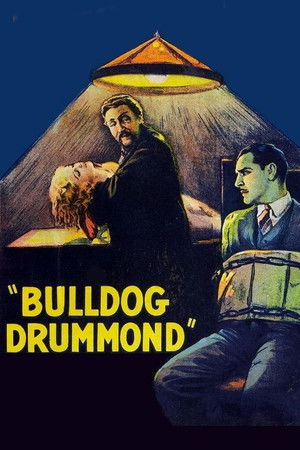
Interpreta Captain Hugh 'Bulldog' Drummond
Amante de Emoções
1929

Interpreta James Warlock
Cynara
1932
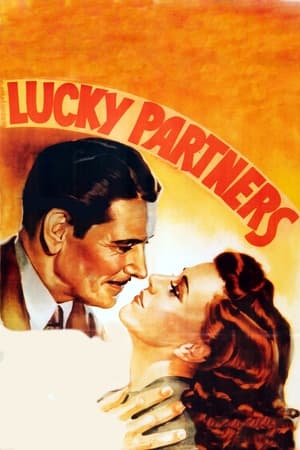
Interpreta David Grant
Boa Sorte
1940

Interpreta Stephen Dallas
Stella Dallas
1925
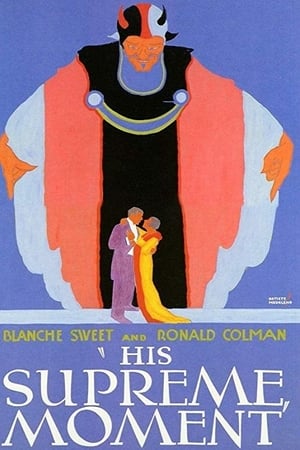
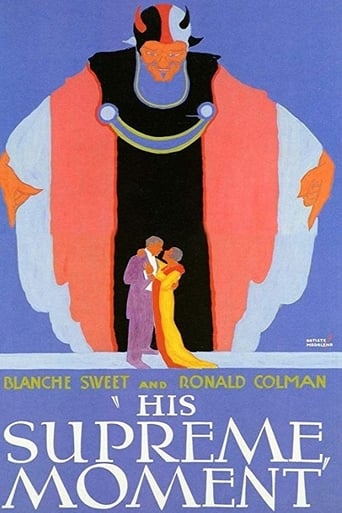
Interpreta John Douglas
His Supreme Moment
1925
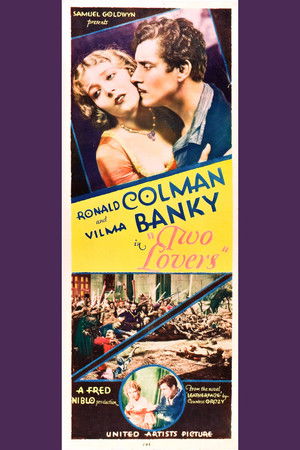
Interpreta Mark van Rycke
Two Lovers
1928

Interpreta Captain Alan Trent
The Dark Angel
1925

Interpreta Sir John Chilcote / John Loder
The Masquerader
1933


Últimos Trailers

Ver Trailer
A História da Humanidade
Filmografia completa
A História da Humanidade
The Spirit of Man
1957
A Volta ao Mundo em 80 Dias
Railway Official
1956
The Jack Benny Program
Ronald Colman
1956Temporada 7
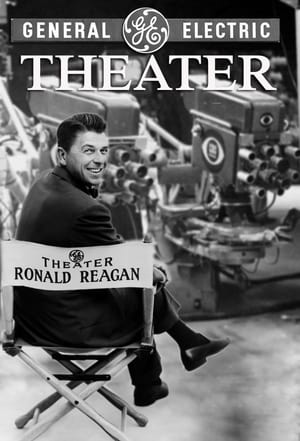
General Electric Theater
Graham
1956Temporada 5
Four Star Playhouse
Caller
1953Temporada 2
Four Star Playhouse
Caller
1952Temporada 1
Champanhe Para César
Beauregard Bottomley
1950
Fatalidade
Anthony John
1947
Tenho Direito ao Amor
George Apley
1947
Fotos


Perguntas Frequentes
Ronald Colman ainda está vivo?
Ronald Colman faleceu em 19 de maio de 1958 aos 67 anos.
Quais são os papéis mais conhecidos de Ronald Colman?
Ronald Colman é conhecido sobretudo por A Volta ao Mundo em 80 Dias, Horizonte Perdido, E a Vida Continua.
Em quantos filmes Ronald Colman atuou?
Em 39 anos de carreira (desde 1919), Ronald Colman atuou em 45 filmes e 3 séries.
Qual foi o primeiro filme de Ronald Colman?
A carreira de Ronald Colman começou com The Toilers (1919).
Qual é o filme ou série mais recente de Ronald Colman?
O trabalho mais recente de Ronald Colman é A História da Humanidade, estreado em 8 de novembro de 1957.
Em quais séries Ronald Colman apareceu?
Na televisão, Ronald Colman apareceu em The Ed Sullivan Show, The Jack Benny Program, Four Star Playhouse, General Electric Theater.
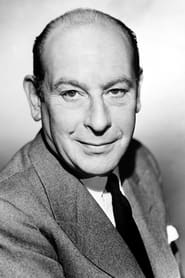
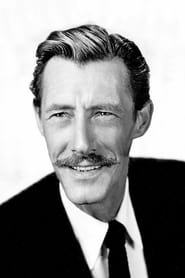
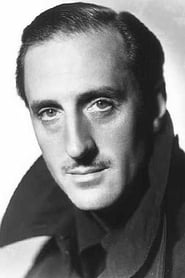

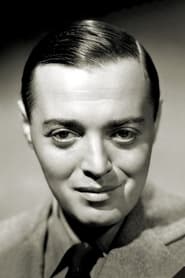
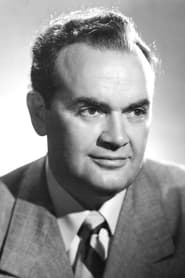
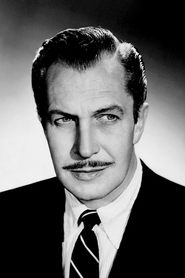
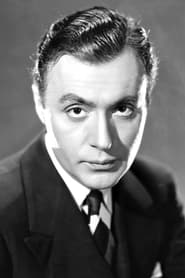
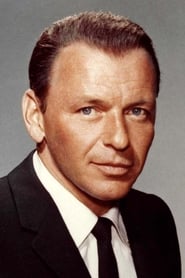
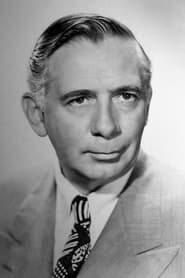
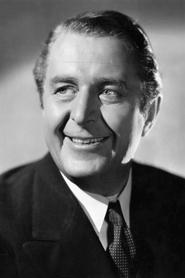
Ronald Colman
1891-02-08 · Richmond, Surrey, England, Reino Unido
British leading man of primarily American films, one of the great stars of the Golden Age. Raised in Ealing, the son of a successful silk merchant, he attended boarding school in Sussex, where he first discovered amateur theatre. He intended to attend Cambridge and become an engineer, but his father's death cost him the financial support necessary. He joined the London Scottish Regionals and at the outbreak of World War I was sent to France. Seriously wounded at the battle of Messines--he was gassed--he was invalided out of service scarcely two months after shipping out for France. Upon his recovery he tried to enter the consular service, but a chance encounter got him a small role in a London play. He dropped other plans and concentrated on the theatre, and was rewarded with a succession of increasingly prominent parts. He made extra money appearing in a few minor films, and in 1920 set out for New York in hopes of finding greater fortune there than in war-depressed England. After two years of impoverishment he was cast in a Broadway hit, "La Tendresse". Director Henry King spotted him in the show and cast him as Lillian Gish's leading man in The White Sister (1923). His success in the film led to a contract with Samuel Goldwyn, and his career as a Hollywood leading man was underway. He became a vastly popular star of silent films, in romances as well as adventure films. The coming of sound made his extraordinarily beautiful speaking voice even more important to the film industry. He played sophisticated, thoughtful characters of integrity with enormous aplomb, and swashbuckled expertly when called to do so in films like The Prisoner of Zenda (1937). A decade later he received an Academy Award for his splendid portrayal of a tormented actor in A Double Life (1947). Much of his later career was devoted to "The Halls of Ivy", a radio show that later was transferred to television "The Halls of Ivy" (1954). He continued to work until nearly the end of his life, which came in 1958 after a brief lung illness. He was survived by his second wife, actress Benita Hume, and their daughter Juliet Benita Colman.