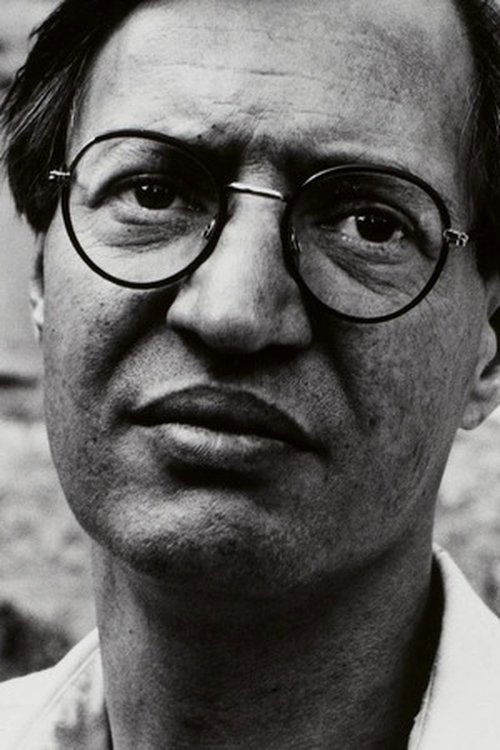
Philippe Clévenot
Actor
59 years (Sep 10, 1942 – Oct 18, 2001)Paris, France

Philippe Clévenot is an actor by trade, and the profile that emerges from the data is a plain one. The record adds 'Céline and Julie Go Boating'. His filmography is weighted towards drama. Screen work stretches over 54 years of his life. His part in 'The Hairdresser's Husband' is Morvoisieux, the most visible on the list.
Philippe Clévenot
Actor
Philippe Clévenot is an actor by trade, and the profile that emerges from the data is a plain one. The record adds 'Céline and Julie Go Boating'. His filmography is weighted towards drama. Screen work stretches over 54 years of his life. His part in 'The Hairdresser's Husband' is Morvoisieux, the most visible on the list.
28 Movies

Plays Guilou
Céline and Julie Go Boating
1974
Plays Morvoisieux
The Hairdresser's Husband
1990
Plays Producer
Thank You, Life
1991
Plays Comisario
The Sidewalks of Saturn
1986
Plays Kleiser
Place Vendôme
1998
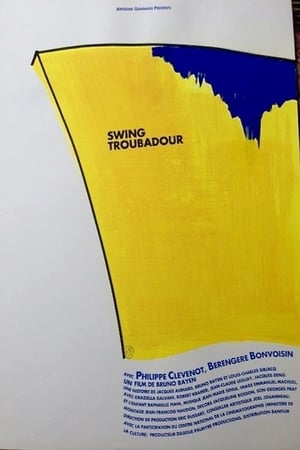
Plays Alex Emmerich
Swing troubadour
1991

Plays Eugène Blot
Camille Claudel
1988

Plays Amadeus
Diesel
1985
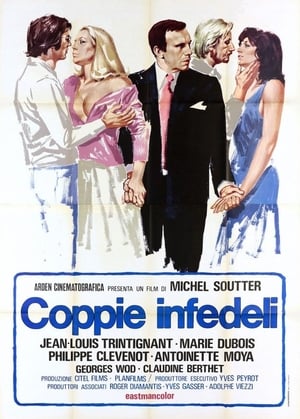
Plays Paul
Escapade
1974

Plays Monsieur T'Champ
Just a Game
1992

Plays L'abbé
West Indies: The Fugitive Slaves of Liberty
1979
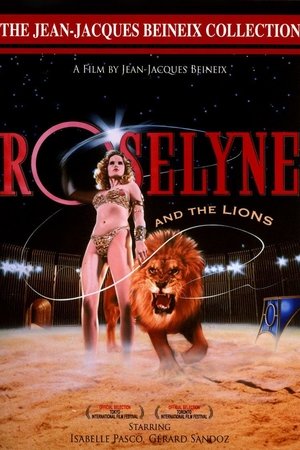
Plays Bracquard
Roselyne and the Lions
1988

Plays Henri Valette
Deep Water
1981
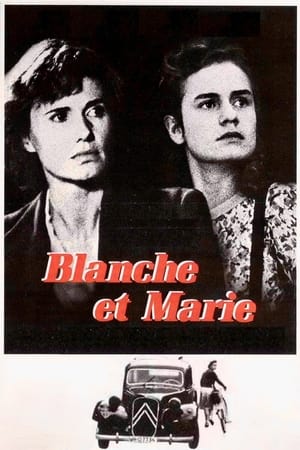
Plays Commissioner Benoist
Blanche and Marie
1985
Plays L'accordeur
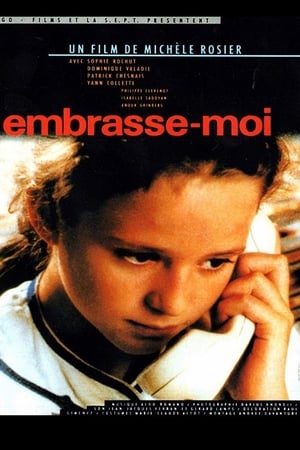
Kiss Me
1989
Plays Don Juan
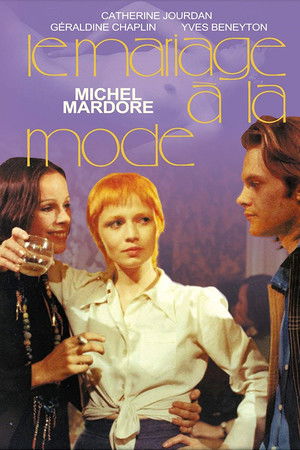
Marriage a la Mode
1973
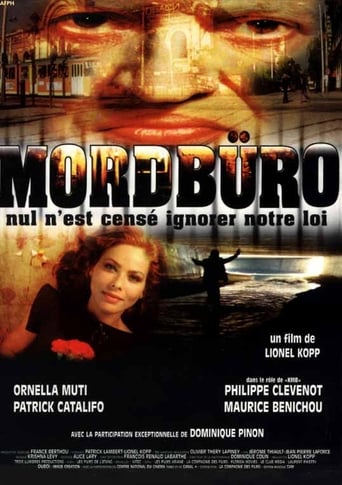
Plays KMB/Mr. Jean
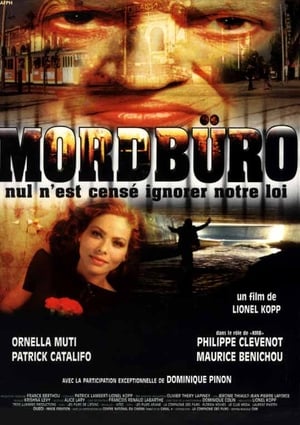
Mordbüro
1997
Plays Father Rudolphe
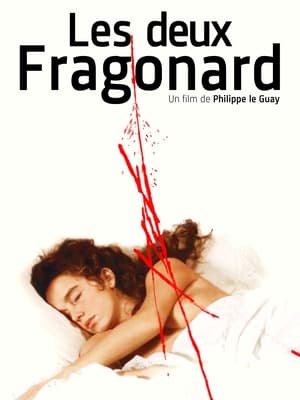
Les Deux Fragonard
1989

Plays Le diplomate
Cocktail Molotov
1980
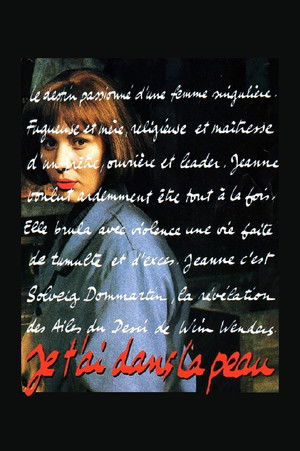
Plays Lucien
I Have You Under My Skin
1990
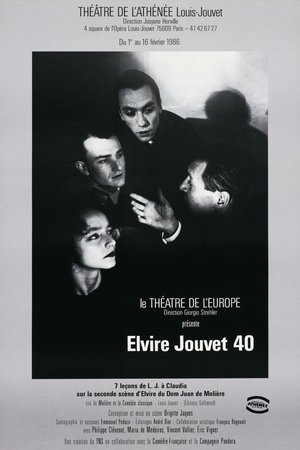
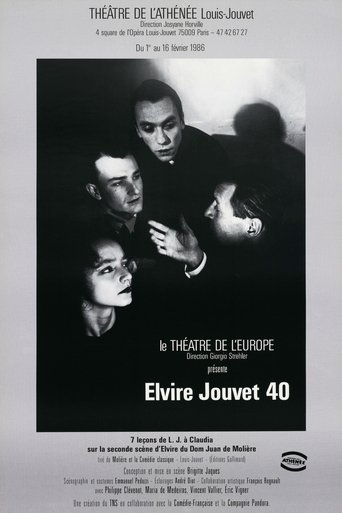
Plays Louis Jouvet
Elvire Jouvet 40
1987
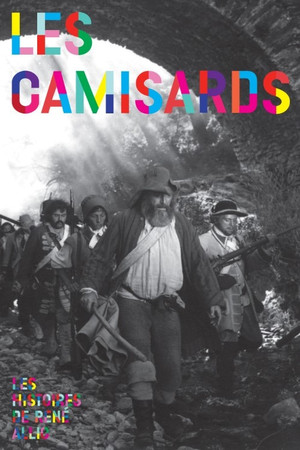
Plays 'La Fleur'
The French Calvinists
1972

Plays Le dominicain
The Sorceress
1982

Plays Doctor Chesnet
The Mystery of Alexina
1985
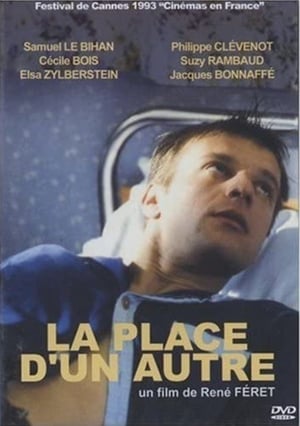
Plays Thomas' father
The Place of Another
1993
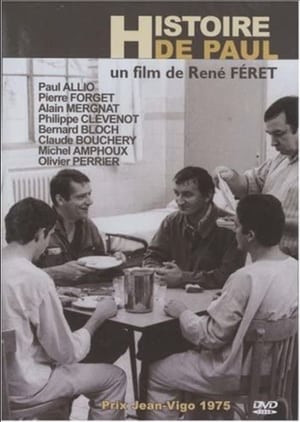
Plays L'amnésique
The Story of Paul
1975
Latest Trailers

Watch Trailer
Place Vendôme
Full Filmography
Place Vendôme
Kleiser
1998
Mordbüro
KMB/Mr. Jean
1997
The Place of Another
Thomas' father
1993
Just a Game
Monsieur T'Champ
1992
Swing troubadour
Alex Emmerich
1991
Thank You, Life
Producer
1991
The Hairdresser's Husband
Morvoisieux
1990
I Have You Under My Skin
Lucien
1990
Les Deux Fragonard
Father Rudolphe
1989
Frequently Asked Questions
Is Philippe Clévenot still alive?
Philippe Clévenot passed away on October 18, 2001 at age 59.
What are the most famous roles of Philippe Clévenot?
Philippe Clévenot is best known for roles in The Hairdresser's Husband, Céline and Julie Go Boating, Camille Claudel.
How many movies has Philippe Clévenot been in?
Over a 29-year career (since 1972), Philippe Clévenot has appeared in 28 movies and 0 TV shows.
What was Philippe Clévenot's first movie?
The career of Philippe Clévenot began with The French Calvinists (1972).
What is Philippe Clévenot's most recent movie or series?
Philippe Clévenot's most recent release is Malraux, the Daring Dreamer, which premiered on November 21, 2001.

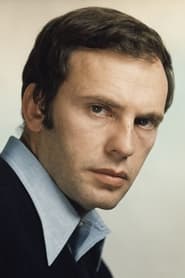
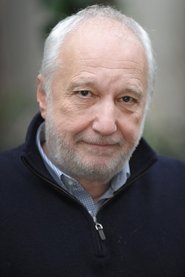





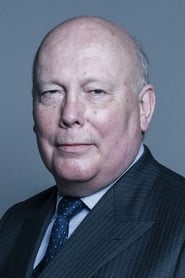


Philippe Clévenot
1942-09-10 · Paris, France
Philippe Clévenot ranks among the greatest actors of a generation who, in the 1960s and 1970s, embarked on the adventure of collective creations and sought to reach a new, popular audience, following in the footsteps of Jean Vilar or Ariane Mnouchkine. From 1962 to 1965, he studied at the Centre dramatique de l’Est, then directed by Hubert Gignoux, Paul Lefèvre, and Claude Petitpierre. At the same time, he continued studying the organ, harpsichord, and piano. After two years of military service (1965–1967), during which he learned German, he joined the Maison de la Culture in Bourges, directed by Gabriel Monnet.
In 1971, he took part in the early days of the Théâtre de l’Espérance with Jean Jourdheuil and Jean‑Pierre Vincent, then in 1976 joined the school of the TNS (the higher school of dramatic arts in Strasbourg), also directed by Jean‑Pierre Vincent. From 1985 to 1987, he was a resident actor at the Comédie‑Française.
Philippe Clévenot performed both classical and contemporary repertoire. He appeared in The Misanthrope by Molière and Macbeth by Shakespeare (both directed by Jean‑Pierre Vincent); in The Prince of Homburg by Kleist (directed by Matthias Langhoff) and The Broken Jug by the same author (directed by Bernard Sobel); in The School for Wives by Molière (directed by Bernard Sobel); Rameau’s Nephew by Diderot (directed by Jean‑Marie Simon); in Artaud Mômo and The Vieux‑Colombier Lecture as well as The True Story of Artaud Mômo by Antonin Artaud, in which he portrayed the author; in The Sea Wall by Marguerite Duras; In the Jungle of Cities by Brecht (directed by Stéphane Braunschweig); The Life of the Egoist Fätzer, also by Brecht (directed by Bernard Sobel); Rumor on Wall Street by Bernard Chatellier, based on Melville’s Bartleby (directed by Bérangère Bonvoisin); and Pioneers in Ingolstadt by Marieluise Fleisser.
As a director, he notably staged Anna Christie by Eugene O’Neill in Geneva in 2000 — a production later revived at the Théâtre Gérard Philipe in Villeurbanne in 2001. He also wrote Celle qui ment, inspired by the famous Italian mystic Angela of Foligno.
His first film role was offered by René Allio in 1970 in Les Camisards. He later worked with numerous filmmakers, including Bertrand Blier, Patrice Leconte, and Jean‑Jacques Beineix. One of his final film appearances was in Disparus (1998), the first historical and political feature by young director Gilles Bourdos.