

Myrna Loy
Known for
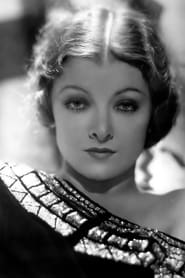
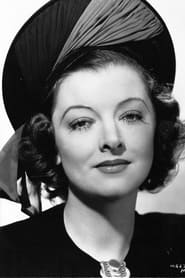
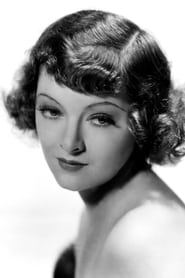
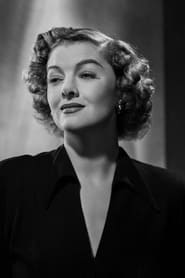
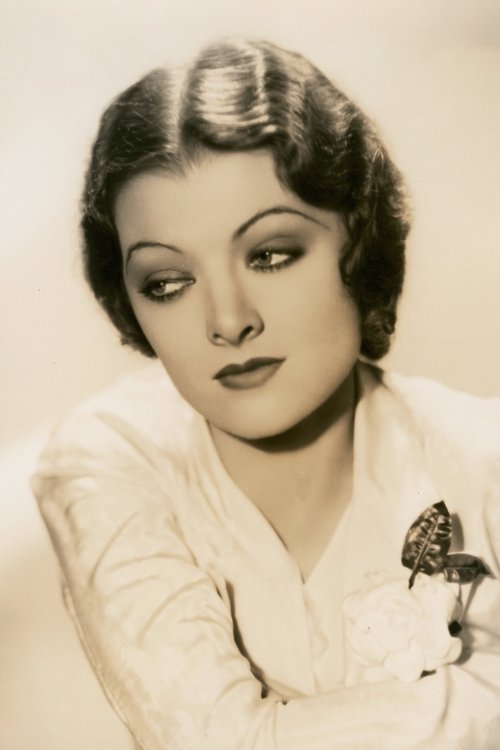
Dubbed 'the queen of Hollywood' in the 1930s, Myrna Loy moved from playing exotic femmes fatales to redefining American sophisticated comedy. Her partnership with William Powell in 'The Thin Man' series enshrined her as the ideal of the witty, modern wife of classic cinema. She also shone in weighty dramas such as 'The Best Years of Our Lives', a portrait of the postwar era, and in comedies like 'The Bachelor and the Bobby-Soxer'. Her style blended elegance, impeccable comic timing and a warmth that made her enormously beloved by audiences for decades.
Myrna Loy
122 Movies
6 Series
Dubbed 'the queen of Hollywood' in the 1930s, Myrna Loy moved from playing exotic femmes fatales to redefining American sophisticated comedy. Her partnership with William Powell in 'The Thin Man' series enshrined her as the ideal of the witty, modern wife of classic cinema. She also shone in weighty dramas such as 'The Best Years of Our Lives', a portrait of the postwar era, and in comedies like 'The Bachelor and the Bobby-Soxer'. Her style blended elegance, impeccable comic timing and a warmth that made her enormously beloved by audiences for decades.
Movies
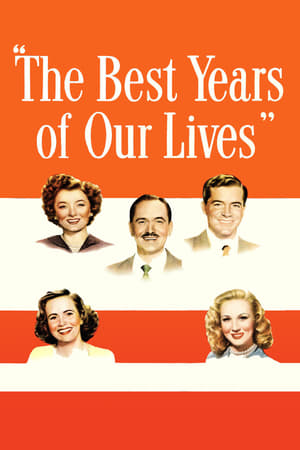
Plays Milly Stephenson
The Best Years of Our Lives
1946
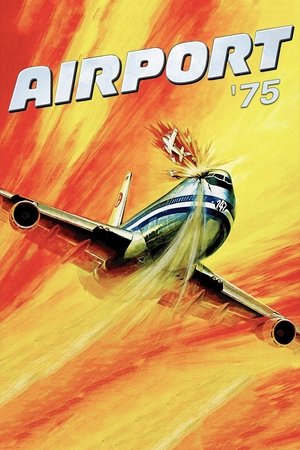
Plays Mrs. Devaney
Airport 1975
1974
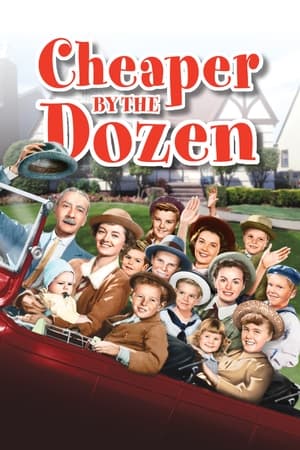
Plays Lillian Gilbreth
Cheaper by the Dozen
1950
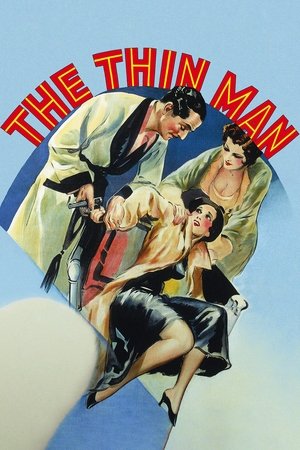
Plays Nora Charles
The Thin Man
1934
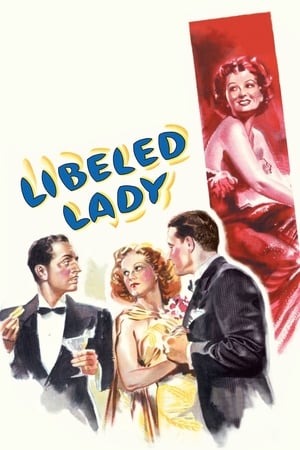
Plays Connie Allenbury
Libeled Lady
1936
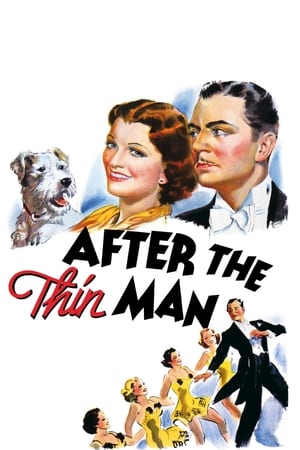
Plays Nora Charles
After the Thin Man
1936
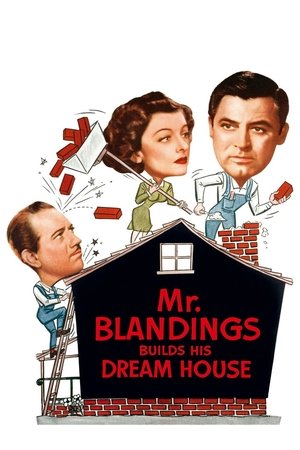
Plays Muriel Blandings
Mr. Blandings Builds His Dream House
1948
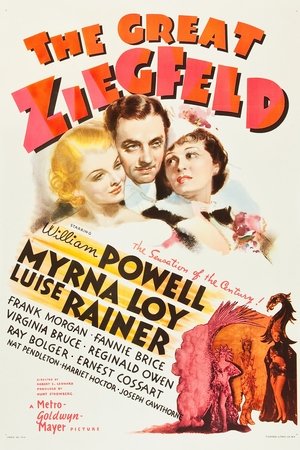
Plays Billie Burke
The Great Ziegfeld
1936
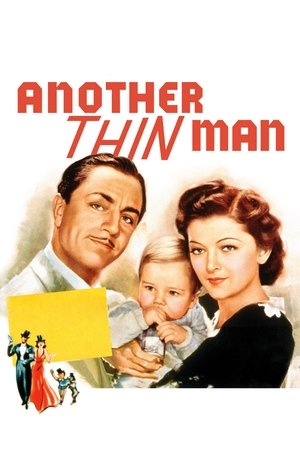
Plays Nora Charles
Another Thin Man
1939
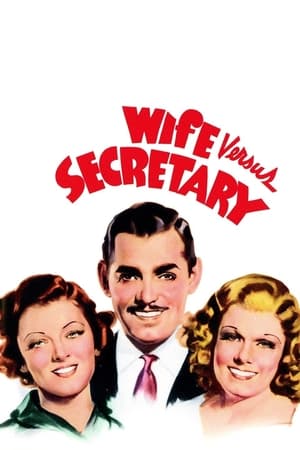
Plays Linda Stanhope
Wife vs. Secretary
1936
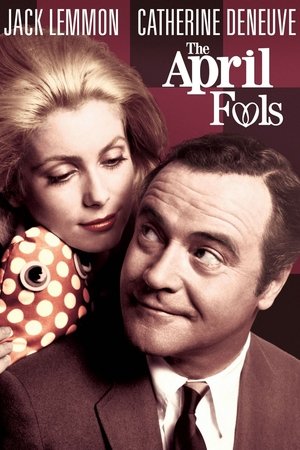
Plays Grace Greenlaw
The April Fools
1969
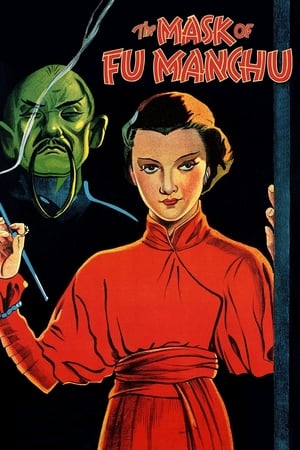
Plays Fah Lo See
The Mask of Fu Manchu
1932
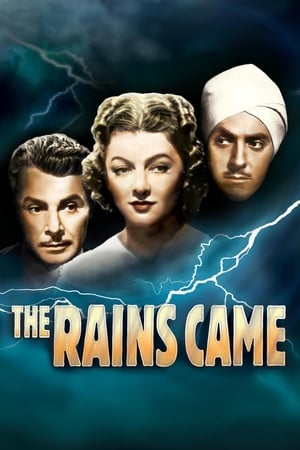
Plays Lady Edwina Esketh
The Rains Came
1939
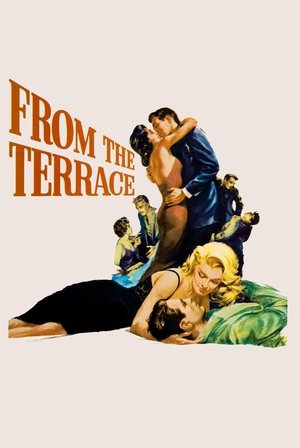
Plays Martha Eaton
From the Terrace
1960
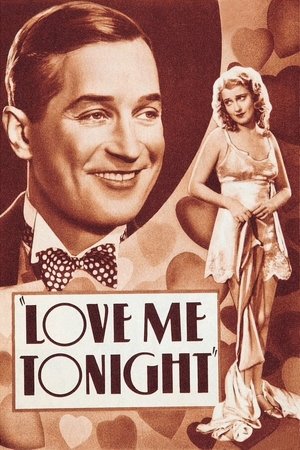
Plays Countess Valentine
Love Me Tonight
1932
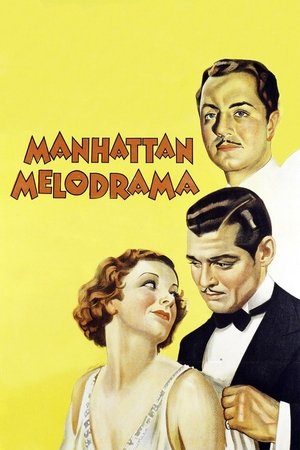
Plays Eleanor Packer
Manhattan Melodrama
1934
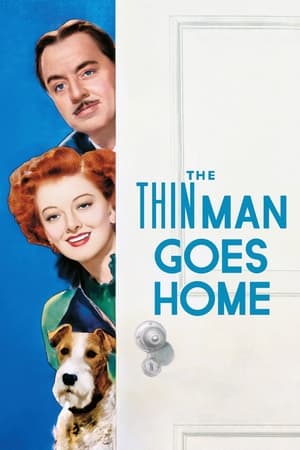
Plays Nora Charles
The Thin Man Goes Home
1944
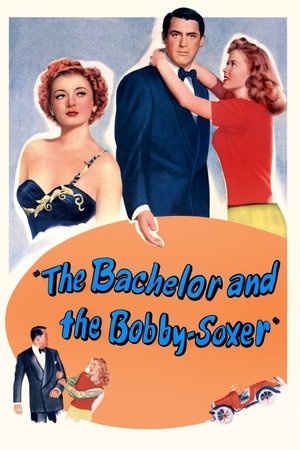
Plays Margaret
The Bachelor and the Bobby-Soxer
1947
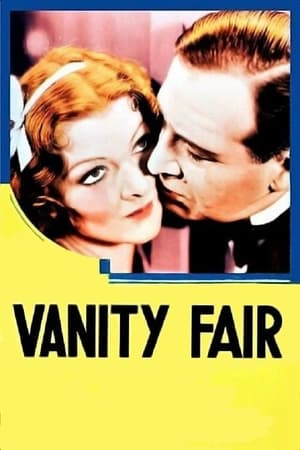
Plays Becky Sharp
Vanity Fair
1932
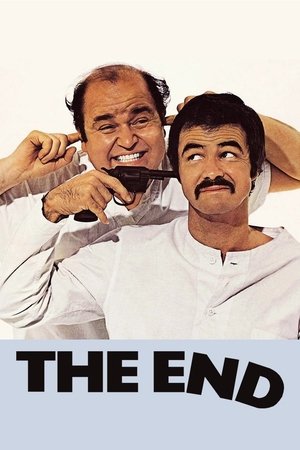
Plays Maureen Lawson
The End
1978
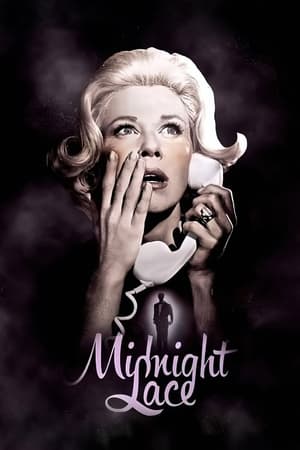
Plays Aunt Bea
Midnight Lace
1960
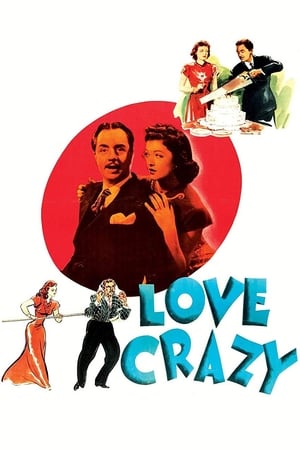
Plays Susan Ireland
Love Crazy
1941
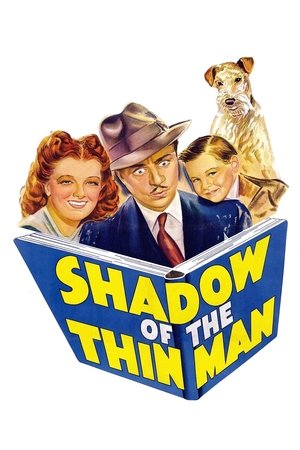
Plays Nora Charles
Shadow of the Thin Man
1941
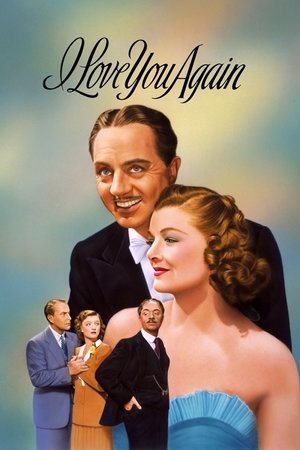
Plays Kay Wilson
I Love You Again
1940
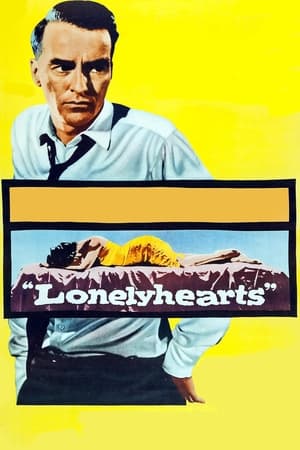
Plays Florence Shrike
Lonelyhearts
1959
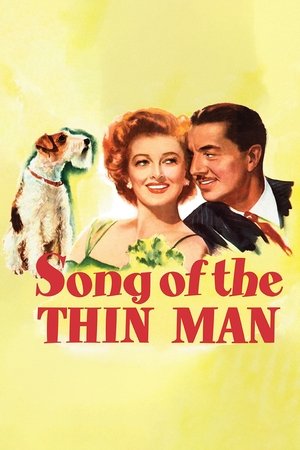
Plays Nora Charles
Song of the Thin Man
1947
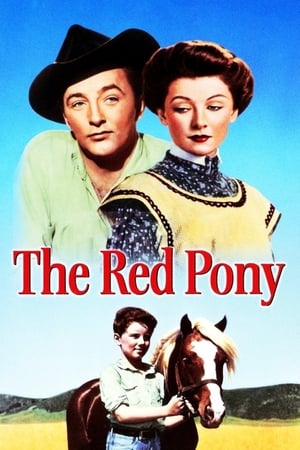
Plays Alice Tiflin
The Red Pony
1949
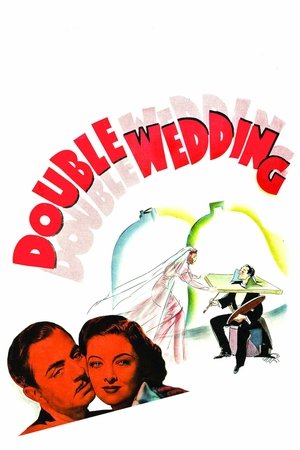
Plays Margit Agnew
Double Wedding
1937
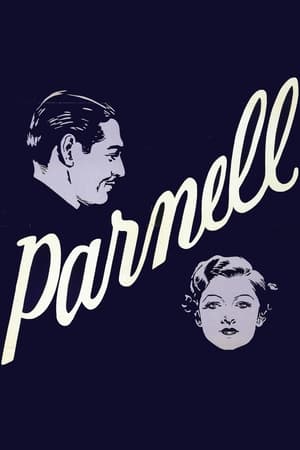
Plays Katie O'Shea
Parnell
1937
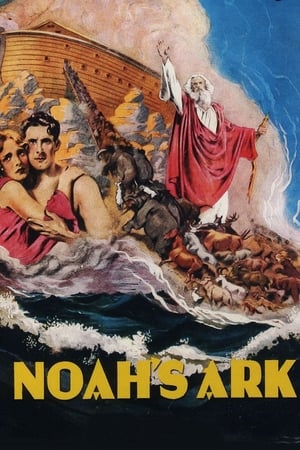
Plays Showgirl / Slave Girl
Noah's Ark
1928
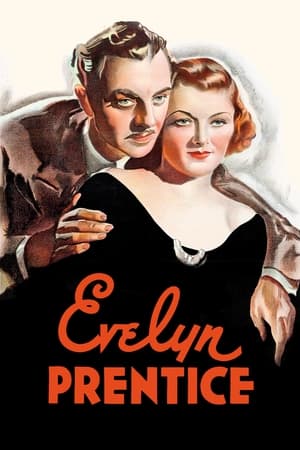
Plays Evelyn Prentice
Evelyn Prentice
1934
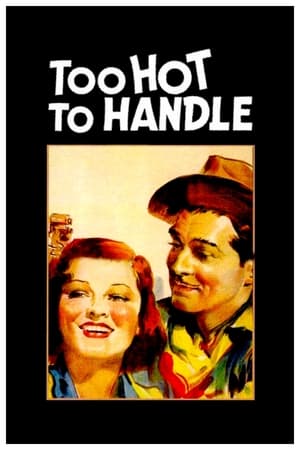
Plays Alma Harding
Too Hot to Handle
1938
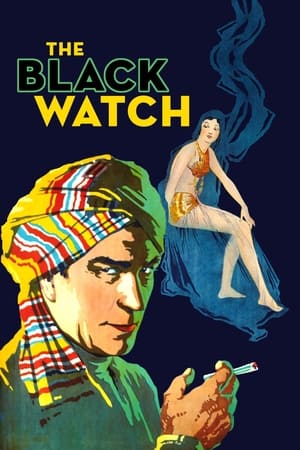
Plays Yasmani
The Black Watch
1929
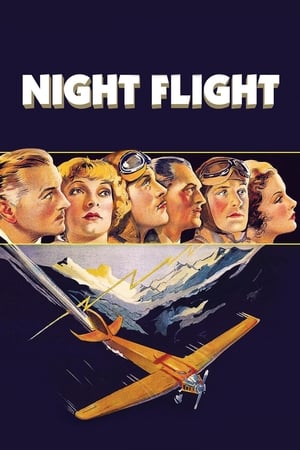
Plays Wife of Brazilian Pilot
Night Flight
1933
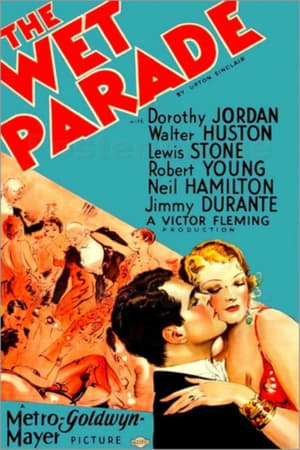
Plays Eileen Pinchon
The Wet Parade
1932
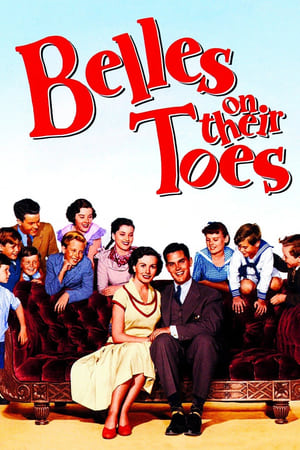
Plays Lillian Gilbreth
Belles on Their Toes
1952
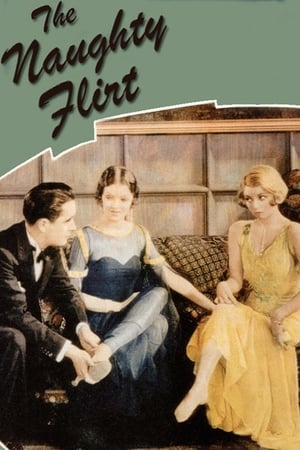
Plays Linda Gregory
The Naughty Flirt
1931
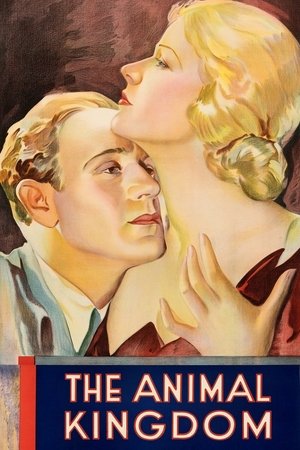
Plays Cecelia
The Animal Kingdom
1932
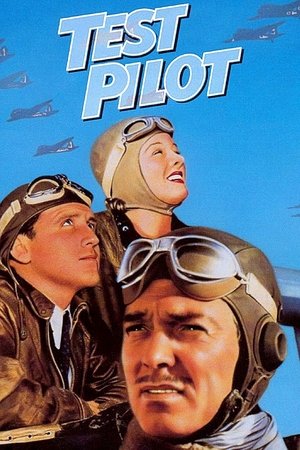
Plays Ann "Thursday" Barton
Test Pilot
1938
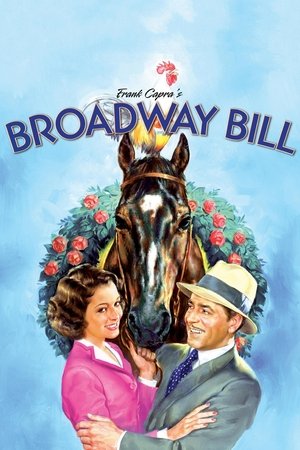
Plays Alice 'Princess' Higgins
Broadway Bill
1934
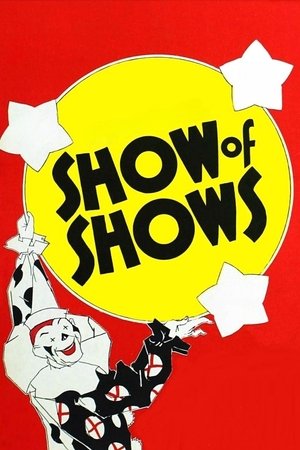
Plays Performer in 'What Became of the Floradora Boys' & 'Chinese Fantasy' Numbers
The Show of Shows
1929
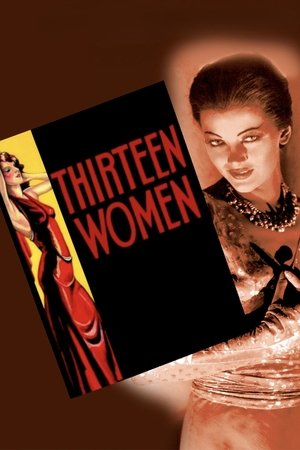
Plays Ursula Georgi
Thirteen Women
1932
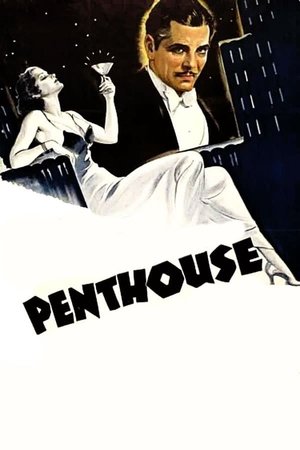
Plays Gertie Waxted
Penthouse
1933
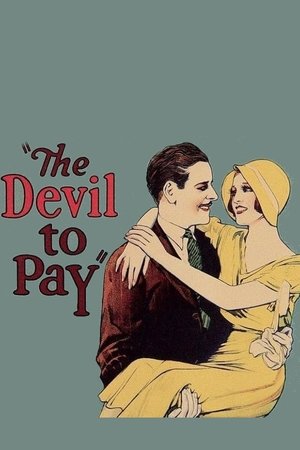
Plays Mary Crayle
The Devil to Pay!
1930
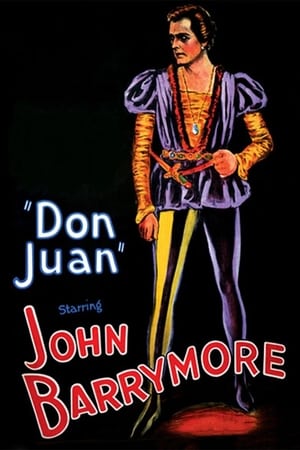
Plays Mai - Lady in Waiting
Don Juan
1926
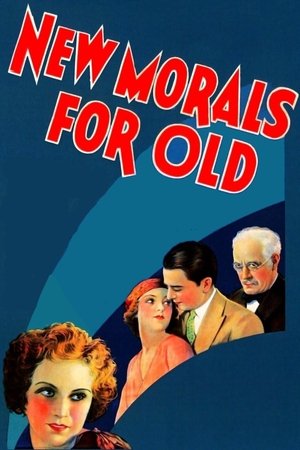
Plays Myra
New Morals for Old
1932
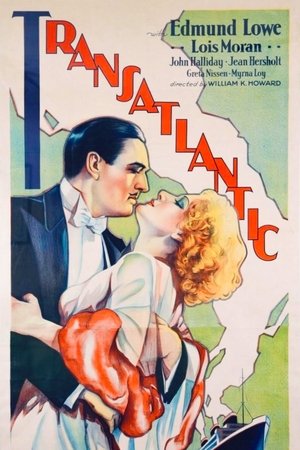
Plays Kay Graham
Transatlantic
1931
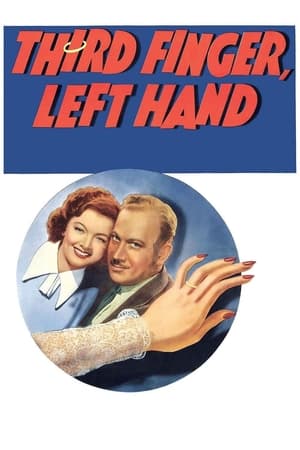
Plays Margot Sherwood Merrick
Third Finger, Left Hand
1940
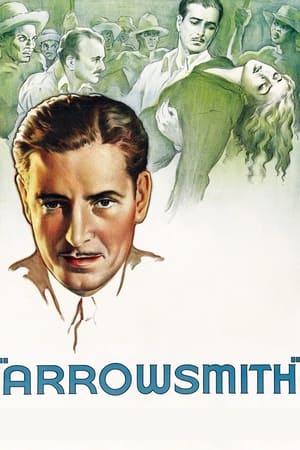
Plays Joyce Lanyon
Arrowsmith
1931
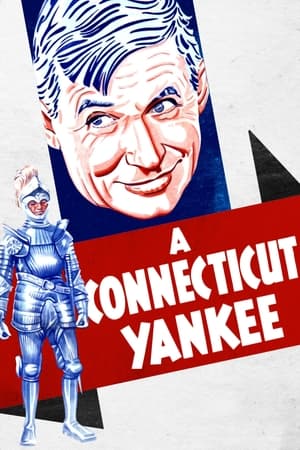
Plays Queen Morgan le Fay / Evil Sister in Mansion
A Connecticut Yankee
1931
Latest Trailers

Watch Trailer
Summer Solstice
Full Filmography
Just Tell Me What You Want
Stella Liberti
1980
Film
The End
Maureen Lawson
1978
Film
Airport 1975
Mrs. Devaney
1974
Film
The Elevator
Amanda Kenyon
1974
Film
Ironside
Andrea Wollcott · 1 episode
1972–1973
TV
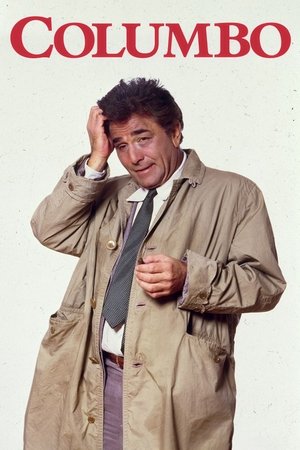
Columbo
Lizzi Fielding · 1 episode
1972
TV
Do Not Fold, Spindle, or Mutilate
Evelyn Tryon
1971
Film
The April Fools
Grace Greenlaw
1969
Film
The Virginian
Mrs. Miles · 1 episode
1966–1967
TV
Photos
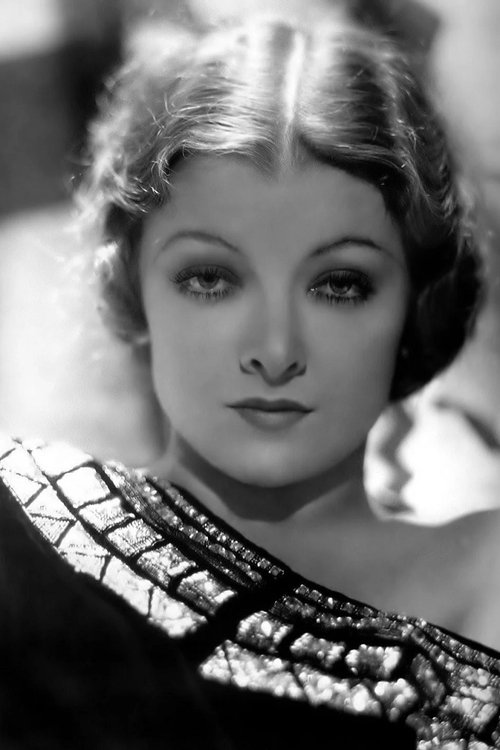
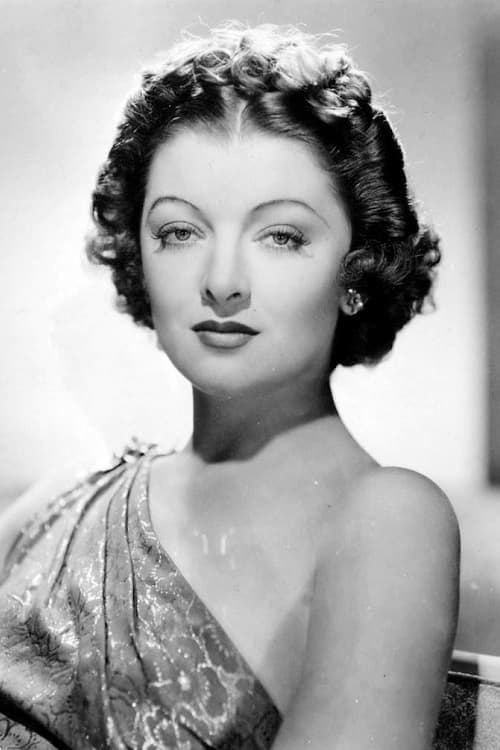
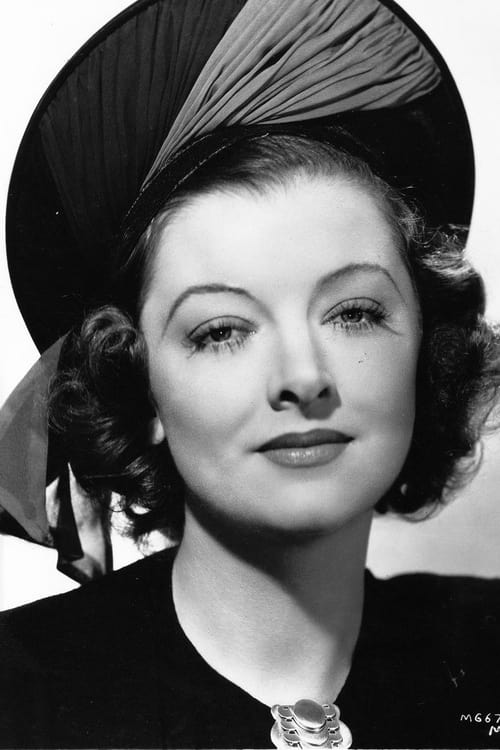
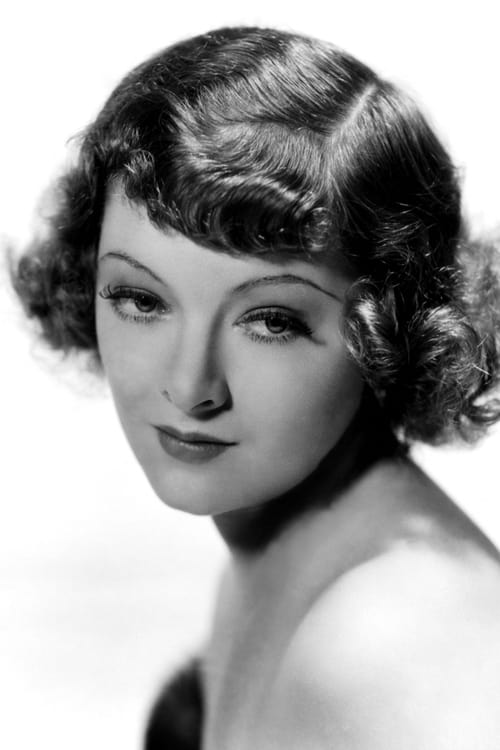
Frequently Asked Questions
Is Myrna Loy still alive?
Myrna Loy passed away on December 14, 1993 at age 88.
What are the most famous roles of Myrna Loy?
Myrna Loy is best known for roles in The Best Years of Our Lives, The Thin Man, Airport 1975.
How many movies has Myrna Loy been in?
Over a 68-year career (since 1925), Myrna Loy has appeared in 122 movies and 6 TV shows.
What was Myrna Loy's first movie?
The career of Myrna Loy began with 1925 Studio Tour (1925).
What is Myrna Loy's most recent movie or series?
Myrna Loy's most recent release is Night of 100 Stars, which premiered on March 8, 1982.
What TV shows has Myrna Loy appeared in?
On television, Myrna Loy has appeared in Columbo, Ironside, Family Affair, The Virginian.


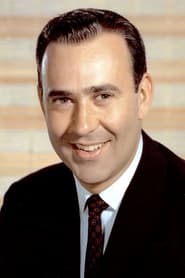

Myrna Loy
1905-08-02 · Radersburg, Montana, USA
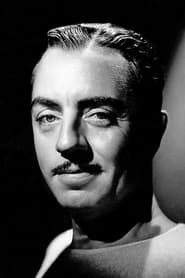
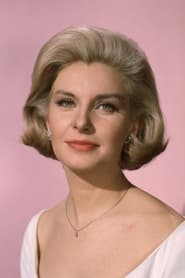
Myrna Loy (August 2, 1905 – December 14, 1993) was an American actress. Trained as a dancer, she devoted herself fully to an acting career following a few minor roles in silent films. Originally typecast in exotic roles, often as a vamp or a woman of Asian descent, her career prospects improved following her portrayal of Nora Charles in The Thin Man (1934). Her successful pairing with William Powell resulted in 14 films together, including five subsequent Thin Man films.
Although Loy was never nominated for a competitive Academy Award, in March 1991 she was presented with an Honorary Academy Award with the inscription "In recognition of her extraordinary qualities both on screen and off, with appreciation for a lifetime's worth of indelible performances."
During World War II, Loy served as assistant to the director of military and naval welfare for the Red Cross. She was later appointed a member-at-large of the U.S. Commission to UNESCO. Her acting career by no means ended in the 1940s. She continued to actively pursue stage and television appearances in addition to films in subsequent decades.