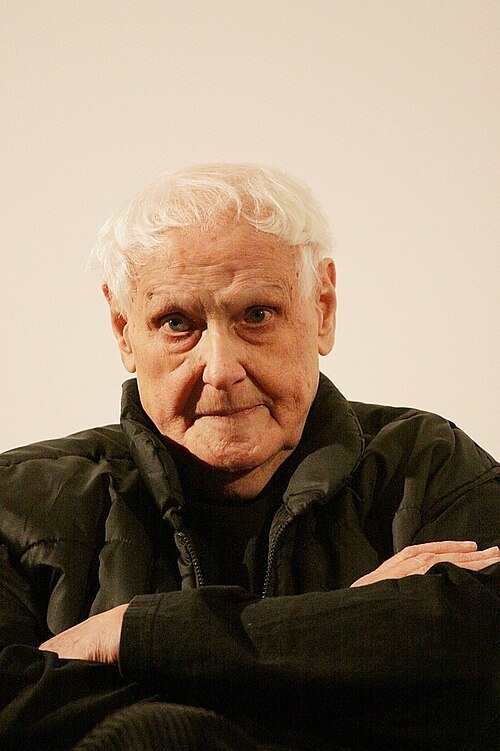

Miklós Jancsó
Director · Writer
92 years (Sep 27, 1921 – Jan 31, 2014)Vác, Hungary
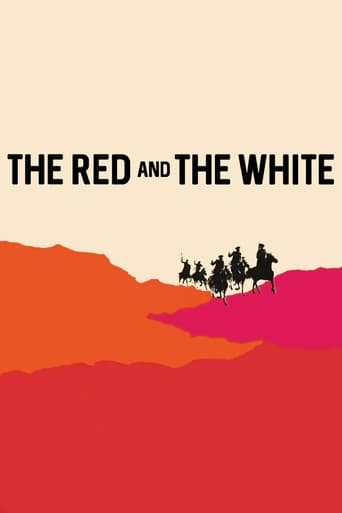
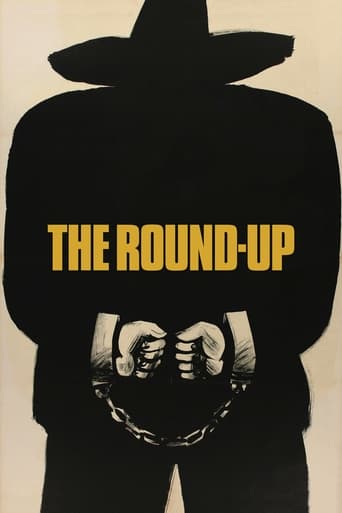
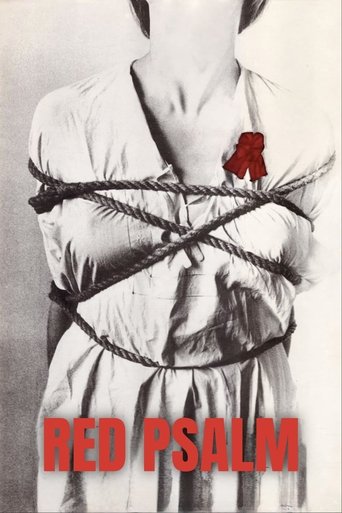
Miklós Jancsó was a Hungarian director born in Vác, celebrated for a highly distinctive style built around extraordinarily long takes and elaborate, almost choreographic camera movement across open landscapes. The Round-Up, a bleak allegory of political oppression set after the failed 1848 Hungarian revolution, established his reputation internationally, while The Red and the White, commissioned to mark the Russian Revolution's fiftieth anniversary, turned a historical commission into a meditation on the cyclical brutality of power. Red Psalm and Silence and Cry continued his exploration of political violence through near-abstract, ritualistic staging rather than conventional narrative. Jancsó's long-take technique, in which entire scenes unfold in a single unbroken shot, made him one of the most technically influential East European directors of his generation.
Miklós Jancsó
Director · Writer
Miklós Jancsó was a Hungarian director born in Vác, celebrated for a highly distinctive style built around extraordinarily long takes and elaborate, almost choreographic camera movement across open landscapes. The Round-Up, a bleak allegory of political oppression set after the failed 1848 Hungarian revolution, established his reputation internationally, while The Red and the White, commissioned to mark the Russian Revolution's fiftieth anniversary, turned a historical commission into a meditation on the cyclical brutality of power. Red Psalm and Silence and Cry continued his exploration of political violence through near-abstract, ritualistic staging rather than conventional narrative. Jancsó's long-take technique, in which entire scenes unfold in a single unbroken shot, made him one of the most technically influential East European directors of his generation.
Movies: 35 titles

Director
The Red and the White
1967

Director
Private Vices, Public Virtues
1976

Director
The Pacifist
1970
Director
Red Psalm
1972

Director
Agnus Dei
1971
Director
The Round-Up
1966

Director
The Blue Danube Waltz
1992

Director
Wake Up, Mate, Don't You Sleep
2003

Director
Hungarian Rhapsody
1979
Director
The Lord's Lantern in Budapest
1999
Director
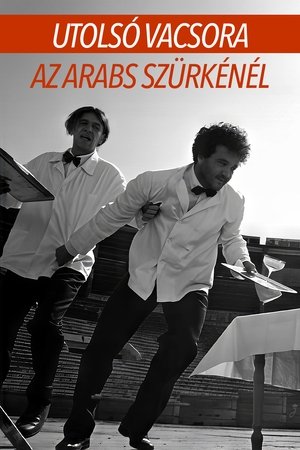
Last Supper at the Arabian Gray Horse
2001

Director
Electra, My Love
1974

Director
My Way Home
1965

Director
The Tyrant's Heart, or Boccaccio in Hungary
1981
Director
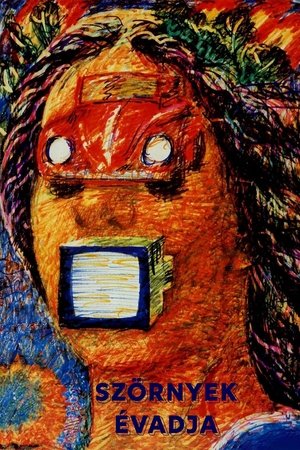
Season of Monsters
1987

Director
Silence and Cry
1968

Director
Allegro Barbaro
1979

Director
The Technique and the Rite
1972

Director
Winter Wind
1969

Director
Decameron '69
1969
Director
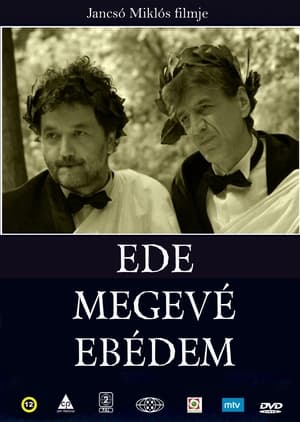
Ed's Eaten Elevenses
2006

Director
Jesus Christ's Horoscope
1989
Director
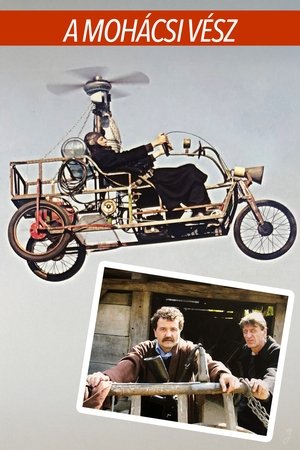
The Battle of Mohács
2004

Director
The Confrontation
1969
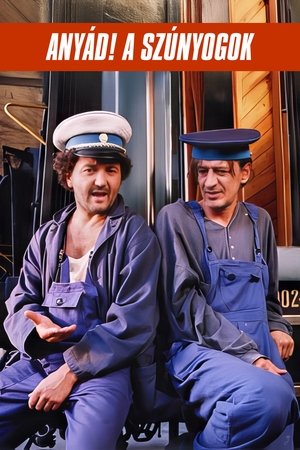
Director
Damn You! the Mosquitoes
2000

Director
God Walks Backwards
1991

Director
Cantata
1963
Full Filmography
So Much for Justice!
Director
2010
Ed's Eaten Elevenses
Director
2006
The Battle of Mohács
Director
2004
Wake Up, Mate, Don't You Sleep
Director
2003
Last Supper at the Arabian Gray Horse
Director
2001
Damn You! the Mosquitoes
Director
2000
The Lord's Lantern in Budapest
Director
1999
Hősök tere - szubjektív történelmi mese I
Director
1998
The Blue Danube Waltz
Director
1992
Photos

Frequently Asked Questions
Is Miklós Jancsó still alive?
Miklós Jancsó passed away on January 31, 2014 at age 92.
What are the most famous roles of Miklós Jancsó?
Miklós Jancsó is best known for directing The Red and the White, The Round-Up, Red Psalm.
How many movies has Miklós Jancsó directed?
Over a 64-year career (since 1950), Miklós Jancsó has directed or written 35 films and worked on 0 TV shows.
What was Miklós Jancsó's first movie?
The career of Miklós Jancsó began with We Took Over the Cause of Peace (1950).
What is Miklós Jancsó's most recent movie or series?
Miklós Jancsó's most recent release is Hungary 2011, which premiered on February 2, 2012.

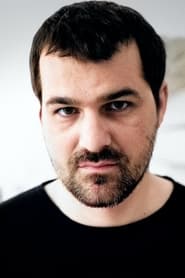
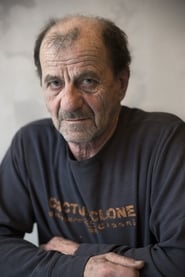
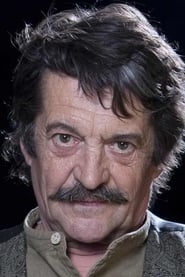
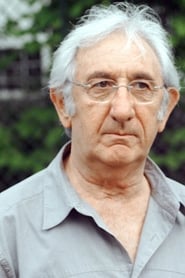




Miklós Jancsó
1921-09-27 · Vác, Hungary
Miklós Jancsó (27 September 1921 – 31 January 2014) was a Hungarian film director and screenwriter. Jancsó achieved international prominence from the mid-1960s onwards, with works including The Round Up (Szegénylegények, 1965), The Red and the White (Csillagosok, katonák, 1967) and Red Psalm (Még kér a nép, 1971). Jancsó's films are characterized by visual stylization, elegantly choreographed shots, long takes, historical periods, rural settings, and a lack of psychoanalyzing. A frequent theme of his films is the abuse of power. His works are often allegorical commentaries on Hungary under Communism and the Soviet occupation, although some critics prefer to stress the universal dimensions of Jancsó's explorations. Towards the end of the 1960s and especially into the 1970s, Jancsó's work became increasingly stylized and overtly symbolic.
He received five nominations for the Best Director Award at the Cannes Film Festival. winning for Red Psalm in 1972. In 1973 he was awarded the prestigious Kossuth Prize in Hungary. He received awards for his life work in 1979 and 1990, at Cannes and Venice respectively.Miklós Jancsó, licensed under CC-BY-SA, full list of contributors on Wikipedia.