


Maude Eburne
Actress
Known for
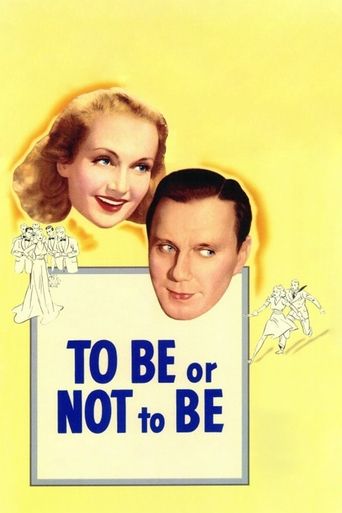


If longevity counts for anything, Maude Eburne is a Canadian actress who has seen the business change around her more than once. The career opened quietly, the way most long ones do. If the filmography has a home genre, it is comedy. 96 credits across 108 years is a rate most careers never reach. 'To Be or Not to Be' is the longest-standing point of contact with the audience. 'Ruggles of Red Gap' is a second title with real reach.
Maude Eburne
Actress
Bronte-on-the-Lake, Ontario, Canada
Nov 10, 1875 – Oct 15, 1960
Age84years
Movies96
If longevity counts for anything, Maude Eburne is a Canadian actress who has seen the business change around her more than once. The career opened quietly, the way most long ones do. If the filmography has a home genre, it is comedy. 96 credits across 108 years is a rate most careers never reach. 'To Be or Not to Be' is the longest-standing point of contact with the audience. 'Ruggles of Red Gap' is a second title with real reach.
Movies
Plays Anna
To Be or Not to Be
1942

Plays Aunt Maggie
Ladies They Talk About
1933

Plays Landlady of the 'Boar's Head Inn'
The Princess and the Pirate
1944

Plays Agatha
There's One Born Every Minute
1942
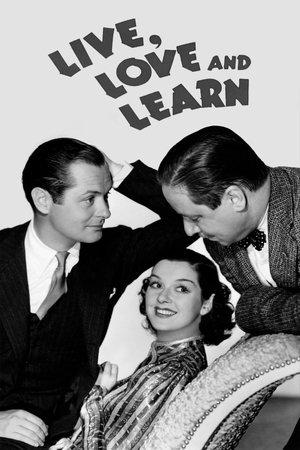
Plays Mrs. Crump
Live, Love and Learn
1937

Plays Etta Mae
Colorado
1940
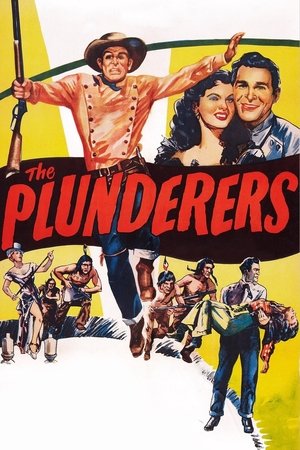
Plays Old Dame at Wedding
The Plunderers
1948
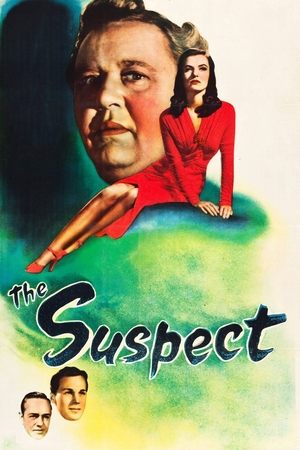
Plays Mrs. Packer
The Suspect
1945

Plays Aunt Ellen
Robbers' Roost
1932

Plays Mrs. Minnow
Undercover Agent
1939

Plays Maggie Devlin
Valiant Is the Word for Carrie
1936

Plays Droopy's Mother
Here Comes the Navy
1934

Plays "Mama"
The Guardsman
1931

Plays Ella
You Belong to Me
1941

Plays 'Ma' Pettingill
Ruggles of Red Gap
1935

Plays Belle Dugan
Doughnuts and Society
1936
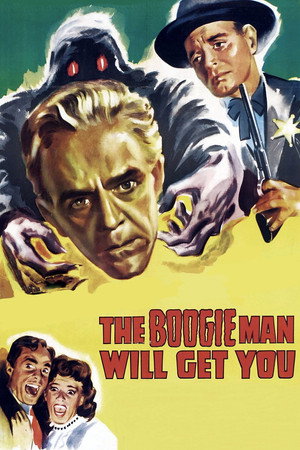
Plays Amelia Jones
The Boogie Man Will Get You
1942

Plays Mrs. Hopkins
Sabotage
1939
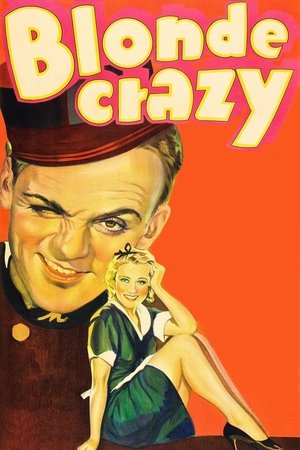
Plays Mrs. Snyder
Blonde Crazy
1931

Plays Mrs. Hastings
Dr. Christian Meets the Women
1940

Plays Aunt Addie
Happiness C.O.D.
1935

Plays Mrs. Conway
East of Fifth Avenue
1933

Plays Nadya
Fight for Your Lady
1937

Plays Aunt Gussie Schnappmann
The Vampire Bat
1933

Plays Maggie Casey
Paradise Express
1937

Plays Mrs. Pickens
Among the Living
1941

Plays Aunt Charlotte
The Passionate Plumber
1932

Plays Mrs. Jennings
Polly of the Circus
1932

Plays Sarah Harkins
Dawn on the Great Divide
1942

Plays Granny Scraggs
Li'l Abner
1940

Plays Mrs. Hastings
They Meet Again
1941
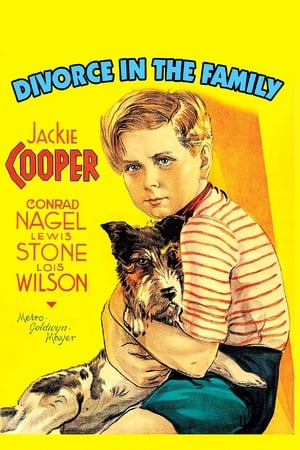
Plays Martha Jenkins
Divorce In The Family
1932

Plays Sadie
Panama Flo
1932
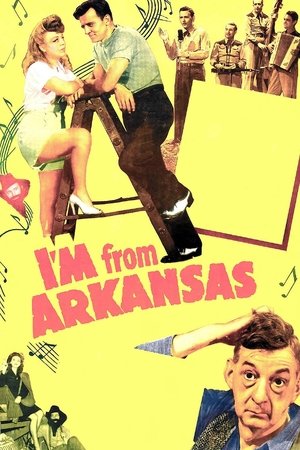
Plays Matilda Jenkins
I'm from Arkansas
1944
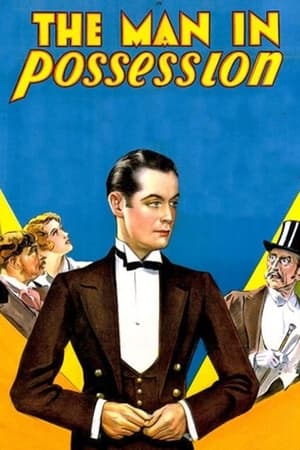
Plays Esther
The Man in Possession
1931

Plays Hurricane Hattie McGuire
The Border Legion
1940

Plays Little Ellen Purdy
Don't Bet on Blondes
1935

Plays Violet Butler
Hollywood Cowboy
1937

Plays Maid
Local Boy Makes Good
1931
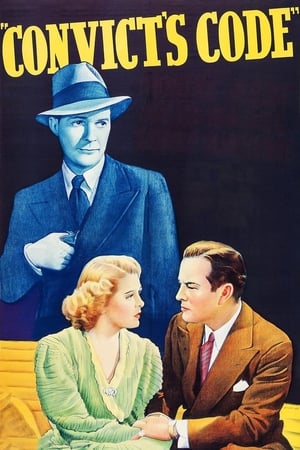
Plays Mrs. Magruder
Convict's Code
1939

Plays Mrs. Hastings
The Courageous Dr. Christian
1940
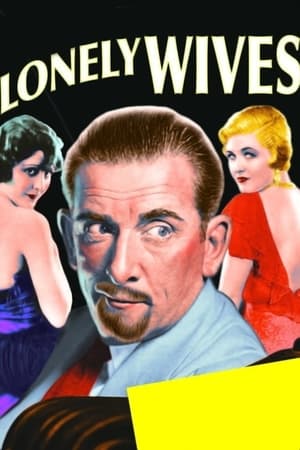
Plays Mrs. Mantel
Lonely Wives
1931

Plays Lizzie Allen
The Bat Whispers
1930
Plays Miss Minnie Lescalle
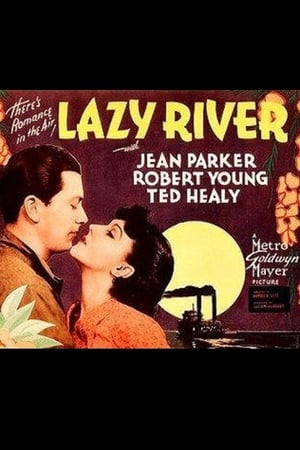
Lazy River
1934
Plays Sarah Tucker
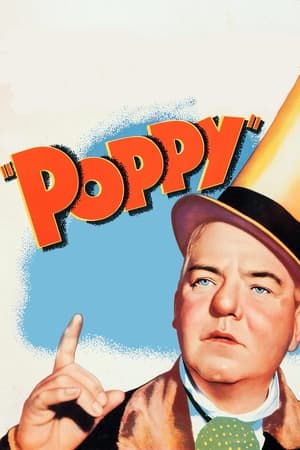
Poppy
1936

Plays Mother Hodges
Lady Bodyguard
1943

Plays Mrs. McCarthy
Under Eighteen
1932

Plays Grandma Lane
Man from Oklahoma
1945

Plays Clara West
Party Wire
1935

Plays Granma Quill
Rosie the Riveter
1944
Latest Trailers

Watch Trailer
The Princess and the Pirate
Full Filmography 96
Arson, Inc.
Grandma
1949
The Lawton Story
Henrietta
1949
The Plunderers
Old Dame at Wedding
1948
Slippy McGee
Mrs. Dexter
1948
Hitchhike to Happiness
Mrs. Randall
1945
Man from Oklahoma
Grandma Lane
1945
The Suspect
Mrs. Packer
1945
The Princess and the Pirate
Landlady of the 'Boar's Head Inn'
1944
Bowery to Broadway
Mame Alda
1944
Photos


Frequently Asked Questions
Is Maude Eburne still alive?
Maude Eburne passed away on October 15, 1960 at age 84.
What are the most famous roles of Maude Eburne?
Maude Eburne is best known for roles in To Be or Not to Be, Ruggles of Red Gap, The Vampire Bat.
How many movies has Maude Eburne been in?
Over a 42-year career (since 1918), Maude Eburne has appeared in 96 movies and 0 TV shows.
What was Maude Eburne's first movie?
The career of Maude Eburne began with A Pair of Sixes (1918).
What is Maude Eburne's most recent movie or series?
Maude Eburne's most recent release is Arson, Inc., which premiered on June 24, 1949.
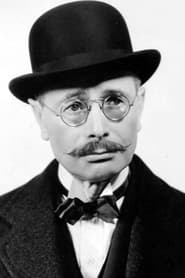
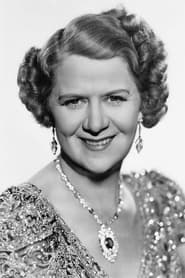



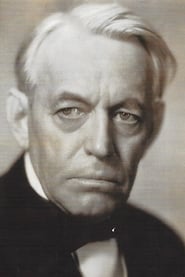
Maude Eburne
1875-11-10 · Bronte-on-the-Lake, Ontario, Canada
Maude Eburne (born Maud Eburne Riggs, 10 November 1875 – 15 October 1960) was a Canadian character actress of stage and screen, known for playing eccentric roles. Eburne began her career in stock theater in Buffalo, New York. Her early theater work was in Ontario and New York City, debuting on Broadway to great acclaim as "Coddles" in the 1914 farce A Pair of Sixes. "When I first came to New York... I said I didn't want to be beautiful young girls or stately leading women, but wanted parts that had something queer in them, especially if there were dialect."
She continued to play mainly humorous domestic roles on stage, appearing in productions such as The Half Moon (1920), Lady Butterfly (1923), Three Cheers (1928) and Many a Slip (1930), before her first significant film role — and first sound film role — in The Bat Whispers (1930), director Roland West's sound remake of his 1926 silent feature The Bat.