Actors
All filmographies
Movies
Explore every movie
Series
Most watched shows
Play
Trivia, challenges & battles
🍿
Home Actors Movies Series Play
Language: English

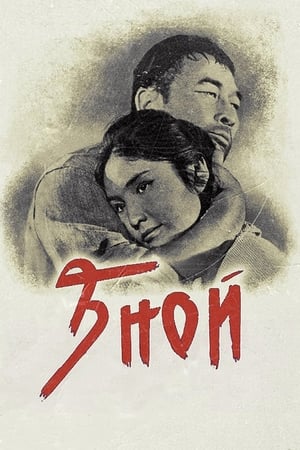
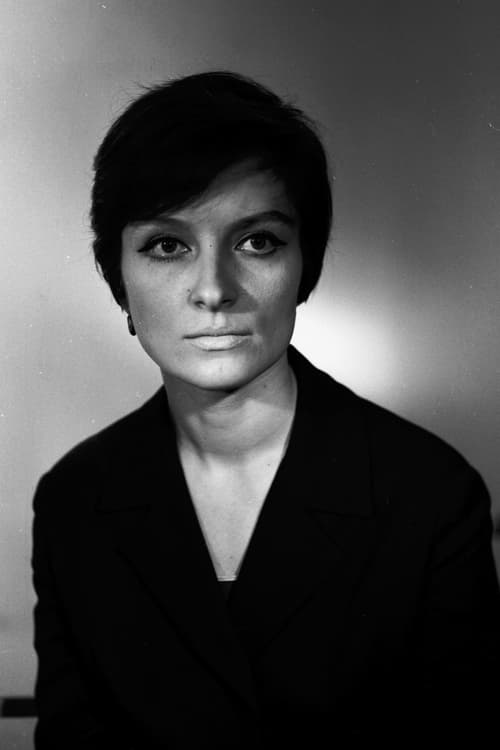
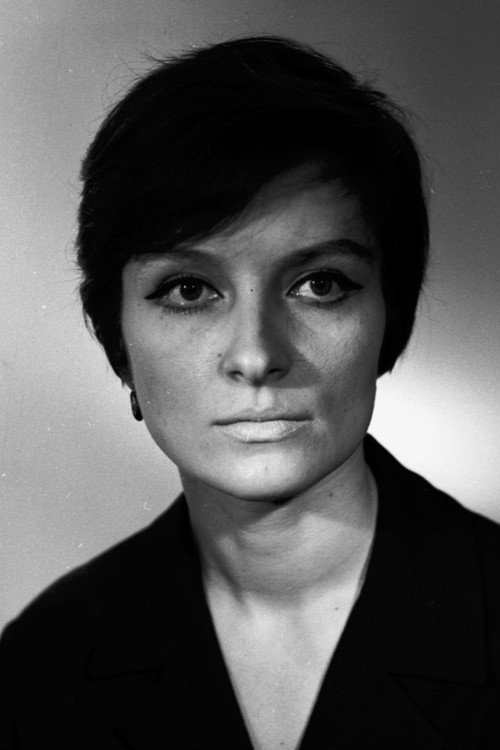
Larysa Efimovna Shepitko (6 January 1938, Artemivsk, Ukrainian SSR – 2 June 1979, Kalinin Oblast) was a Ukrainian Soviet film director. She went to the All-Union State Institute of Cinematography in Moscow as a student of Olexander Dovzhenko. She was a student of Dovzhenko’s for 18 months until he died in 1956. Shepitko graduated from VGIK in 1963 with her prize winning diploma film Heat, made when she was 22 years old. It tells the story of a new farming community in Central Asia during the mid 1950s.

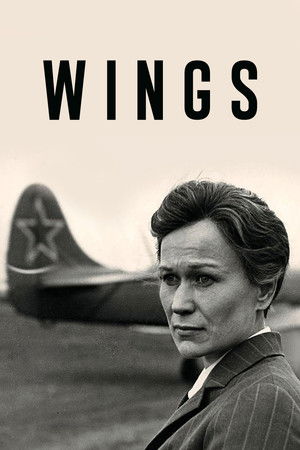
Shepitko’s next film Wings concerns a much-decorated female fighter pilot of World War II. The pilot, now principal of a vocational college, is out of touch with her daughter and the new generation. The film aroused considerable Soviet press controversy at the time, as films were not meant to depict conflicts between children and parents (Vronskaya, 1972 p 39).

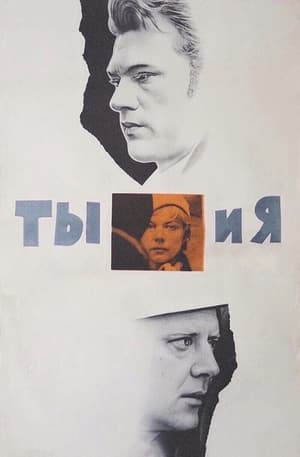
Shepitko’s third film was You and I (1971). This was her only film in colour. It was favourably received at the Venice Film Festival, but lacked proper public exposure in the Soviet Union.

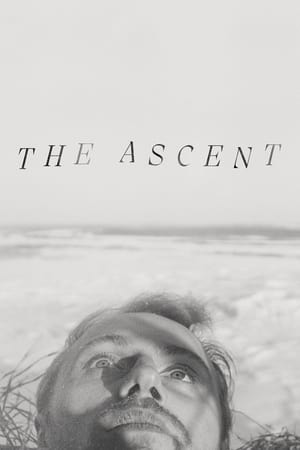
The Ascent (1976) was her last film and the one which garnered the most attention in the West. In it, Shepitko returns to the sufferings of World War II, chronicling the trials and tribulations of a group of partisans in Belarus in the bleak winter of 1942. Two of the partisans are captured by the Nazis and then interrogated by a local collaborator, played by Anatoly Solonitsyn, before one of them is executed in public. This depiction of the martyrdom of the Russians owes much to Christian iconography. The Ascent won the Golden Bear at the 27th Berlin International Film Festival in 1977.

Shepitko’s growing international reputation led to an invitation to serve on the jury at the 28th Berlin International Film Festival in 1978. However, she was unable to complete any other films. Shepitko died in a car crash with four members of her shooting team in 1979 while scouting locations for her planned adaptation of the novel Farewell to Matyora, by Valentin Rasputin. Her husband Elem Klimov, also a film director, finished the work for her.
Actor Evolution
116.0K subscribers
Larisa Shepitko
Larisa Shepitko
41 years (Jan 6, 1938 – Jul 2, 1979)
Artyomovsk, Ukrainian SSR, USSR [now Artemivsk, Donetsk Oblast, Ukraine]
7 Directed
0 TV Directed

Larisa Shepitko

Larisa Shepitko was a Soviet-Ukrainian director born in Artyomovsk, celebrated for intensely spiritual, morally uncompromising films made within the constraints of Soviet cinema. Wings, an early work examining a former wartime fighter pilot's alienation from postwar Soviet society, established her interest in interior psychological struggle rarely foregrounded in state-sanctioned cinema. The Ascent, following two partisans captured by Nazi collaborators during World War II and forced toward a stark moral reckoning, won the Golden Bear at Berlin and became one of the most acclaimed Soviet films ever made, renowned for its severe, almost religious visual intensity confronting martyrdom and betrayal. Shepitko died in a car accident at forty while scouting locations for her next film, cutting short a career whose spiritual and moral seriousness had already marked her as one of Soviet cinema's most significant directors.
Latest Trailers
Agony: The Life and Death of Rasputin
Watch Trailer
Agony: The Life and Death of Rasputin
Advertisement
Advertisement
Frequently Asked Questions
Is Larisa Shepitko still alive?
Larisa Shepitko passed away on July 2, 1979 at age 41.
What are the most famous roles of Larisa Shepitko?
Larisa Shepitko is best known for directing The Ascent, Wings, Farewell.
How many movies has Larisa Shepitko directed?
Over a 23-year career (since 1956), Larisa Shepitko has directed or written 7 films and worked on 0 TV shows.
What was Larisa Shepitko's first movie?
The career of Larisa Shepitko began with Slepoy Kukhar (1956).
What is Larisa Shepitko's most recent movie or series?
Larisa Shepitko's most recent release is Farewell, which premiered on February 23, 1983.
Loading...
Larisa Shepitko
Larisa Shepitko
1938-01-06 · Artyomovsk, Ukrainian SSR, USSR [now Artemivsk, Donetsk Oblast, Ukraine]

Larysa Efimovna Shepitko (6 January 1938, Artemivsk, Ukrainian SSR – 2 June 1979, Kalinin Oblast) was a Ukrainian Soviet film director. She went to the All-Union State Institute of Cinematography in Moscow as a student of Olexander Dovzhenko. She was a student of Dovzhenko's for 18 months until he died in 1956. Shepitko graduated from VGIK in 1963 with her prize winning diploma film Heat, made when she was 22 years old. It tells the story of a new farming community in Central Asia during the mid 1950s.

Shepitko's next film Wings concerns a much-decorated female fighter pilot of World War II. The pilot, now principal of a vocational college, is out of touch with her daughter and the new generation. The film aroused considerable Soviet press controversy at the time, as films were not meant to depict conflicts between children and parents (Vronskaya, 1972 p 39).

Shepitko's third film was You and I (1971). This was her only film in colour. It was favourably received at the Venice Film Festival, but lacked proper public exposure in the Soviet Union.

The Ascent (1976) was her last film and the one which garnered the most attention in the West. In it, Shepitko returns to the sufferings of World War II, chronicling the trials and tribulations of a group of partisans in Belarus in the bleak winter of 1942. Two of the partisans are captured by the Nazis and then interrogated by a local collaborator, played by Anatoly Solonitsyn, before one of them is executed in public. This depiction of the martyrdom of the Russians owes much to Christian iconography. The Ascent won the Golden Bear at the 27th Berlin International Film Festival in 1977.

Shepitko's growing international reputation led to an invitation to serve on the jury at the 28th Berlin International Film Festival in 1978. However, she was unable to complete any other films. Shepitko died in a car crash with four members of her shooting team in 1979 while scouting locations for her planned adaptation of the novel Farewell to Matyora, by Valentin Rasputin. Her husband Elem Klimov, also a film director, finished the work for her.
Your experience, your call

We use cookies for analytics and ads. Without them, the site works just as well.

Known for