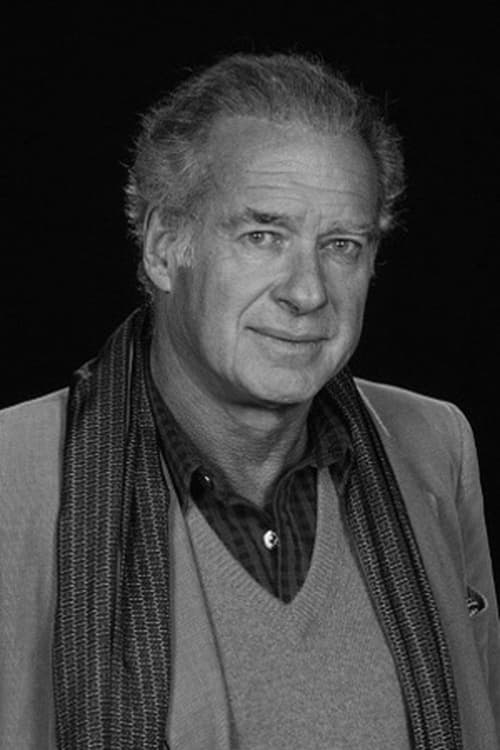
John Frankenheimer
Known for
John Frankenheimer was an American director born in New York City, celebrated for tense, politically paranoid thrillers rendered with technically innovative visual style. The Manchurian Candidate, a Cold War thriller examining brainwashing and political assassination, became one of the most influential political thrillers ever made, renowned for its disorienting dream sequences and prescient anxiety about hidden political manipulation. Seconds and The Train extended his fascination with identity, institutional control, and wartime moral stakes, the latter built around genuinely dangerous practical train stunts. After a period of decline, Ronin, a stylish late-career thriller built around elaborate car chases through the French countryside, showed undiminished technical command decades into his career. Frankenheimer's technically ambitious, politically paranoid style made him one of the defining thriller directors of the 1960s and a significant influence on the genre's subsequent development.
John Frankenheimer
31 Directed
10 Series
John Frankenheimer was an American director born in New York City, celebrated for tense, politically paranoid thrillers rendered with technically innovative visual style. The Manchurian Candidate, a Cold War thriller examining brainwashing and political assassination, became one of the most influential political thrillers ever made, renowned for its disorienting dream sequences and prescient anxiety about hidden political manipulation. Seconds and The Train extended his fascination with identity, institutional control, and wartime moral stakes, the latter built around genuinely dangerous practical train stunts. After a period of decline, Ronin, a stylish late-career thriller built around elaborate car chases through the French countryside, showed undiminished technical command decades into his career. Frankenheimer's technically ambitious, politically paranoid style made him one of the defining thriller directors of the 1960s and a significant influence on the genre's subsequent development.
Movies
Director
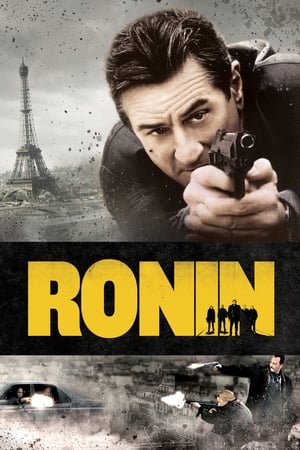
Ronin
1998
Director
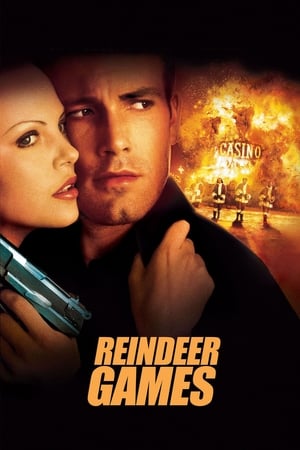
Reindeer Games
2000
Director
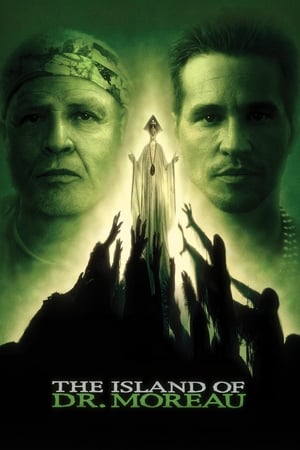
The Island of Dr. Moreau
1996
Director
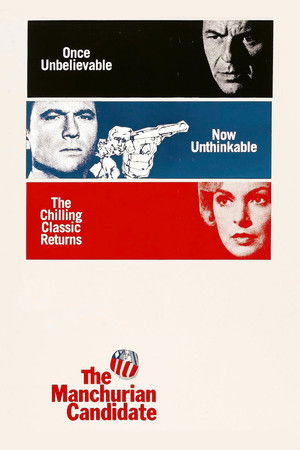
The Manchurian Candidate
1962
Director
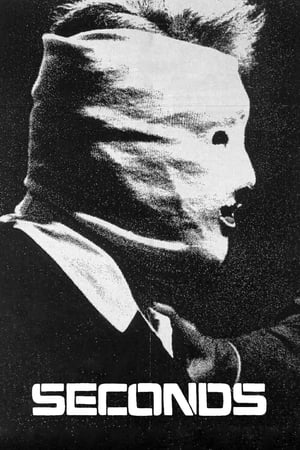
Seconds
1966
Director
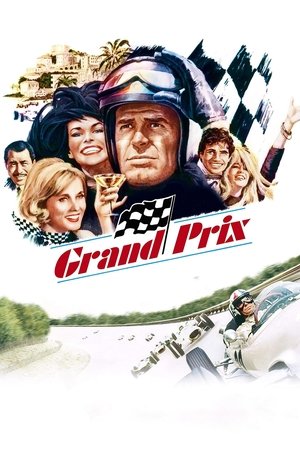
Grand Prix
1966
Director
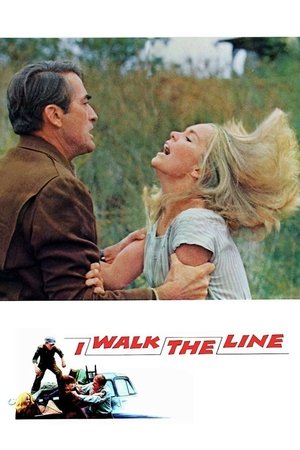
I Walk the Line
1970
Director
French Connection II
1975
Director
Birdman of Alcatraz
1962
Director
Black Sunday
1977
Director
Seven Days in May
1964
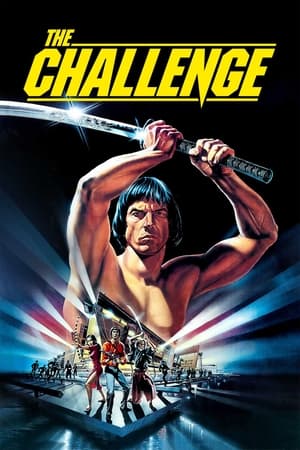
Director
The Challenge
1982
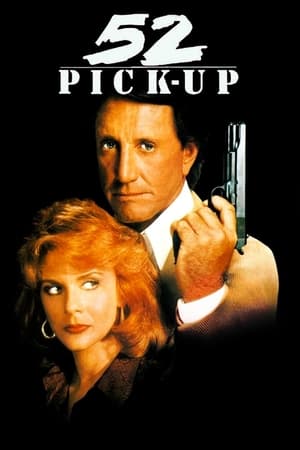
Director
52 Pick-Up
1986
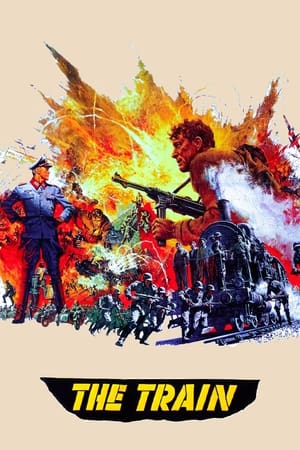
Director
The Train
1964
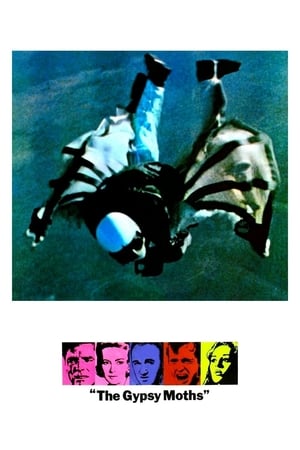
Director
The Gypsy Moths
1969
Director
Prophecy
1979
Director
Year of the Gun
1991
Director
Dead Bang
1989
Director
The Young Savages
1961
Director
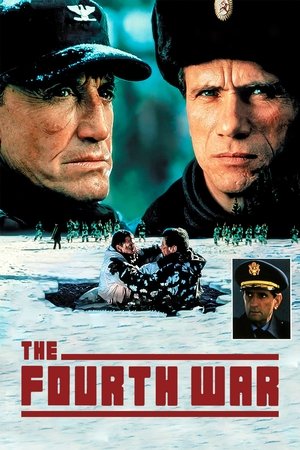
The Fourth War
1990
Director
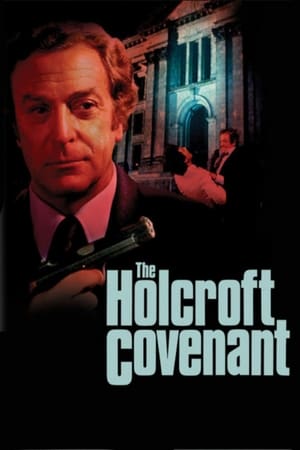
The Holcroft Covenant
1985
Director
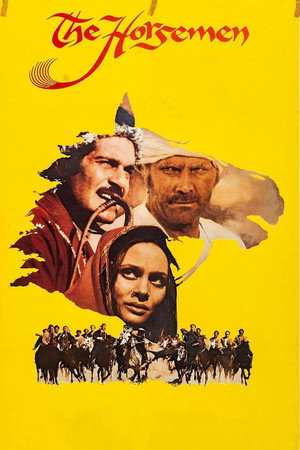
The Horsemen
1971
Director
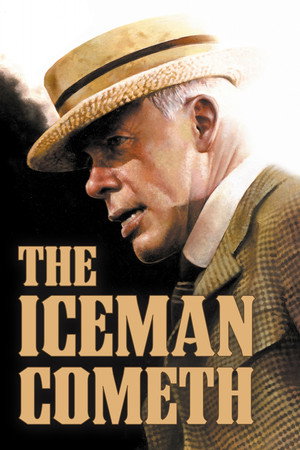
The Iceman Cometh
1973
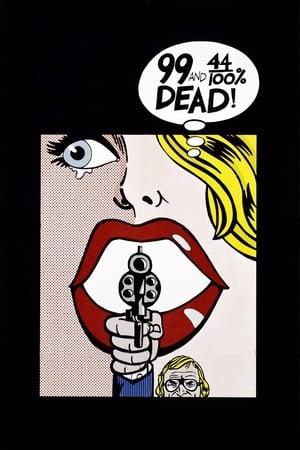
Director
99 and 44/100% Dead
1974
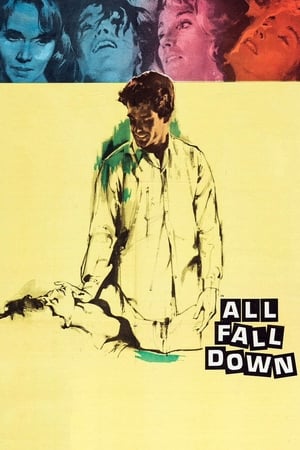
Director
All Fall Down
1962
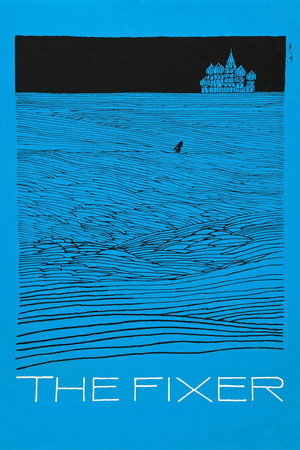
Director
The Fixer
1968
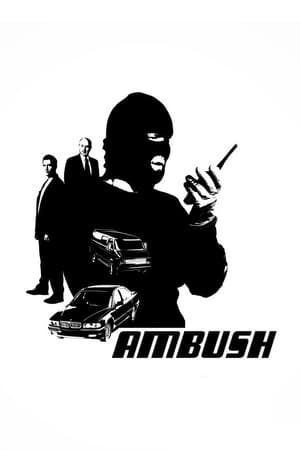
Director
Ambush
2001
Director
Impossible Object
1973
Director
The Young Stranger
1957

Latest Trailers

Watch Trailer
The General's Daughter
Full Filmography
Ambush
Director
2001
Film
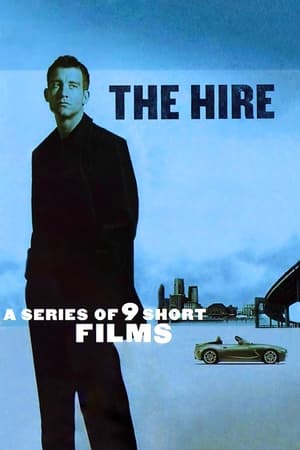
The Hire
Director · 1 episode
2001–
TV
Reindeer Games
Director
2000
Film
Ronin
Director
1998
Film
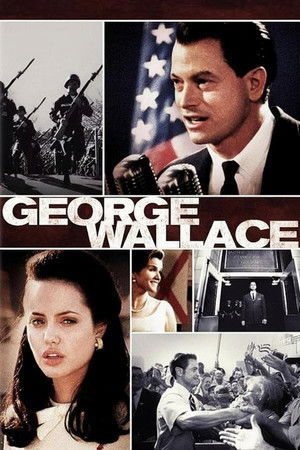
George Wallace
Director · 2 episodes
1997–
TV
The Island of Dr. Moreau
Director
1996
Film
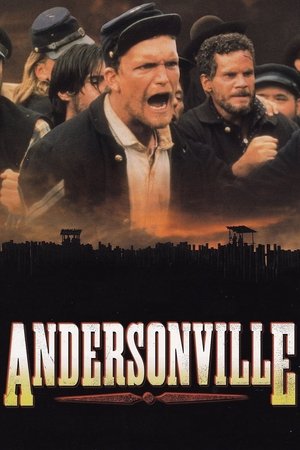
Andersonville
Director · 2 episodes
1996–
TV
Year of the Gun
Director
1991
Film
The Fourth War
Director
1990
Film
Photos
Frequently Asked Questions
Is John Frankenheimer still alive?
John Frankenheimer passed away on July 6, 2002 at age 72.
What are the most famous roles of John Frankenheimer?
John Frankenheimer is best known for directing Ronin, The Manchurian Candidate, Reindeer Games.
How many movies has John Frankenheimer directed?
Over a 46-year career (since 1956), John Frankenheimer has directed or written 31 films and worked on 10 TV shows.
What was John Frankenheimer's first movie?
The career of John Frankenheimer began with Forbidden Area (1956).
What is John Frankenheimer's most recent movie or series?
John Frankenheimer's most recent release is Path to War, which premiered on October 28, 2003.
What TV shows has John Frankenheimer created or directed?
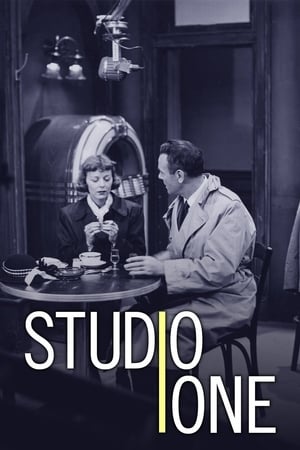
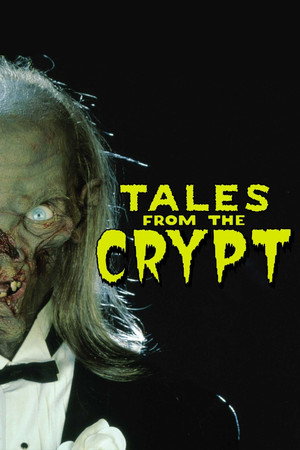
On television, John Frankenheimer has appeared in Tales from the Crypt, The Hire, Studio One, Climax!.
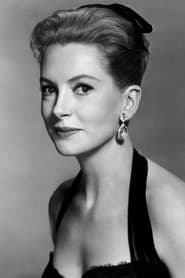

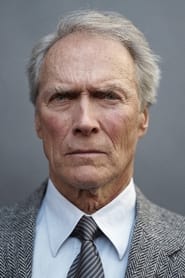
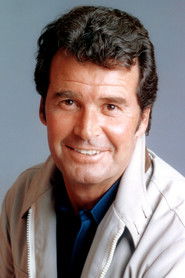
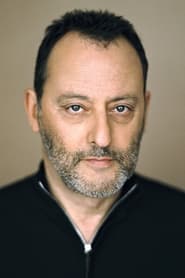
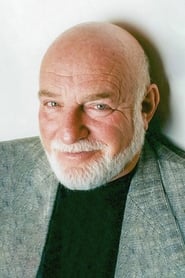


John Frankenheimer
1930-02-19 · New York City, New York, USA
John Michael Frankenheimer (February 19, 1930 – July 6, 2002) was an American film and television director known for social dramas. He won four consecutive Emmy Awards in the 1990s for the television movies Against the Wall, The Burning Season, Andersonville and George Wallace, which also received a Golden Globe award. He was considered one of the last remaining directors who insisted on having complete control over all elements of production, making his style unique in Hollywood.
His 30 feature films and over 50 plays for television were notable for their influence on contemporary thought. He became a pioneer of the "modern-day political thriller," having begun his career at the peak of the Cold War. Many of his films were noted for creating "psychological dilemmas" for his male protagonists along with having a strong "sense of environment," similar in style to films by director Sidney Lumet, for whom he had earlier worked as assistant director. He developed a "tremendous propensity for exploring political situations" which would ensnare his characters.
Movie critic Leonard Maltin writes that "in his time [1960s]... Frankenheimer worked with the top writers, producers and actors in a series of films that dealt with issues that were just on top of the moment—things that were facing us all." Among his credits were The Manchurian Candidate (1962), Birdman of Alcatraz (also 1962), The Train, (1964), Seven Days in May (also 1964) and Ronin (1998).John Frankenheimer, licensed under CC-BY-SA, full list of contributors on Wikipedia.