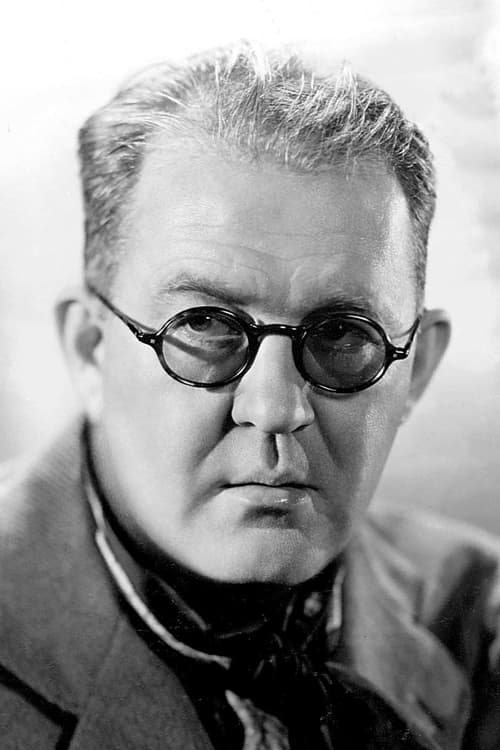


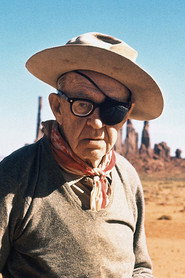

John Ford
Known for
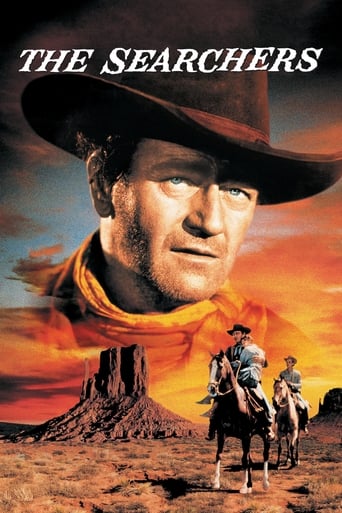
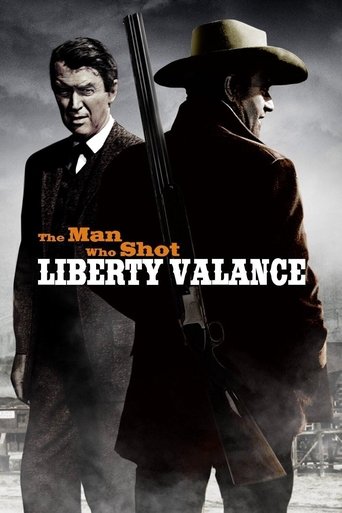
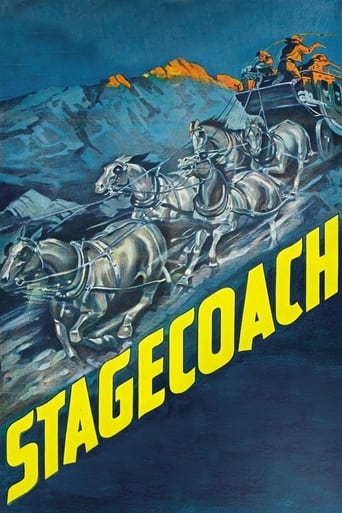
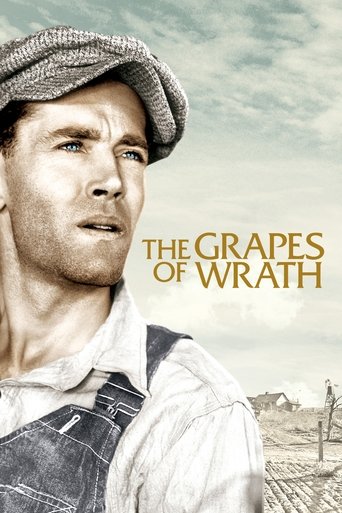
John Ford was an American director born in Cape Elizabeth, Maine, and the filmmaker most responsible for defining the Western as a serious American art form. Stagecoach launched the genre's golden age and made John Wayne a star, while The Searchers, The Man Who Shot Liberty Valance, and My Darling Clementine deepened it with darker, more morally complex frontier stories shot largely in Monument Valley. Beyond the Western, The Grapes of Wrath and The Quiet Man showed a parallel gift for social realism and lyrical Irish sentiment. Ford won a record four Academy Awards for Best Director, and his visual command of landscape and silhouette shaped virtually every filmmaker who worked in the genre after him, from Kurosawa to Sergio Leone.
John Ford
130 Directed
3 Series
John Ford was an American director born in Cape Elizabeth, Maine, and the filmmaker most responsible for defining the Western as a serious American art form. Stagecoach launched the genre's golden age and made John Wayne a star, while The Searchers, The Man Who Shot Liberty Valance, and My Darling Clementine deepened it with darker, more morally complex frontier stories shot largely in Monument Valley. Beyond the Western, The Grapes of Wrath and The Quiet Man showed a parallel gift for social realism and lyrical Irish sentiment. Ford won a record four Academy Awards for Best Director, and his visual command of landscape and silhouette shaped virtually every filmmaker who worked in the genre after him, from Kurosawa to Sergio Leone.
Movies
Director
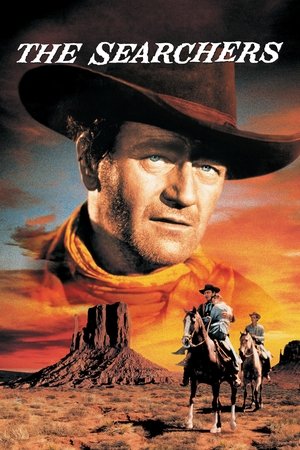
The Searchers
1956
Director
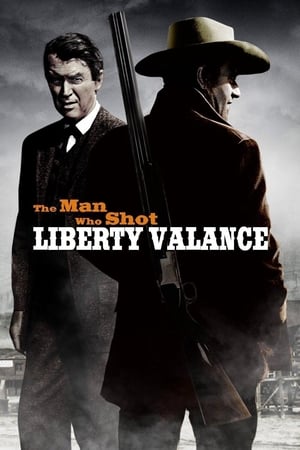
The Man Who Shot Liberty Valance
1962
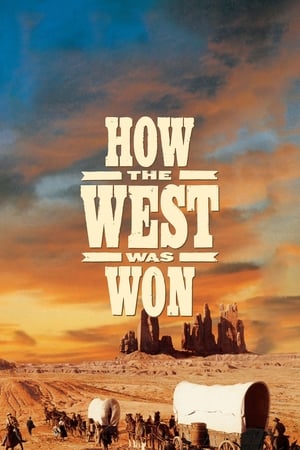
Director
How the West Was Won
1962
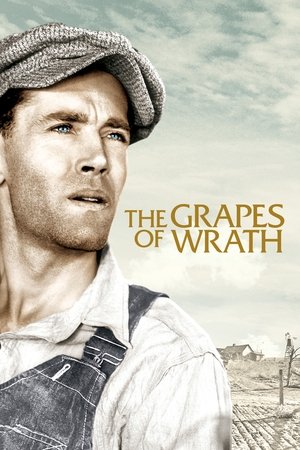
Director
The Grapes of Wrath
1940
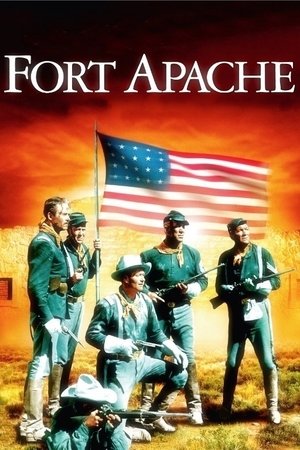
Director
Fort Apache
1948
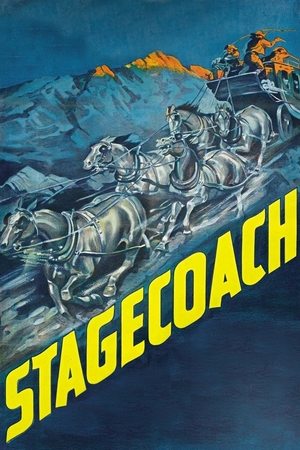
Director
Stagecoach
1939

Director
3 Godfathers
1948
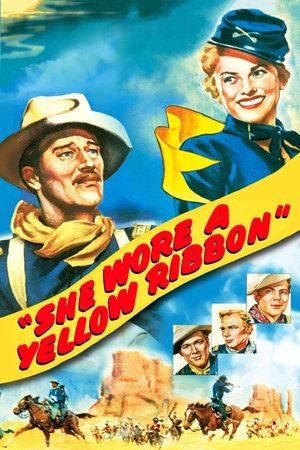
Director
She Wore a Yellow Ribbon
1949
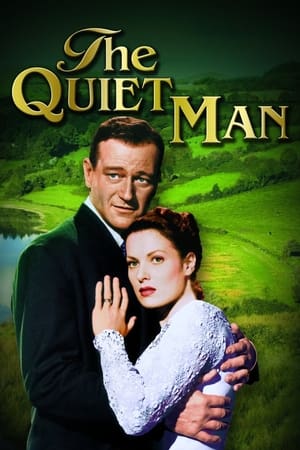
Director
The Quiet Man
1952
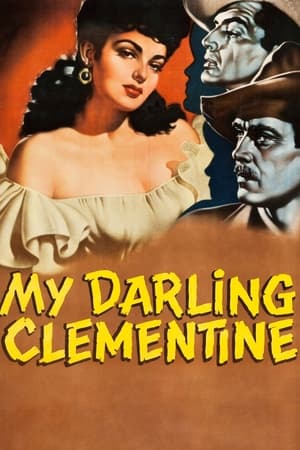
Director
My Darling Clementine
1946
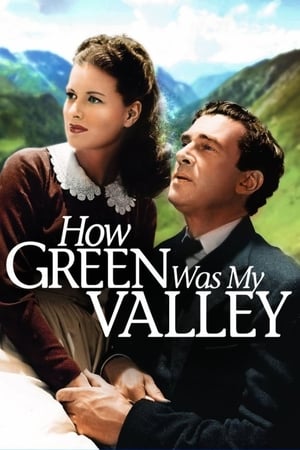
Director
How Green Was My Valley
1941
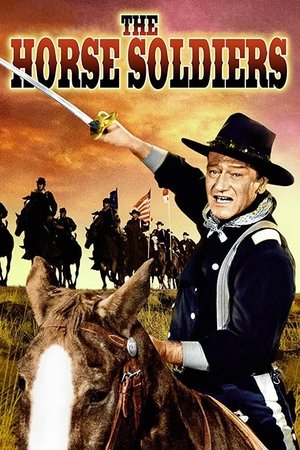
Director
The Horse Soldiers
1959
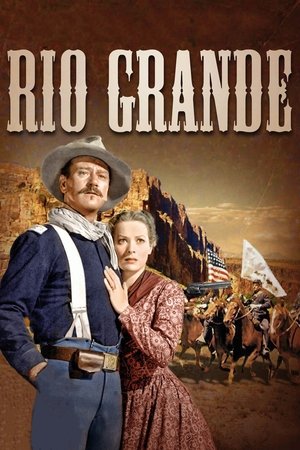
Director
Rio Grande
1950
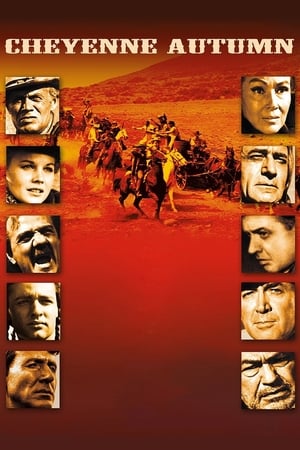
Director
Cheyenne Autumn
1964
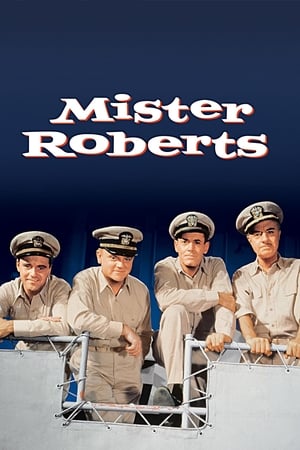
Director
Mister Roberts
1955
Director
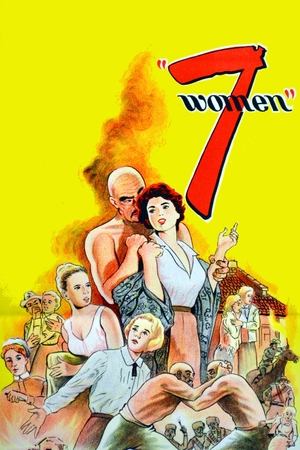
7 Women
1965
Director
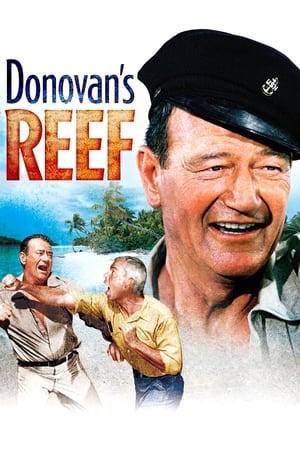
Donovan's Reef
1963
Director
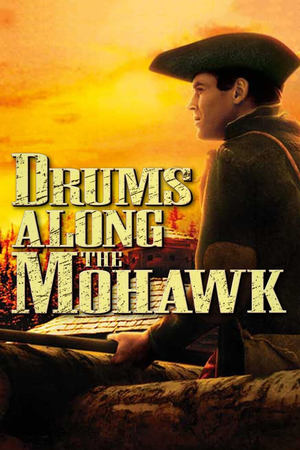
Drums Along the Mohawk
1939
Director
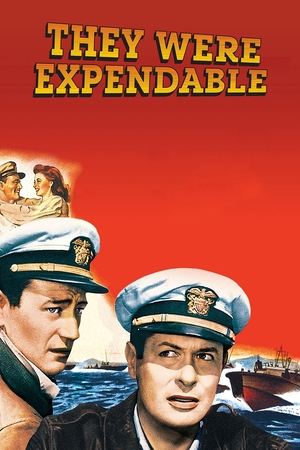
They Were Expendable
1945

Director
Mogambo
1953

Director
The Long Gray Line
1955
Director
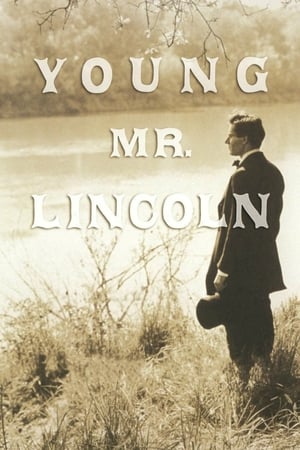
Young Mr. Lincoln
1939
Director
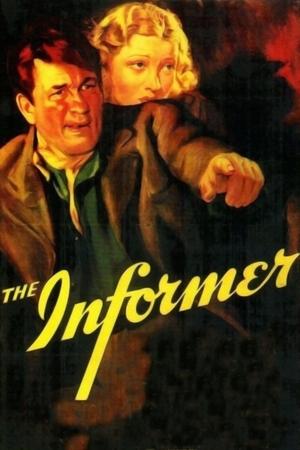
The Informer
1935
Director
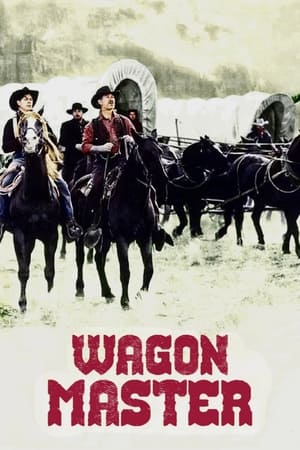
Wagon Master
1950
Director
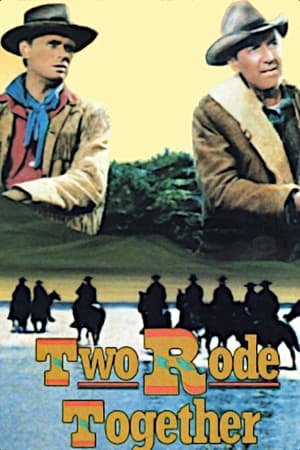
Two Rode Together
1961

Director
Sergeant Rutledge
1960

Director
The Wings of Eagles
1957
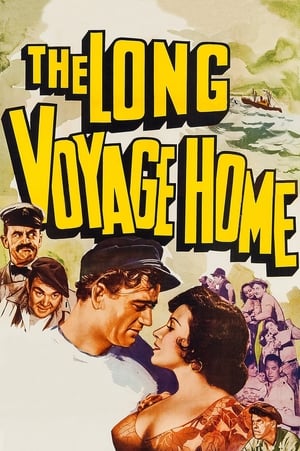
Director
The Long Voyage Home
1940
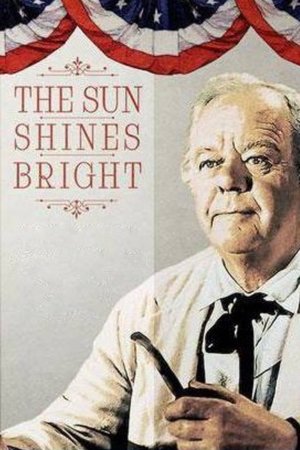
Director
The Sun Shines Bright
1953

Director
The Whole Town's Talking
1935
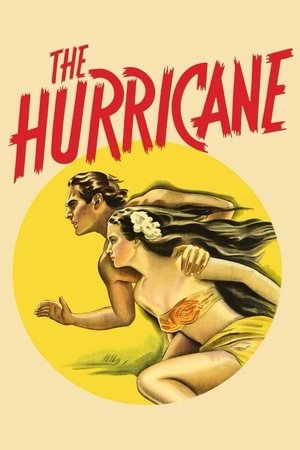
Director
The Hurricane
1937

Director
The Lost Patrol
1934

Director
Action
1921

Director
Bare Fists
1919
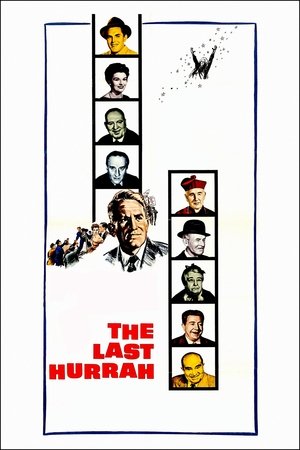
Director
The Last Hurrah
1958

Director
Gideon's Day
1958
Director
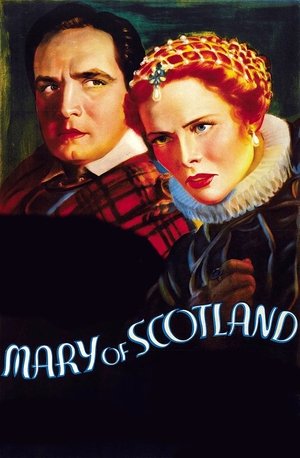
Mary of Scotland
1936
Director
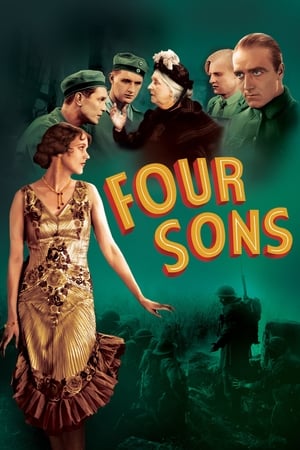
Four Sons
1928

Director
The Prisoner of Shark Island
1936
Director
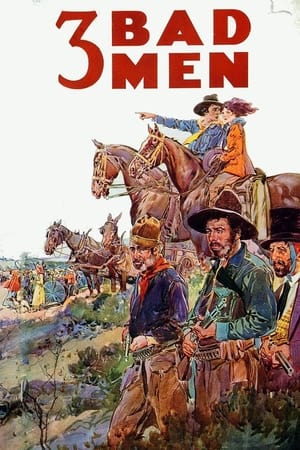
3 Bad Men
1926
Director
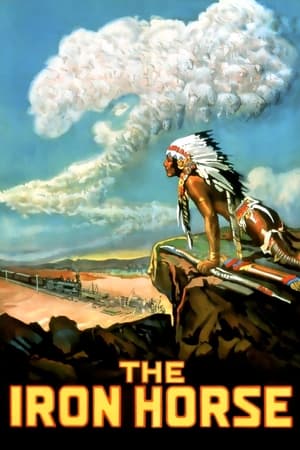
The Iron Horse
1925

Director
Judge Priest
1934

Director
Tobacco Road
1941

Director
Born Reckless
1930

Director
The Rising of the Moon
1957

Director
Steamboat Round the Bend
1935

Director
What Price Glory
1952
Director
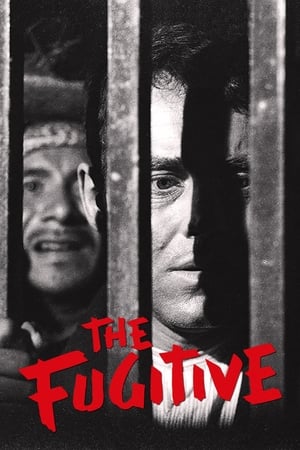
The Fugitive
1947

Director
Men Without Women
1930
Director
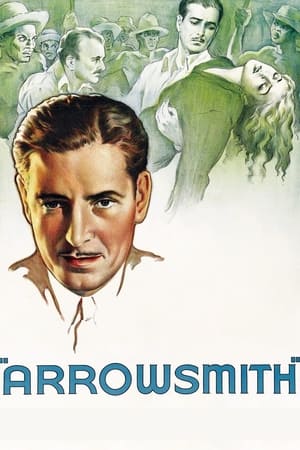
Arrowsmith
1931
Latest Trailers
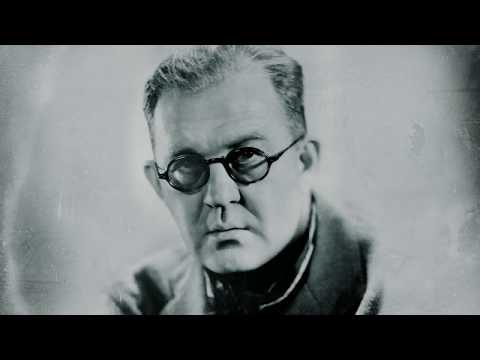
Watch Trailer
Directed by John Ford
Full Filmography
7 Women
Director
1965
Film
Cheyenne Autumn
Director
1964
Film
Donovan's Reef
Director
1963
Film
How the West Was Won
Director
1962
Film
The Man Who Shot Liberty Valance
Director
1962
Film
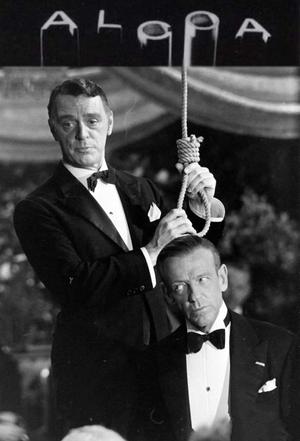
Alcoa Premiere
Director · 1 episode
1961–
TV
Two Rode Together
Director
1961
Film
The Colter Craven Story
Director
1960
Film
Sergeant Rutledge
Director
1960
Film
Photos



Frequently Asked Questions
Is John Ford still alive?
John Ford passed away on August 31, 1973 at age 79.
What are the most famous roles of John Ford?
John Ford is best known for directing The Searchers, The Man Who Shot Liberty Valance, Stagecoach.
How many movies has John Ford directed?
Over a 56-year career (since 1917), John Ford has directed or written 130 films and worked on 3 TV shows.
What was John Ford's first movie?
The career of John Ford began with The Tornado (1917).
What is John Ford's most recent movie or series?
John Ford's most recent release is Battleground, which premiered on January 1, 2004.
What TV shows has John Ford created or directed?
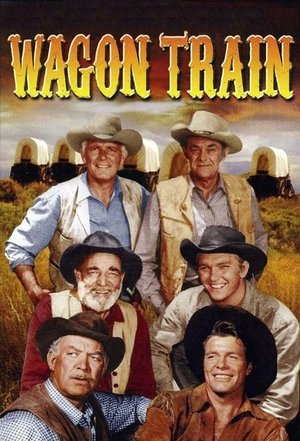
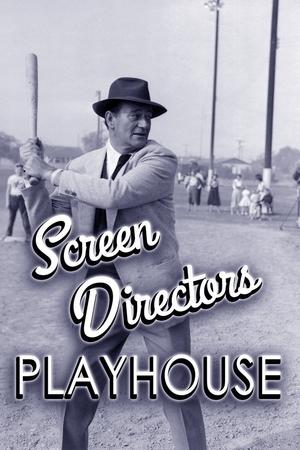
On television, John Ford has appeared in Wagon Train, The Jane Wyman Show, Screen Director's Playhouse, Alcoa Premiere.

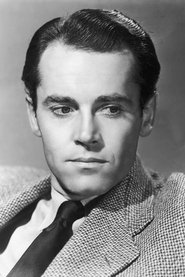
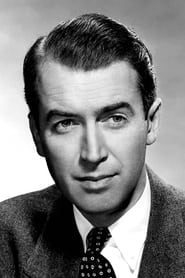
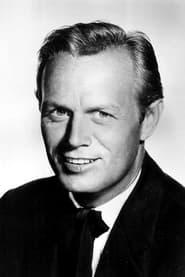
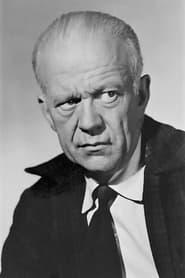

John Ford
1894-02-01 · Cape Elizabeth, Maine, USA
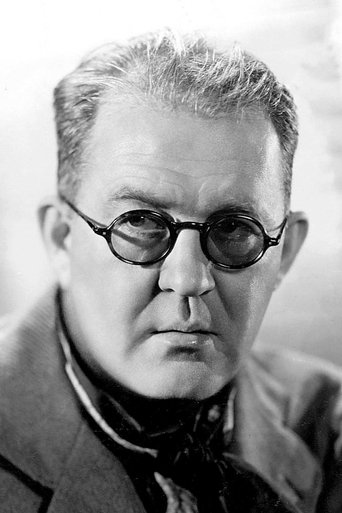
John Ford (February 1, 1894 – August 31, 1973) was an American film director. He was famous for both his westerns such as Stagecoach (1939), The Searchers (1956), and The Man Who Shot Liberty Valance (1962), and adaptations of such classic 20th-century American novels as The Grapes of Wrath (1940). His four Academy Awards for Best Director (1935, 1940, 1941, 1952) is a record, and one of those films, How Green Was My Valley (1941), also won Best Picture.
In a career that spanned more than 50 years, Ford directed more than 140 films (although nearly all of his silent films are now lost) and he is widely regarded as one of the most important and influential filmmakers of his generation. Ford's films and personality were held in high regard by his colleagues, with Ingmar Bergman and Orson Welles among those who have named him as one of the greatest directors of all time.
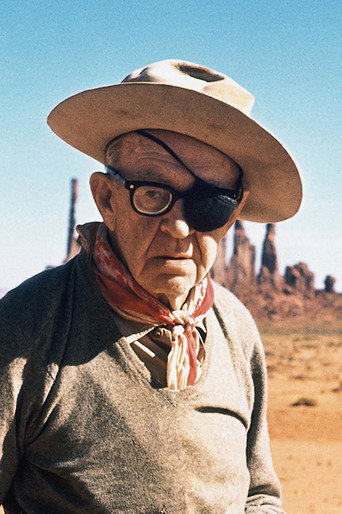
In particular, Ford was a pioneer of location shooting and the long shot which frames his characters against a vast, harsh and rugged natural terrain.