


Jia Zhangke
Known for
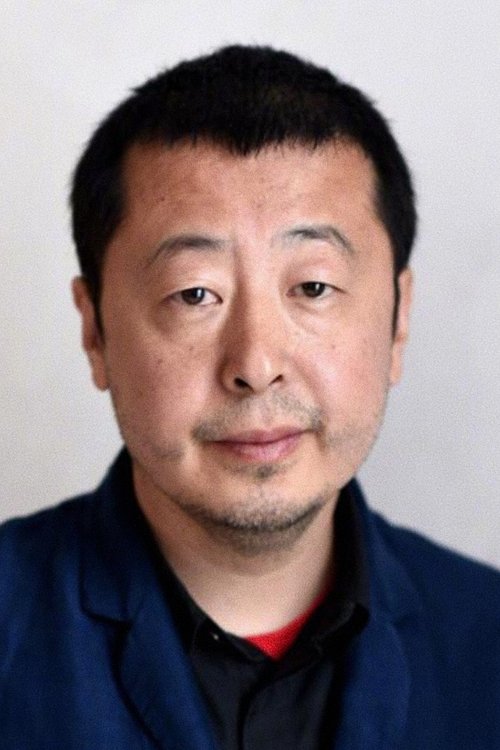
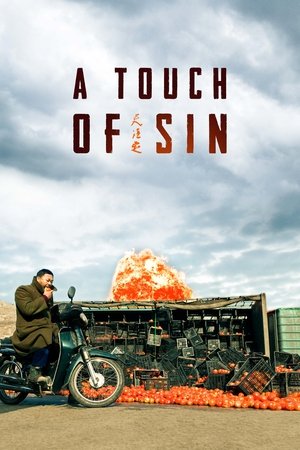
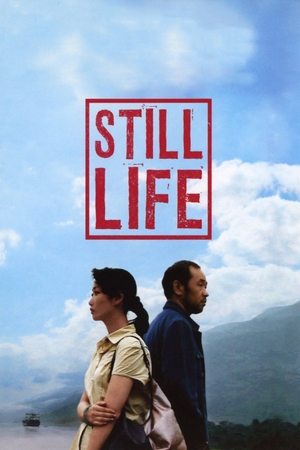
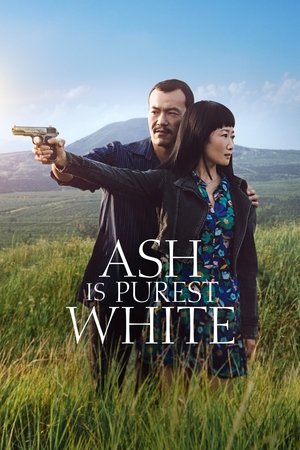
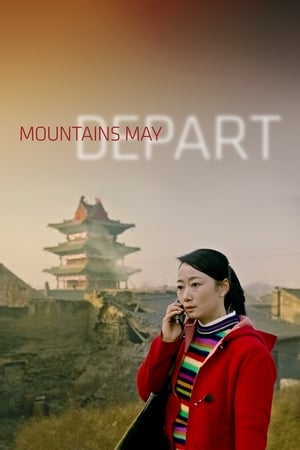
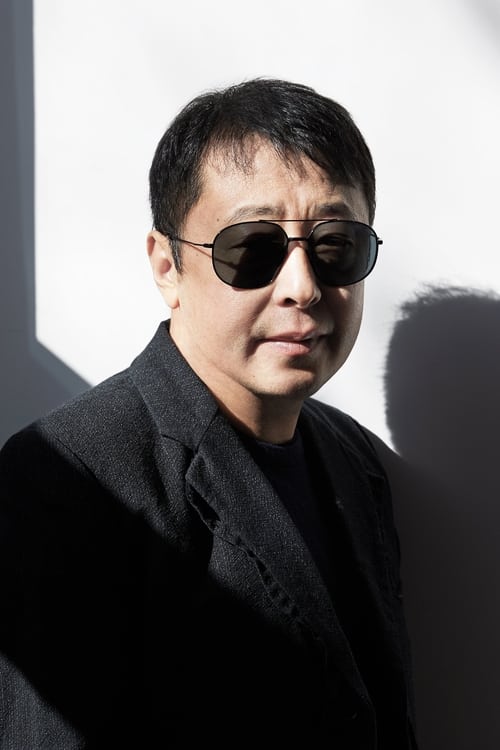
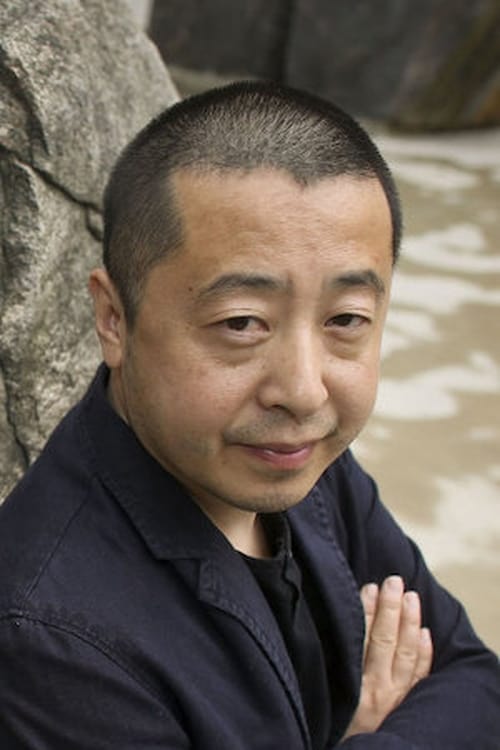
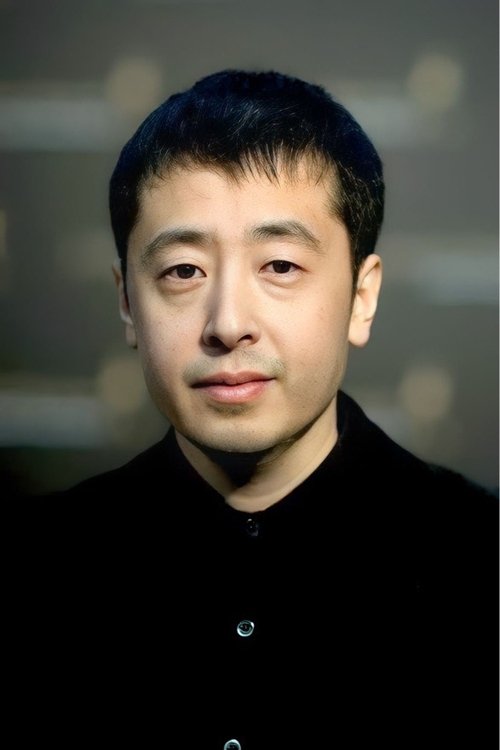
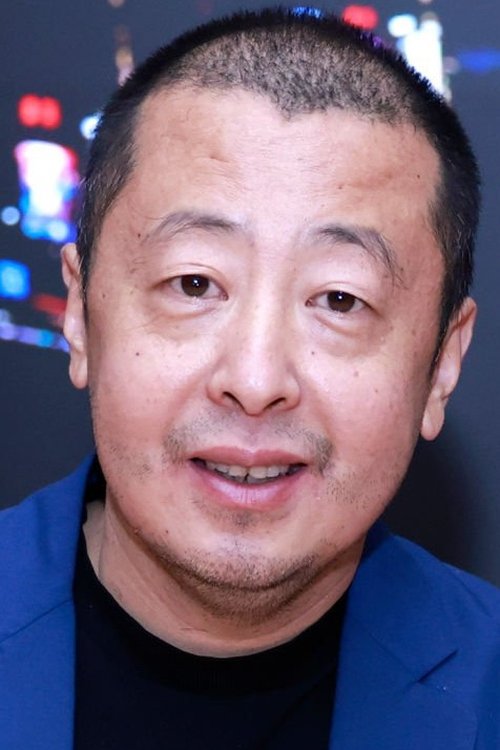
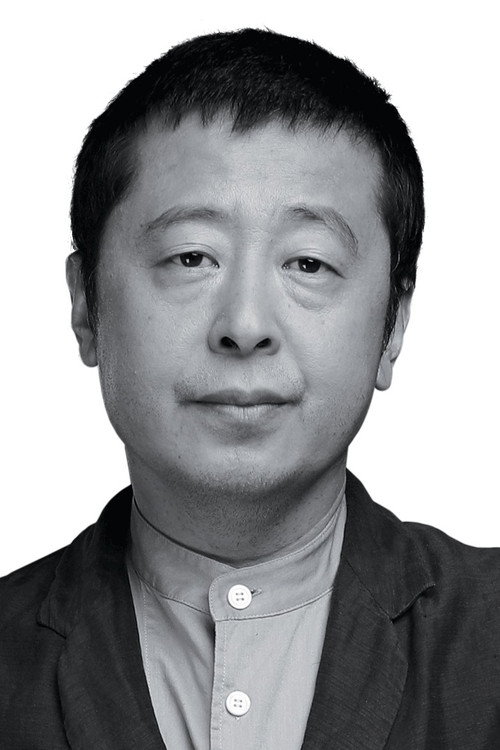
Jia Zhangke is a Chinese director born in Fenyang, Shanxi, one of the leading figures of China's Sixth Generation of independent filmmakers examining the human cost of the country's rapid economic transformation. Platform and Still Life, the latter set amid the displacement caused by the Three Gorges Dam, established his patient, observational style documenting ordinary people navigating China's shifting social and economic landscape. A Touch of Sin used four loosely connected, violence-driven stories to examine the darker undercurrents of Chinese modernization, while Mountains May Depart and Ash Is Purest White extended his focus on personal relationships strained by decades of rapid social change. Jia's consistent, documentary-influenced examination of ordinary lives disrupted by China's economic transformation has made him one of the most internationally significant chroniclers of contemporary Chinese society.
Jia Zhangke
24 Directed
Jia Zhangke is a Chinese director born in Fenyang, Shanxi, one of the leading figures of China's Sixth Generation of independent filmmakers examining the human cost of the country's rapid economic transformation. Platform and Still Life, the latter set amid the displacement caused by the Three Gorges Dam, established his patient, observational style documenting ordinary people navigating China's shifting social and economic landscape. A Touch of Sin used four loosely connected, violence-driven stories to examine the darker undercurrents of Chinese modernization, while Mountains May Depart and Ash Is Purest White extended his focus on personal relationships strained by decades of rapid social change. Jia's consistent, documentary-influenced examination of ordinary lives disrupted by China's economic transformation has made him one of the most internationally significant chroniclers of contemporary Chinese society.
Movies
Director
A Touch of Sin
2013
Director
Still Life
2006
Director
Ash Is Purest White
2018
Director
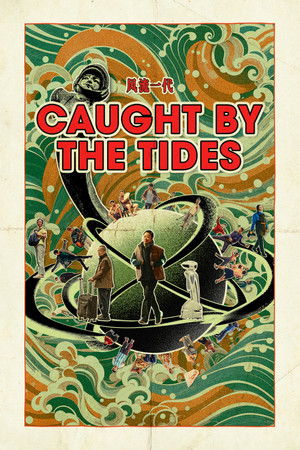
Caught by the Tides
2024
Director
Mountains May Depart
2015
Director
Pickpocket
1997
Director
Visit
2020
Director
Unknown Pleasures
2002
Director
The World
2004
Director
The Hedonists
2016
Director
Platform
2001
Director
Cry Me a River
2008
Director
Our Ten Years
2007
Director
Out of Jungle
2023
Director
Smog Journeys
2015
Director
Where Has Time Gone?
2017
Director
Xiao Shan Going Home
1995
Latest Trailers

Watch Trailer
Being Towards Death
Full Filmography
Proudly Amateur
Director
2026
Film
Torino Shadow
Director
2026
Film
Jia Zhangke's Dance
Director
2026
Film
Wheat Harvest
Director
2024
Film
Caught by the Tides
Director
2024
Film
Out of Jungle
Director
2023
Film
Peacock, Peacock
Director
2022
Film
Visit
Director
2020
Film
Ash Is Purest White
Director
2018
Film
Photos

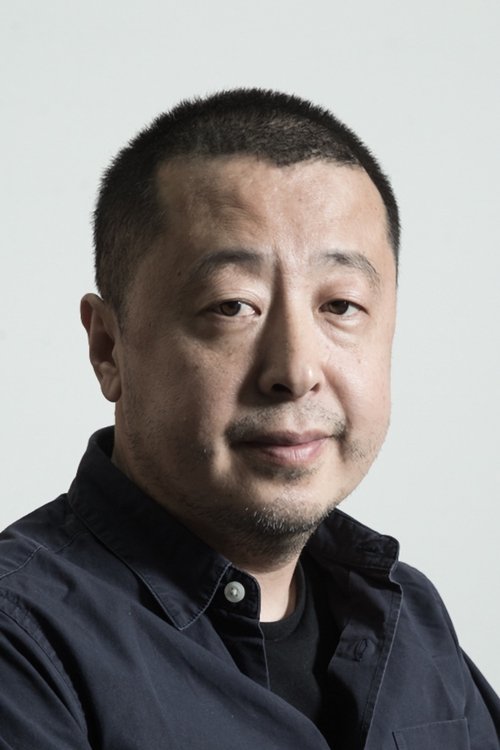
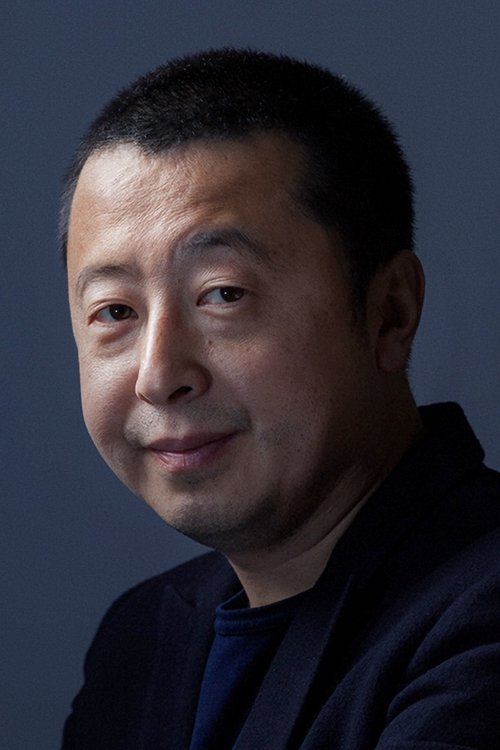
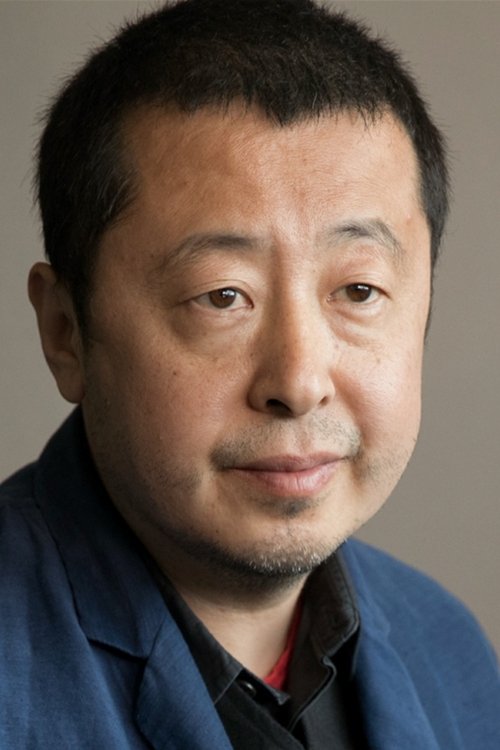
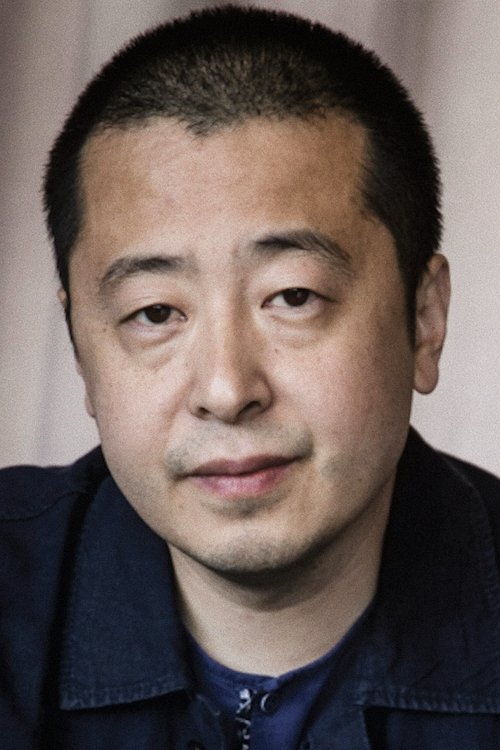
Frequently Asked Questions
How old is Jia Zhangke and where are they from?
Jia Zhangke is 56 years old, born on May 24, 1970 in Fenyang, Shanxi, China.
What are the most famous roles of Jia Zhangke?
Jia Zhangke is best known for directing A Touch of Sin, Ash Is Purest White, Mountains May Depart.
How many movies has Jia Zhangke directed?
Over a 32-year career (since 1994), Jia Zhangke has directed or written 24 films and worked on 0 TV shows.
What was Jia Zhangke's first movie?
The career of Jia Zhangke began with In the Qing Dynasty ().
What is Jia Zhangke's most recent movie or series?
Jia Zhangke's most recent release is Proudly Amateur, which premiered on May 25, 2026.







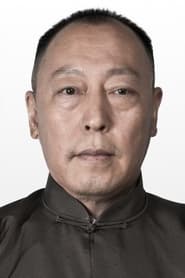

Jia Zhangke
1970-05-24 · Fenyang, Shanxi, China
Jia Zhangke (Chinese: 贾樟柯; pinyin: Jiǎ Zhāngkē, born 24 May 1970; Fenyang) is a Chinese film and television director, screenwriter, producer, actor and writer. He is the dean of the Shanxi Film Academy of Shanxi Media College and the dean of the Vancouver Film School of Shanghai University. He graduated from the Literature Department of Beijing Film Academy. He is generally regarded as a leading figure of the "Sixth Generation" movement of Chinese cinema, a group that also includes such figures as Wang Xiaoshuai, Lou Ye, Wang Quan'an and Zhang Yuan.
Jia's early films, a loose trilogy based in his home province of Shanxi, were made outside of China's state-run film bureaucracy, and therefore are considered "underground" films. Beginning in 2004, Jia's status in his own country rose when he was allowed to direct his fourth feature film, The World, with state approval. Jia's films have received critical praise and have been recognized internationally, notably winning the Venice Film Festival's top award Golden Lion for Still Life. He received the Leopard of Honour at the Locarno Film Festival in 2010, the Carrosse d'Or lifetime achievement award at the Cannes Film Festival in 2015, and an honorary award at the Visions du Réel in 2024. Slovenian philosopher Slavoj Žižek hailed him as "one of the top directors in the world today.".