

Jean Renoir
Known for
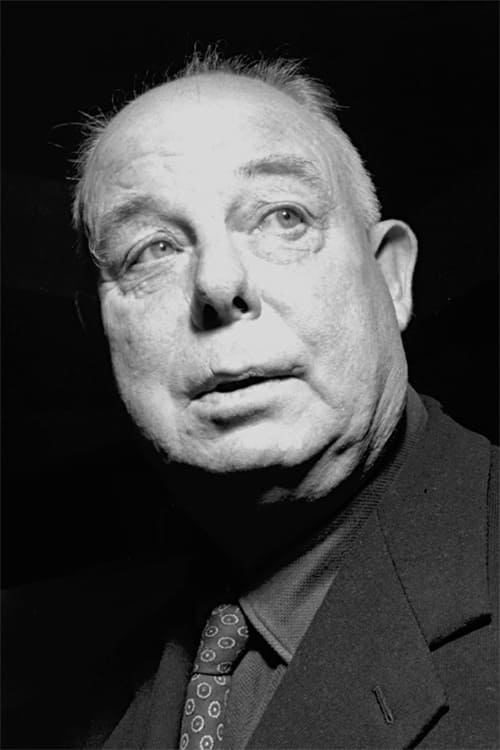
Jean Renoir was a French director born in Paris, the son of painter Pierre-Auguste Renoir, and one of the founding figures of what came to be called poetic realism. Grand Illusion, a humane study of class and nationality among prisoners of war, and The Rules of the Game, a scathing yet tender portrait of French aristocracy on the eve of war, are considered among the greatest films ever made. His work favored deep-focus photography, long takes, and a democratic camera that gave weight to every character regardless of social rank, an approach that directly shaped Italian neorealism and the French New Wave. Renoir later worked in Hollywood and India before returning to France, leaving a body of work still cited by directors from Truffaut to Altman as a model of humanist filmmaking.
Jean Renoir
38 Directed
Jean Renoir was a French director born in Paris, the son of painter Pierre-Auguste Renoir, and one of the founding figures of what came to be called poetic realism. Grand Illusion, a humane study of class and nationality among prisoners of war, and The Rules of the Game, a scathing yet tender portrait of French aristocracy on the eve of war, are considered among the greatest films ever made. His work favored deep-focus photography, long takes, and a democratic camera that gave weight to every character regardless of social rank, an approach that directly shaped Italian neorealism and the French New Wave. Renoir later worked in Hollywood and India before returning to France, leaving a body of work still cited by directors from Truffaut to Altman as a model of humanist filmmaking.
Movies
Director
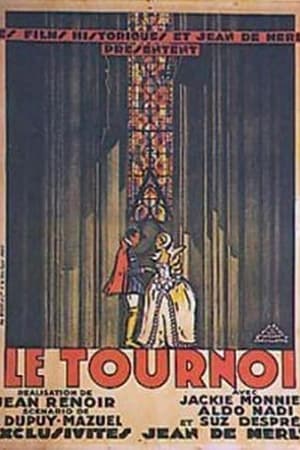
The Tournament
1928
Director
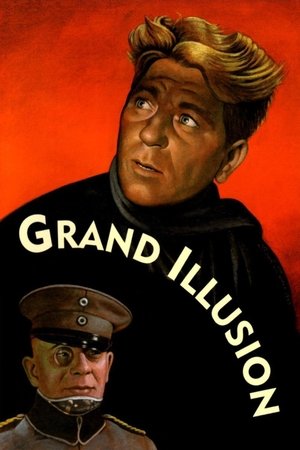
Grand Illusion
1937
Director
Le Bled
1929

Director
The River
1951
Director
The Rules of the Game
1939
Director
La Bête Humaine
1938
Director
The Elusive Corporal
1962
Director
Night at the Crossroads
1932
Director
Nana
1926

Director
Backbiters
1927
Director
Elena and Her Men
1956
Director
French Cancan
1955
Director
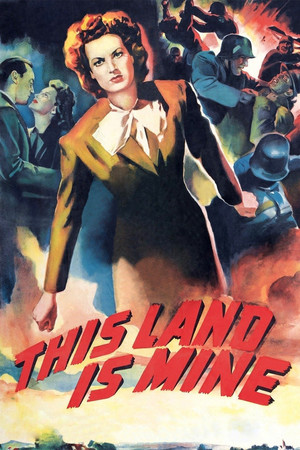
This Land Is Mine
1943
Director
Whirlpool of Fate
1925
Director
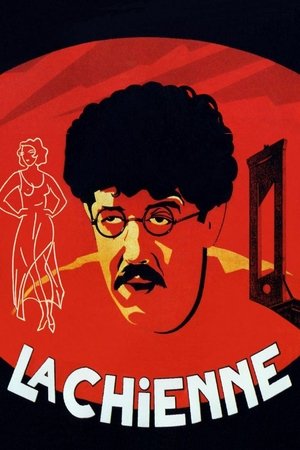
La Chienne
1931
Director
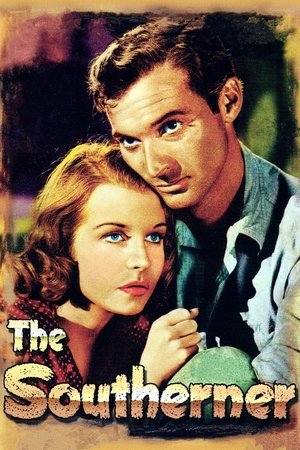
The Southerner
1945
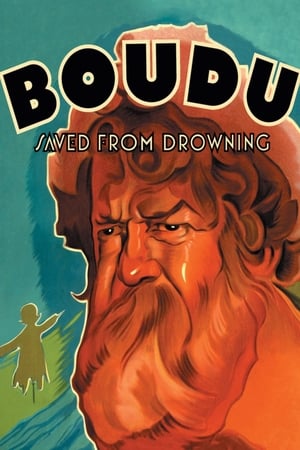
Director
Boudu Saved from Drowning
1932
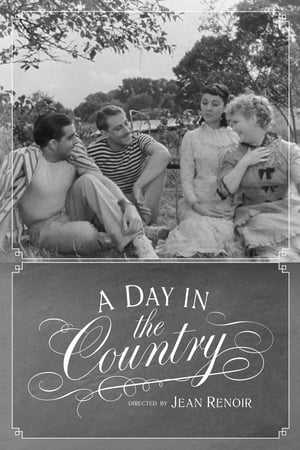
Director
A Day in the Country
1946
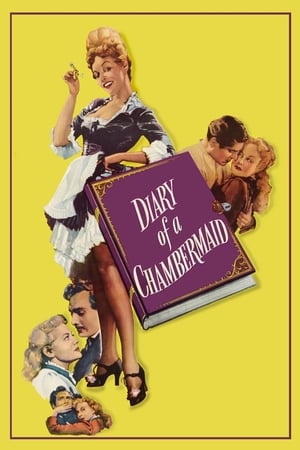
Director
The Diary of a Chambermaid
1946
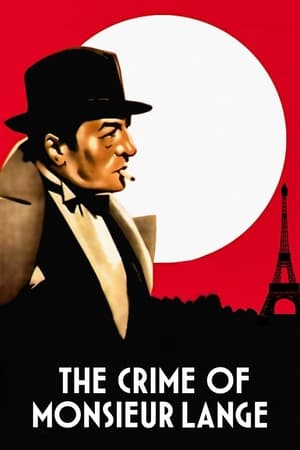
Director
The Crime of Monsieur Lange
1936
Director
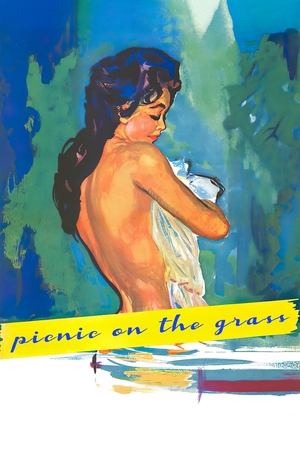
Picnic on the Grass
1959
Director
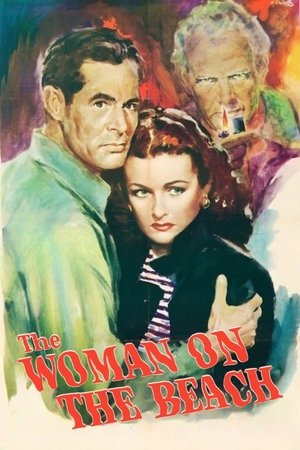
The Woman on the Beach
1947
Director
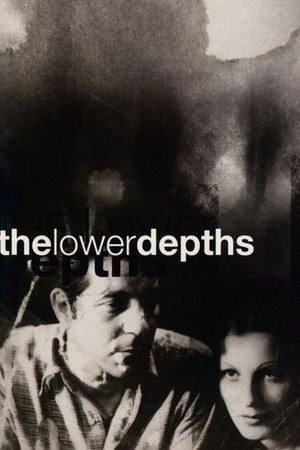
The Lower Depths
1936
Director
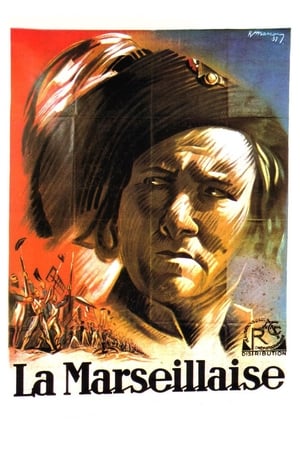
La Marseillaise
1938
Director
The Little Match Girl
1928

Director
Toni
1935
Director
Swamp Water
1941
Director
The Golden Coach
1952
Director
The Sad Sack
1928
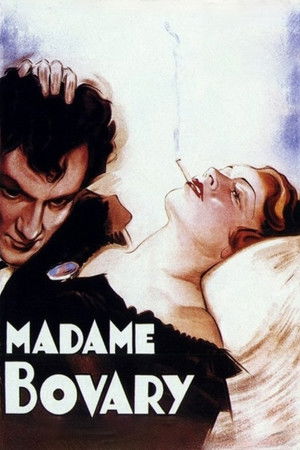
Director
Madame Bovary
1934
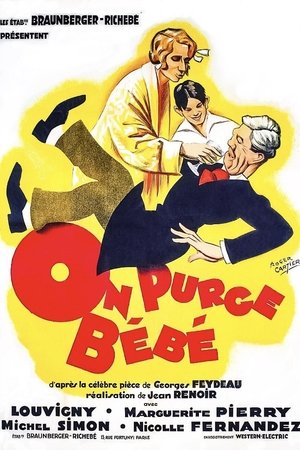
Director
Baby's Laxative
1931
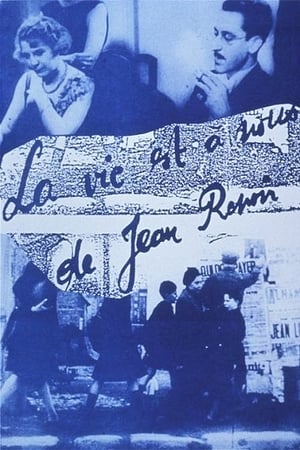
Director
Life Is Ours
1936

Director
Charleston Parade
1927
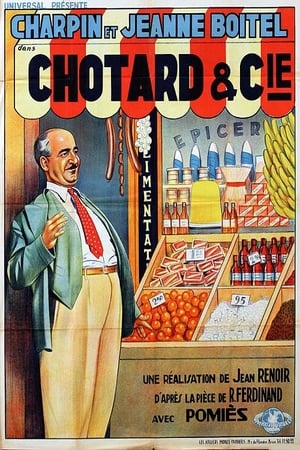
Director
Chotard and Co.
1933
Latest Trailers

Watch Trailer
A Day in the Country
Full Filmography
Carola
Writer
1973
Film
The Elusive Corporal
Director
1962
Film
Picnic on the Grass
Director
1959
Film
Elena and Her Men
Director
1956
Film
French Cancan
Director
1955
Film
The Golden Coach
Director
1952
Film
The River
Director
1951
Film
The Ways of Love
Director
1950
Film
The Woman on the Beach
Director
1947
Film
Photos
Frequently Asked Questions
Is Jean Renoir still alive?
Jean Renoir passed away on February 12, 1979 at age 84.
What are the most famous roles of Jean Renoir?
Jean Renoir is best known for directing Grand Illusion, The Rules of the Game, La Bête Humaine.
How many movies has Jean Renoir directed?
Over a 54-year career (since 1925), Jean Renoir has directed or written 38 films and worked on 0 TV shows.
What was Jean Renoir's first movie?
The career of Jean Renoir began with Whirlpool of Fate (1925).
What is Jean Renoir's most recent movie or series?
Jean Renoir's most recent release is The Little Theatre of Jean Renoir, which premiered on May 2, 1974.






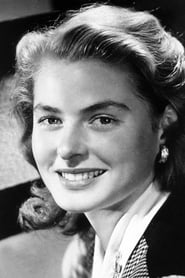
Jean Renoir
1894-09-15 · Paris, France
Jean Renoir (15 September 1894 – 12 February 1979) was a French film director, screenwriter, actor, producer and author. As a film director and actor, he made more than forty films from the silent era to the end of the 1960s. As an author, he wrote the definitive biography of his father, the painter, Pierre-Auguste Renoir, Renoir, My Father (1962).
In the 1930s, Renoir was associated with the Popular Front, and several of his films reflect the movement's left-wing politics and deal with social issues as well as class disparities. He was perhaps the most significant director of the poetic realism movement. The satirical comedy-drama film The Rules of the Game (1939) is often cited by critics as among the greatest films ever made; it is the only film to earn a place among the top ten films in the respected British Film Institute's Sight & Sound decennial critics' poll for every decade from the poll's inception in 1952 through the 2012 list. Other important works are Grand Illusion (1937), A Day in the Country (1946) and The River (1951).
Andrew Sarris in his influential book of film criticism The American Cinema: Directors and Directions 1929–1968 included him in the "pantheon" of the 14 greatest film directors who had worked in the United States.