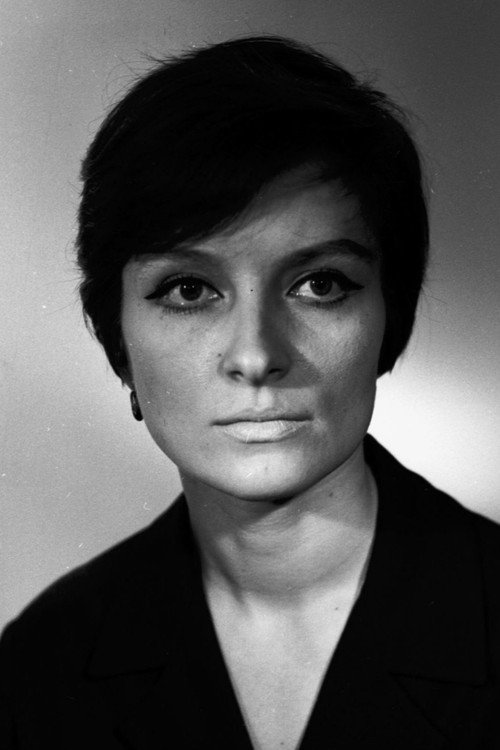
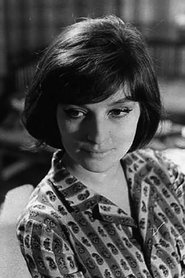
Larisa Shepitko
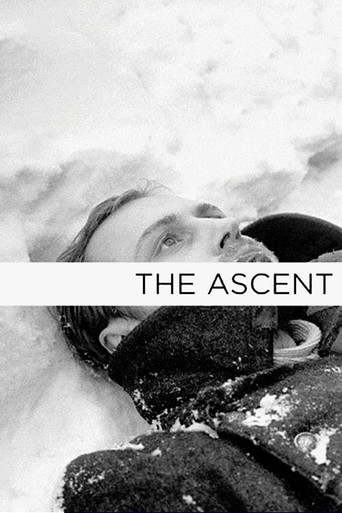
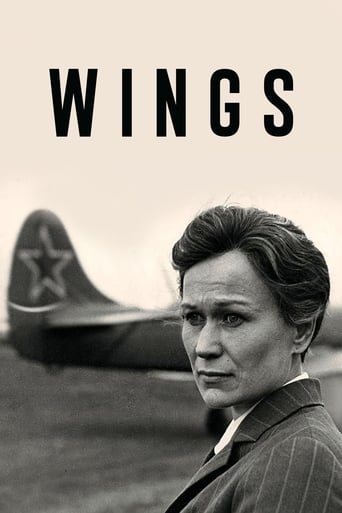
ラリーサ・シェピチコはアルチョーモフスク生まれのソ連・ウクライナの監督であり、ソ連映画の制約の中で作られた、激しく精神的で道徳的に妥協なき作品で名高い。かつての戦時戦闘機乗りが戦後ソ連社会から疎外される様を描いた初期作『翼』で、国家公認映画が滅多に前景化しない内面の心理的葛藤への関心を確立した。第二次大戦下、ナチスの協力者に捕らえられた二人のパルチザンが過酷な道徳的清算へと追い込まれる様を追う『処刑の丘』は、ベルリンで金熊賞を受賞し、殉教と裏切りに向き合うその峻厳でほとんど宗教的な映像の強度で、ソ連映画史上でも屈指の名作となった。シェピチコは次作のロケハン中に交通事故で四十歳で世を去り、その精神的・道徳的な真摯さがすでにソ連映画で最も重要な監督のひとりと印づけていた経歴は、志半ばで断たれた。
Larisa Shepitko
6 監督作品
ラリーサ・シェピチコはアルチョーモフスク生まれのソ連・ウクライナの監督であり、ソ連映画の制約の中で作られた、激しく精神的で道徳的に妥協なき作品で名高い。かつての戦時戦闘機乗りが戦後ソ連社会から疎外される様を描いた初期作『翼』で、国家公認映画が滅多に前景化しない内面の心理的葛藤への関心を確立した。第二次大戦下、ナチスの協力者に捕らえられた二人のパルチザンが過酷な道徳的清算へと追い込まれる様を追う『処刑の丘』は、ベルリンで金熊賞を受賞し、殉教と裏切りに向き合うその峻厳でほとんど宗教的な映像の強度で、ソ連映画史上でも屈指の名作となった。シェピチコは次作のロケハン中に交通事故で四十歳で世を去り、その精神的・道徳的な真摯さがすでにソ連映画で最も重要な監督のひとりと印づけていた経歴は、志半ばで断たれた。
最新予告編

予告編を見る
Agony: The Life and Death of Rasputin
写真


よくある質問
Larisa Shepitkoはまだ生きていますか?
Larisa Shepitkoは1979年7月2日に41歳で亡くなりました。
Larisa Shepitkoの代表的な役柄は?
Larisa ShepitkoはThe Ascent, Wings, Farewellの監督・脚本家として有名です。
Larisa Shepitkoは何本の映画を監督しましたか?
Larisa Shepitkoは1956年から活動し、23年のキャリアで6本の映画を監督・脚本し、0本のドラマに携わっています。
Larisa Shepitkoの初出演映画は?
Larisa ShepitkoのキャリアはSlepoy Kukhar(1956)から始まりました。
Larisa Shepitkoの最新の映画・シリーズは?
Larisa Shepitkoの最新作はFarewell(1983年2月23日公開)です。




Larisa Shepitko
1938-01-06 · Artyomovsk, Ukrainian SSR, USSR [now Artemivsk, Donetsk Oblast, Ukraine]
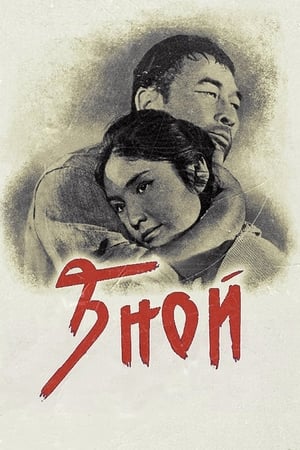
Larysa Efimovna Shepitko (6 January 1938, Artemivsk, Ukrainian SSR – 2 June 1979, Kalinin Oblast) was a Ukrainian Soviet film director. She went to the All-Union State Institute of Cinematography in Moscow as a student of Olexander Dovzhenko. She was a student of Dovzhenko's for 18 months until he died in 1956. Shepitko graduated from VGIK in 1963 with her prize winning diploma film Heat, made when she was 22 years old. It tells the story of a new farming community in Central Asia during the mid 1950s.
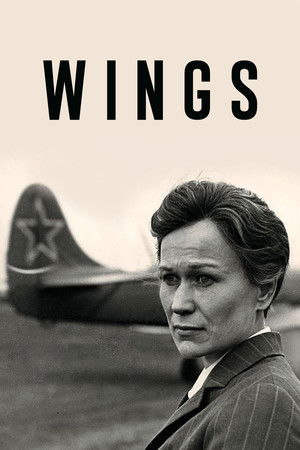
Shepitko's next film Wings concerns a much-decorated female fighter pilot of World War II. The pilot, now principal of a vocational college, is out of touch with her daughter and the new generation. The film aroused considerable Soviet press controversy at the time, as films were not meant to depict conflicts between children and parents (Vronskaya, 1972 p 39).
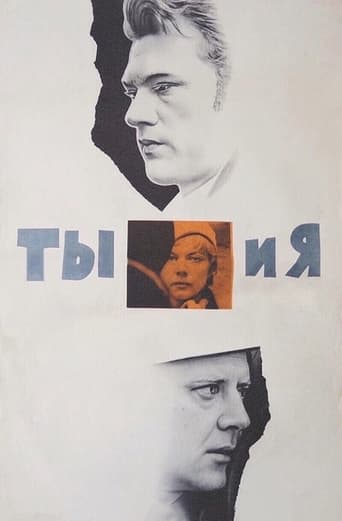
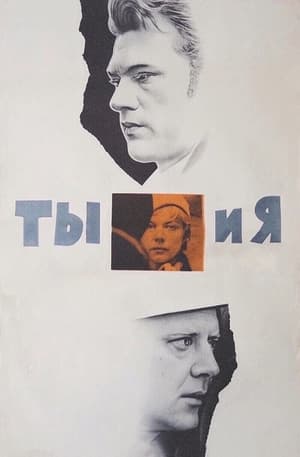
Shepitko's third film was You and I (1971). This was her only film in colour. It was favourably received at the Venice Film Festival, but lacked proper public exposure in the Soviet Union.
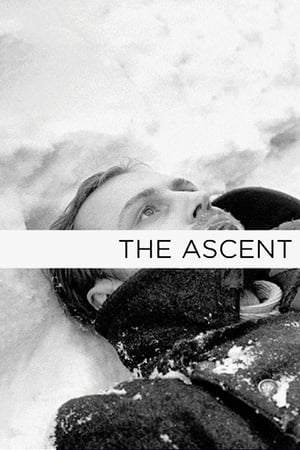
The Ascent (1976) was her last film and the one which garnered the most attention in the West. In it, Shepitko returns to the sufferings of World War II, chronicling the trials and tribulations of a group of partisans in Belarus in the bleak winter of 1942. Two of the partisans are captured by the Nazis and then interrogated by a local collaborator, played by Anatoly Solonitsyn, before one of them is executed in public. This depiction of the martyrdom of the Russians owes much to Christian iconography. The Ascent won the Golden Bear at the 27th Berlin International Film Festival in 1977.
Shepitko's growing international reputation led to an invitation to serve on the jury at the 28th Berlin International Film Festival in 1978. However, she was unable to complete any other films. Shepitko died in a car crash with four members of her shooting team in 1979 while scouting locations for her planned adaptation of the novel Farewell to Matyora, by Valentin Rasputin. Her husband Elem Klimov, also a film director, finished the work for her.