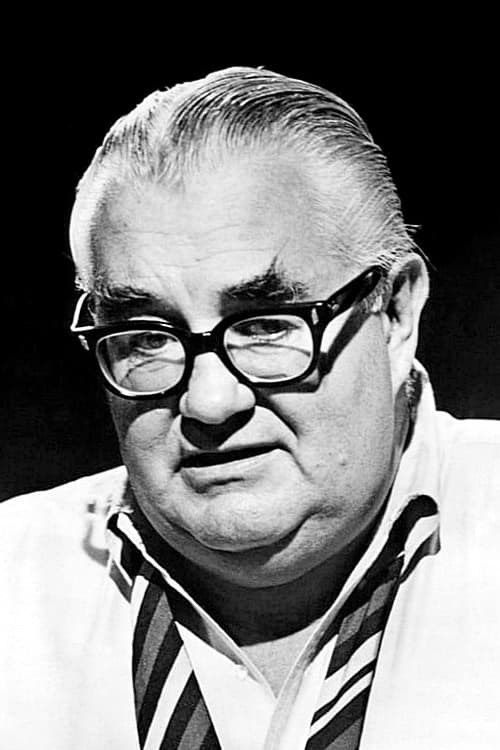


Robert Aldrich
Regista · Produttore
65 anni (9 ago 1918 – 5 dic 1983)Cranston, Rhode Island, Stati Uniti
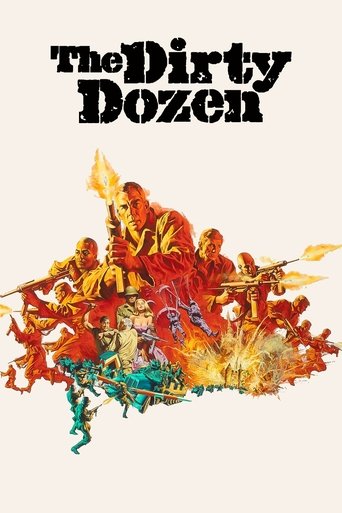
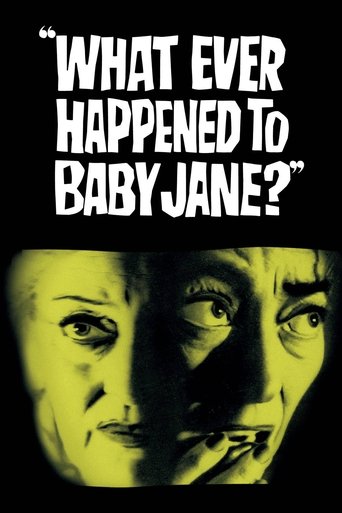
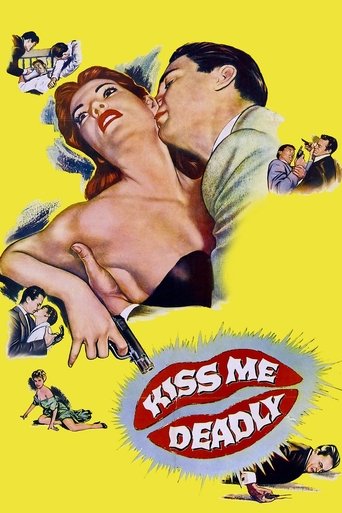
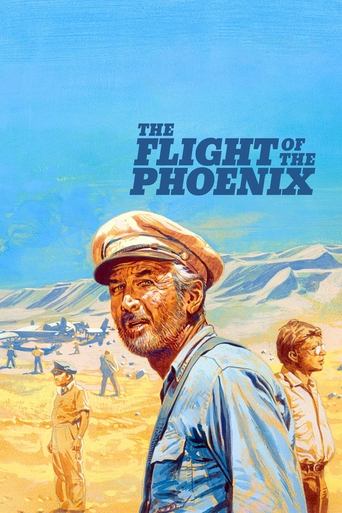
Robert Aldrich è stato un regista americano nato a Cranston, nel Rhode Island, celebrato per film di genere duri e cinici che sfidarono ripetutamente la convenzione hollywoodiana. 'Un bacio e una pistola', paranoico e apocalittico noir liberamente tratto da un romanzo di Mickey Spillane, divenne un'influenza fondamentale sulla Nouvelle Vague e sul neo-noir successivo, mentre 'Quella sporca dozzina' trasformò il film di guerra in un ensemble moralmente torbido su criminali condannati inviati in una missione suicida. 'Che fine ha fatto Baby Jane?', grottesco horror psicologico che affiancava le anziane rivali Bette Davis e Joan Crawford, contribuì a dare il via al sottogenere dell'«hagsploitation» e rilanciò le carriere di entrambe le attrici. La disponibilità di Aldrich a lavorare attraverso i generi minando al contempo con crudeltà e ambiguità morale la convenzione eroica ne fece uno dei registi vicini al sistema degli studi più sovversivi del dopoguerra.
Robert Aldrich
Regista · Produttore
Robert Aldrich è stato un regista americano nato a Cranston, nel Rhode Island, celebrato per film di genere duri e cinici che sfidarono ripetutamente la convenzione hollywoodiana. 'Un bacio e una pistola', paranoico e apocalittico noir liberamente tratto da un romanzo di Mickey Spillane, divenne un'influenza fondamentale sulla Nouvelle Vague e sul neo-noir successivo, mentre 'Quella sporca dozzina' trasformò il film di guerra in un ensemble moralmente torbido su criminali condannati inviati in una missione suicida. 'Che fine ha fatto Baby Jane?', grottesco horror psicologico che affiancava le anziane rivali Bette Davis e Joan Crawford, contribuì a dare il via al sottogenere dell'«hagsploitation» e rilanciò le carriere di entrambe le attrici. La disponibilità di Aldrich a lavorare attraverso i generi minando al contempo con crudeltà e ambiguità morale la convenzione eroica ne fece uno dei registi vicini al sistema degli studi più sovversivi del dopoguerra.
Film: 31 titoli
Regista
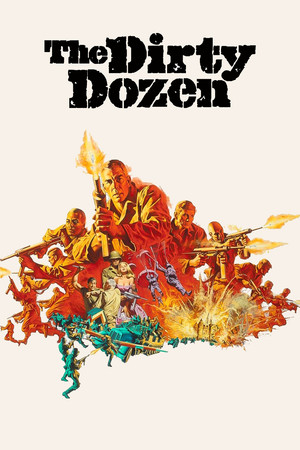
Quella sporca dozzina
1967
Regista
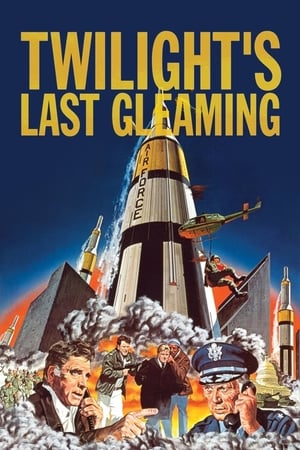
Ultimi bagliori di un crepuscolo
1977
Regista
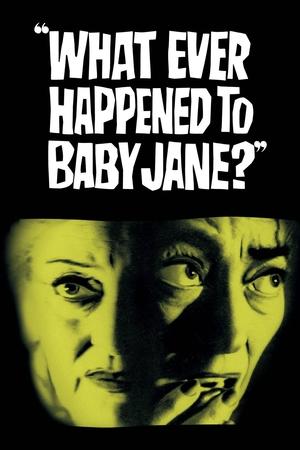
Che fine ha fatto Baby Jane?
1962

Regista
Piano... piano dolce Carlotta
1964
Regista
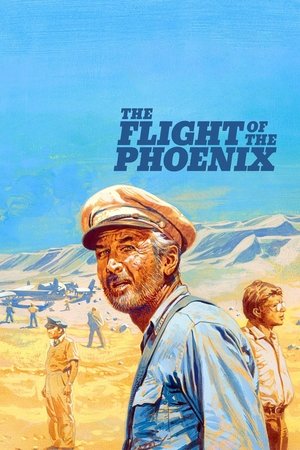
Il volo della fenice
1965

Regista
Quella sporca ultima meta
1974
Regista
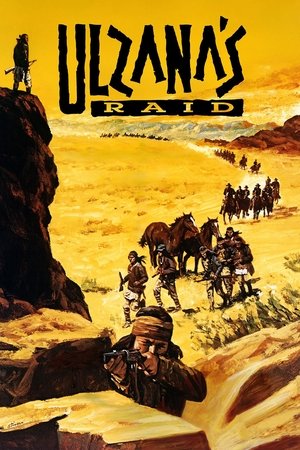
Nessuna pietà per Ulzana
1972
Regista
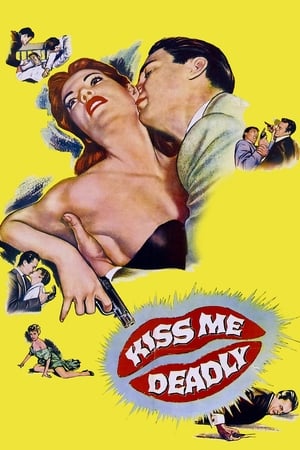
Un bacio e una pistola
1955

Regista
L'imperatore del Nord
1973
Regista
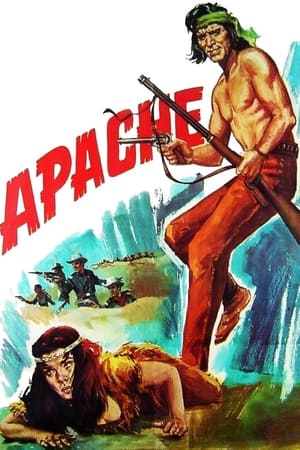
L'ultimo Apache
1954
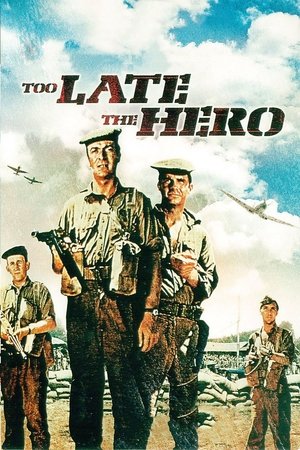
Regista
Non è più tempo d'eroi
1970
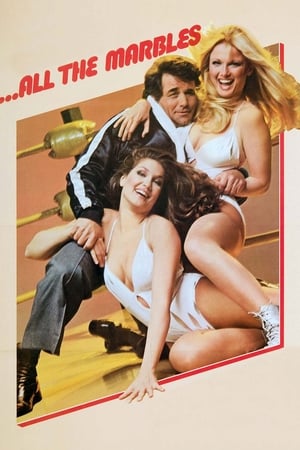
Regista
California Dolls
1981
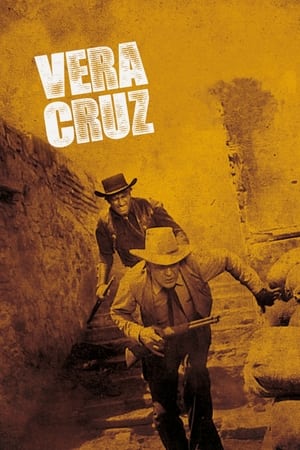
Regista
Vera Cruz
1954

Regista
Il grande alleato
1953

Regista
Grissom gang - niente orchidee per miss Blandish
1971
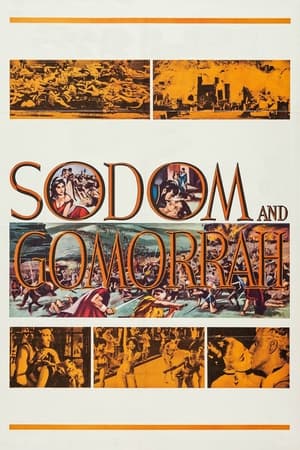
Regista
Sodoma e Gomorra
1962
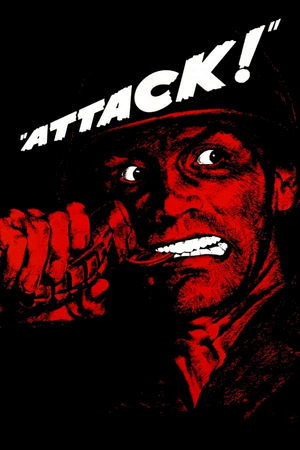
Regista
Prima linea
1956

Regista
Il grande coltello
1955

Regista
L'occhio caldo del cielo
1961

Regista
Scusi, dov'è il West?
1979
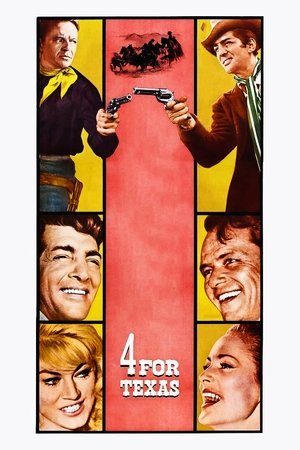
Regista
I 4 del Texas
1963
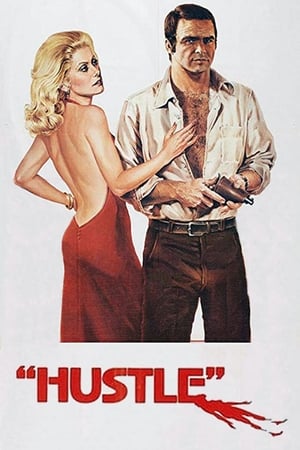
Regista
Un gioco estremamente pericoloso
1975
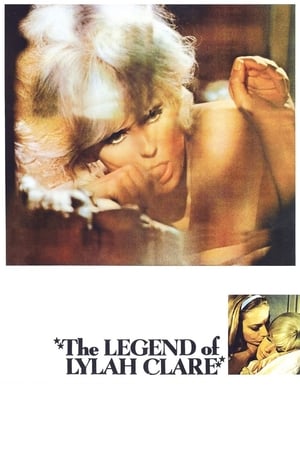
Regista
Quando muore una stella
1968

Regista
Dieci secondi con il diavolo
1959

Regista
L'assassinio di Sister George
1968

Regista
La giungla della settima strada
1957

Regista
Le colline dell'odio
1959

Regista
Foglie d'autunno
1956

Regista
I ragazzi del coro
1977

Regista
Singapore intrigo internazionale
1954


Filmografia completa
California Dolls
Director
1981
Scusi, dov'è il West?
Director
1979
I ragazzi del coro
Director
1977
Ultimi bagliori di un crepuscolo
Director
1977
Un gioco estremamente pericoloso
Director
1975
Quella sporca ultima meta
Director
1974
L'imperatore del Nord
Director
1973
Nessuna pietà per Ulzana
Director
1972
Grissom gang - niente orchidee per miss Blandish
Director
1971
Foto

Domande Frequenti
Robert Aldrich è ancora vivo?
Robert Aldrich è morto/a il 5 dicembre 1983 all'età di 65 anni.
Quali sono i ruoli più conosciuti di Robert Aldrich?
Robert Aldrich è noto soprattutto per aver diretto Quella sporca dozzina, Che fine ha fatto Baby Jane?, Un bacio e una pistola.
Quanti film ha diretto Robert Aldrich?
In 30 anni di carriera (dal 1953), Robert Aldrich ha diretto o scritto 31 film e lavorato a 4 serie.
Qual è stato il primo film di Robert Aldrich?
La carriera di Robert Aldrich è iniziata con Il grande alleato (1953).
Qual è il film o la serie più recente di Robert Aldrich?
L'opera più recente di Robert Aldrich è California Dolls, uscita il 1 marzo 1981.
Quali serie ha creato o diretto Robert Aldrich?
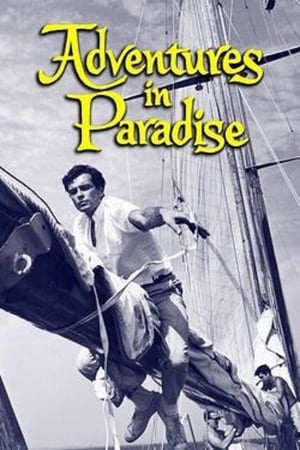
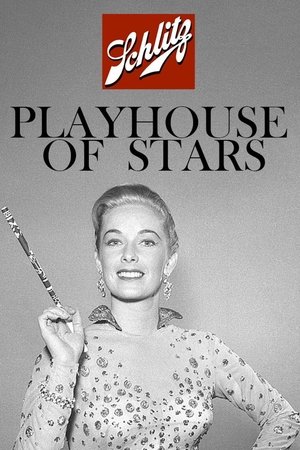
In televisione, Robert Aldrich è apparso/a in Four Star Playhouse, Avventure in paradiso, Schlitz Playhouse of Stars, Hotel de Paree.





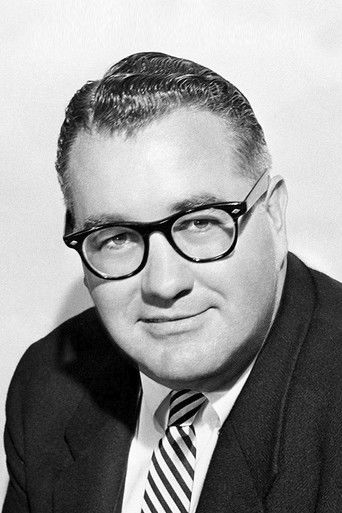
Robert Aldrich
1918-08-09 · Cranston, Rhode Island, Stati Uniti
Robert Aldrich (August 9, 1918 – December 5, 1983) was an American filmmaker, known for the films Kiss Me Deadly (1955), The Big Knife (1955), What Ever Happened to Baby Jane? (1962), and The Dirty Dozen (1967).
Born in Cranston, Rhode Island, the son of Lora Lawson and newspaper publisher Edward Burgess Aldrich. He was a grandson of U.S. Senator Nelson W. Aldrich and a cousin of Nelson Rockefeller. He studied economics at the University of Virginia. In 1941, he dropped out of college for a $50-a-week job at RKO Radio Pictures. In doing so, he was also dropped by his family, losing a potential stake in Chase Bank he would have inherited. It's been said that "No American film director was born as wealthy as Aldrich—and then so thoroughly cut off from family money."
He quickly rose in film production as an assistant director, and worked with Jean Renoir, Abraham Polonsky, Robert Rossen, Joseph Losey and Charlie Chaplin as an assistant on Limelight. He became a television director in the 1950s, directing his first feature film, Big Leaguer, in 1953. During the 1950s, Aldrich directed mostly action films like Apache and Vera Cruz with Burt Lancaster. Aldrich soon gained recognition as an auteur filmmaker, depicting his liberal humanist thematic vision in many genres, in films such as Kiss Me Deadly (1955), a film noir classic, The Big Knife (1955), an adaptation of Clifford Odets's play about Hollywood business, and Attack (1956), a WWII infantry combat film exploring how U.S. Army careerism determined who attacked and who ordered the attack.
In the 1960s, he directed several commercially successful films, such as the gothic horror stories What Ever Happened to Baby Jane? (1962), with Bette Davis and Joan Crawford as spiteful sisters and faded child-actresses, Hush… Hush, Sweet Charlotte, with Bette Davis as a Southern woman who lives in a mansion and thinks she is going insane (both Joan Crawford and Davis were to appear, but Crawford left the film); the controversial The Killing of Sister George (1968); and the hugely popular war film The Dirty Dozen (1967).
The success of The Dirty Dozen allowed him to establish his own production studio for some time, but several failures forced his return to conventionally commercial Hollywood films. Nevertheless, his humanism is evident in The Longest Yard (1974), about the rigged-game politics, and Ulzana's Raid (1972) an uncompromising film based on the real life break-out from an Indian reservation of a band led by chief Ulzana, the extreme violence and torture they exacted upon isolated pioneer families in the Arizona territory, and their pursuit by the US cavalry.
From his marriage to Harriet Foster (1941–65), Robert Aldrich had four children, all of whom work in the film business: Adell, William, Alida and Kelly. Aldrich died of kidney failure on December 5, 1983 in a Los Angeles hospital. Film critic John Patterson summarized his career in 2012: "He was a punchy, caustic, macho and pessimistic director, who depicted corruption and evil unflinchingly, and pushed limits on violence throughout his career. His aggressive and pugnacious film-making style, often crass and crude, but never less than utterly vital and alive, warrants – and will richly reward – your immediate attention."