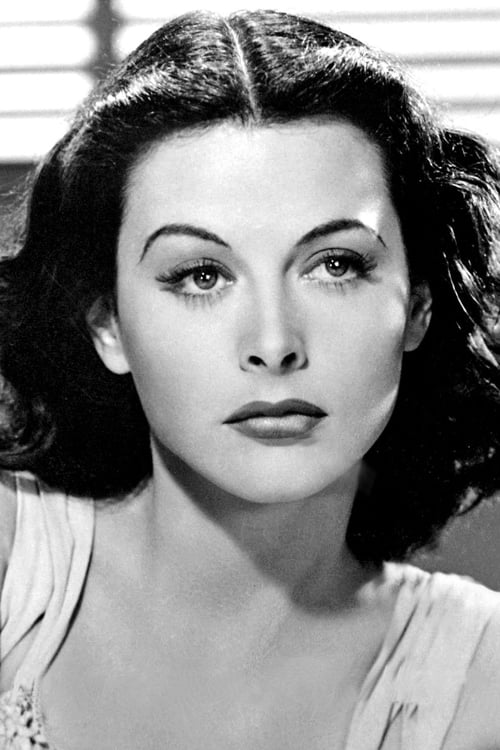


Hedy Lamarr
Actress
85 years (Nov 9, 1914 – Jan 19, 2000)Vienna, Austria
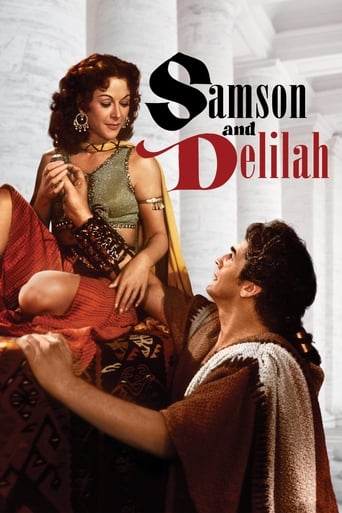
Hedy Lamarr was an Austrian-American actress and inventor, celebrated as one of the leading stars of Hollywood's golden age. She appeared in films such as Algiers (1938) and Samson and Delilah (1949), the latter becoming one of the biggest box-office hits of its era. Beyond acting, Lamarr co-invented a frequency-hopping spread spectrum technology that later influenced modern wireless communications. Her dual legacy as a screen icon and pioneering inventor has earned her lasting recognition.
Hedy Lamarr
Actress
Hedy Lamarr was an Austrian-American actress and inventor, celebrated as one of the leading stars of Hollywood's golden age. She appeared in films such as Algiers (1938) and Samson and Delilah (1949), the latter becoming one of the biggest box-office hits of its era. Beyond acting, Lamarr co-invented a frequency-hopping spread spectrum technology that later influenced modern wireless communications. Her dual legacy as a screen icon and pioneering inventor has earned her lasting recognition.
32 Movies
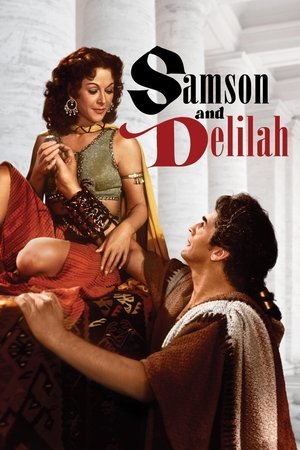
Plays Delilah
Samson and Delilah
1949

Plays Lily Dalbray
My Favorite Spy
1951
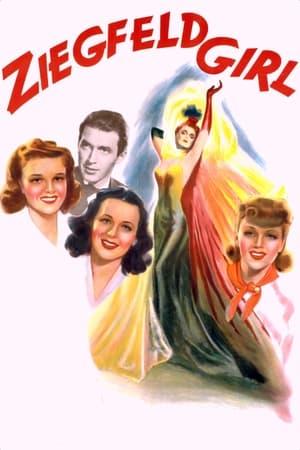
Plays Sandra Kolter
Ziegfeld Girl
1941

Plays Karen Vanmeer
Boom Town
1940

Plays Manon deVargnes Carey, aka Kira Kim
Lady of the Tropics
1939

Plays Lisa Roselle
Copper Canyon
1950

Plays Eva Hermann
Ecstasy
1933
Producer
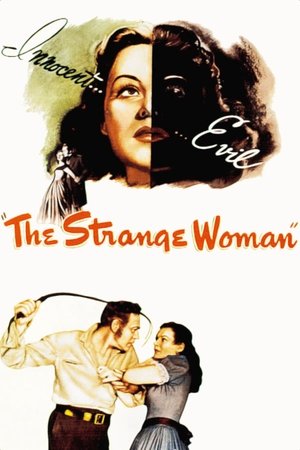
Plays Jenny Hager
The Strange Woman
1946

Producer
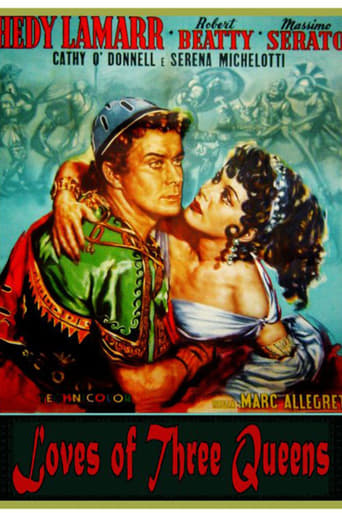
Loves of Three Queens
1954

Plays Princess Veronica
Her Highness and the Bellboy
1945
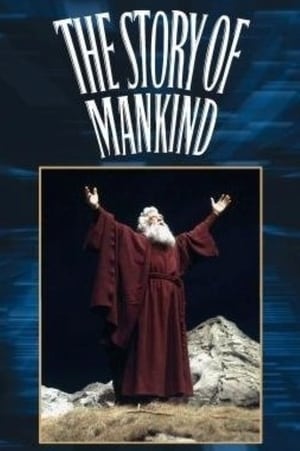
Plays Joan of Arc
The Story of Mankind
1957

Plays Madeleine Damien
Dishonored Lady
1947

Plays Georgi Gragore
I Take This Woman
1940
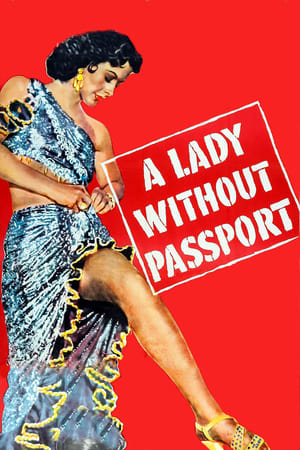
Plays Marianne Lorress
A Lady Without Passport
1950
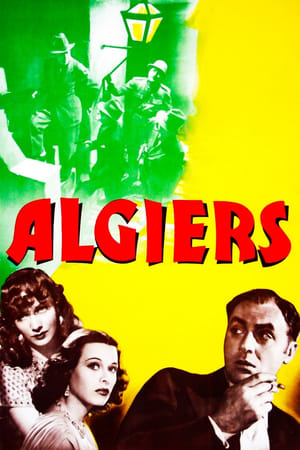
Plays Gaby
Algiers
1938

Plays Vanessa Windsor
The Female Animal
1958

Plays Johnny Jones
Come Live with Me
1941
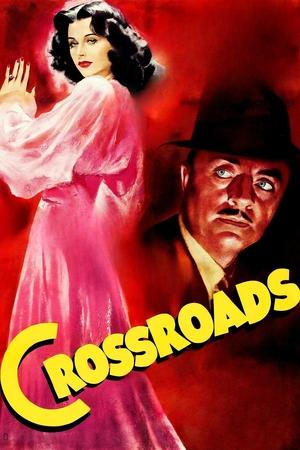
Plays Lucienne Talbot
Crossroads
1942

Plays Movie Goddess (Archival)
Instant Karma
1990
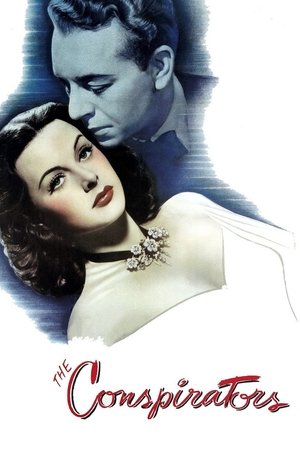
Plays Irene Von Mohr
The Conspirators
1944
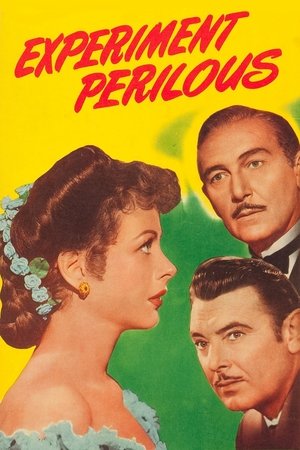
Plays Allida Bederaux
Experiment Perilous
1944

Plays Marvin Myles Ransome
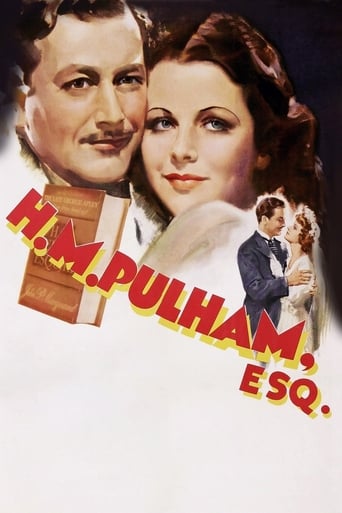
H.M. Pulham, Esq.
1941

Plays Vicky Whitley
The Heavenly Body
1944
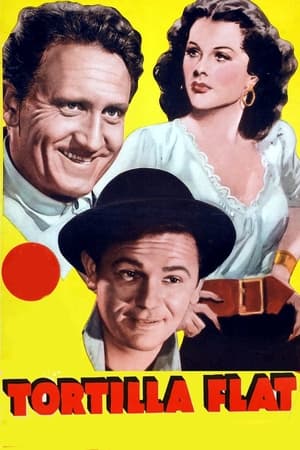
Plays Dolores Ramirez
Tortilla Flat
1942
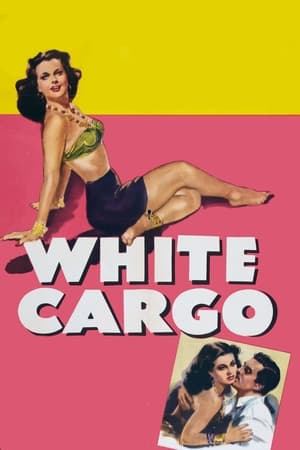
Plays Tondelayo
White Cargo
1942
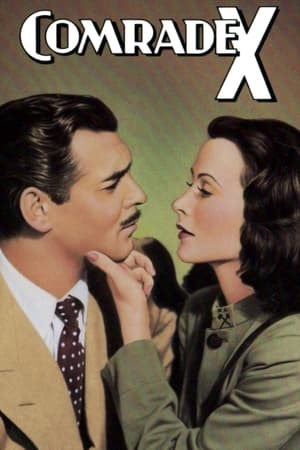
Plays Golubka / Theodore Yahupitz / Lizvanetchka 'Lizzie'
Comrade X
1940

Plays Young Girl at Night Club Table
Money on the Street
1930

Plays Käthe Brandt
We Need No Money
1931
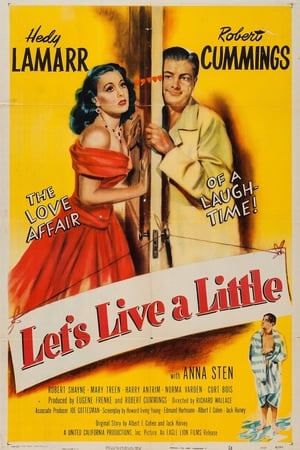
Plays Dr. J.O. "Jo" Loring
Let's Live a Little
1948

Plays Imperatrice Giuseppina / Genoveffa di Brabante / Hedy Windsor
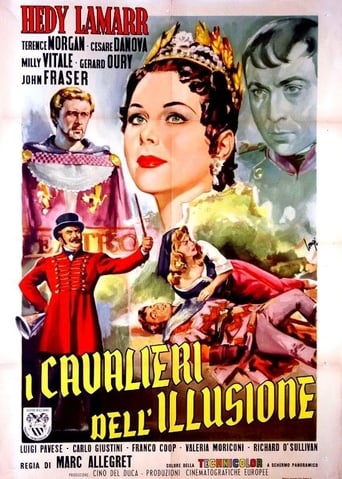
The Fate of Two Queens
1954

Latest Trailers

Watch Trailer
Mondo Hollywood
Full Filmography
Instant Karma
Movie Goddess (Archival)
1990
The Female Animal
Vanessa Windsor
1958
The Story of Mankind
Joan of Arc
1957
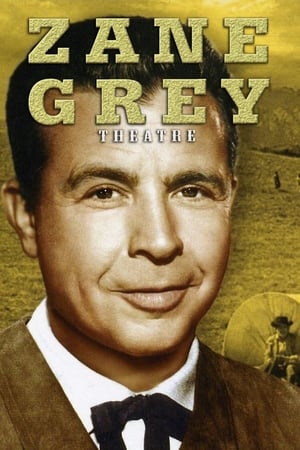
Dick Powell's Zane Grey Theatre
Consuela Bowers
1957Season 2
Loves of Three Queens
Hedy Windsor / Elana di Troia / Empress Josephine / Geneviève de Brabant
1954
The Fate of Two Queens
Imperatrice Giuseppina / Genoveffa di Brabante / Hedy Windsor
1954
1952Season 3
My Favorite Spy
Lily Dalbray
1951
1951Season 2
Photos


Frequently Asked Questions
Is Hedy Lamarr still alive?
Hedy Lamarr passed away on January 19, 2000 at age 85.
What are the most famous roles of Hedy Lamarr?
Hedy Lamarr is best known for roles in Samson and Delilah, Ecstasy, Boom Town.
How many movies has Hedy Lamarr been in?
Over a 70-year career (since 1930), Hedy Lamarr has appeared in 32 movies and 1 TV shows.
What was Hedy Lamarr's first movie?
The career of Hedy Lamarr began with Money on the Street (1930).
What is Hedy Lamarr's most recent movie or series?
Hedy Lamarr's most recent release is The Casting Couch, which premiered on January 1, 1995.
What TV shows has Hedy Lamarr appeared in?
On television, Hedy Lamarr has appeared in What's My Line?, The Ed Sullivan Show, The Colgate Comedy Hour, Dick Powell's Zane Grey Theatre.
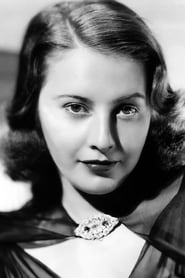
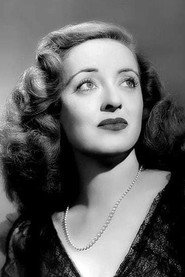
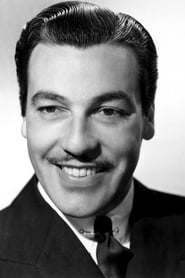
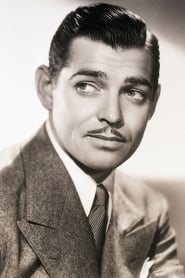


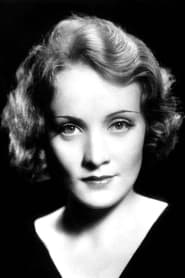
Hedy Lamarr
1914-11-09 · Vienna, Austria
Hedy Lamarr (born Hedwig Eva Maria Kiesler; November 9, 1914 – January 19, 2000) was an Austrian-born actress and technology inventor. She was a film star during Hollywood's Golden Age.
After a brief early film career in Czechoslovakia, including the controversial Ecstasy (1933), she fled from her first husband, a wealthy Austrian ammunition manufacturer, and secretly moved to Paris. Traveling to London, she met Metro-Goldwyn-Mayer studio head Louis B. Mayer, who offered her a movie contract in Hollywood. She became a film star with her performance in Algiers (1938). Her MGM films include Lady of the Tropics (1939), Boom Town (1940), H.M. Pulham, Esq. (1941), and White Cargo (1942). Her greatest success was as Delilah in Cecil B. DeMille's Bible-inspired Samson and Delilah (1949). She also acted on television before the release of her final film, The Female Animal (1958). She was honored with a star on the Hollywood Walk of Fame in 1960.
At the beginning of World War II, she and avant-garde composer George Antheil developed a radio guidance system for Allied torpedoes that used spread spectrum and frequency hopping technology to defeat the threat of jamming by the Axis powers. This system later became the basis for what is now known as Bluetooth.Hedy Lamarr, licensed under CC-BY-SA, full list of contributors on Wikipedia.