

John Wengraf
Actor
77 años (22 abr 1897 – 4 may 1974)Vienna, Austria-Hungary, now Austria
Conocido por


John Wengraf pertenece a la generación de intérpretes que aprendió el oficio rodando sin descanso, y el oficio se le nota en cuanto entra en plano. '¿Vencedores o vencidos? (El juicio de Núremberg)' es el título que sostiene su reputación, con Karl Wieck. Su nombre aparece asimismo en 'Sahara'. Su primer crédito data de 1935. Ha repartido su tiempo entre el cine y la televisión sin decantarse del todo por ninguno.
John Wengraf
Actor
Conocido por
John Wengraf pertenece a la generación de intérpretes que aprendió el oficio rodando sin descanso, y el oficio se le nota en cuanto entra en plano. '¿Vencedores o vencidos? (El juicio de Núremberg)' es el título que sostiene su reputación, con Karl Wieck. Su nombre aparece asimismo en 'Sahara'. Su primer crédito data de 1935. Ha repartido su tiempo entre el cine y la televisión sin decantarse del todo por ninguno.
Películas: 43 títulos

Interpreta a Karl Wieck
¿Vencedores o vencidos? (El juicio de Núremberg)
1961

Interpreta a Joseph - Gray & Isabel's Butler
El filo de la navaja
1946

Interpreta a Hans Eckhart
El premio
1963

Interpreta a Dr. Ludwig
Mañana es vivir
1946

Interpreta a Graf
El barco de los locos
1965
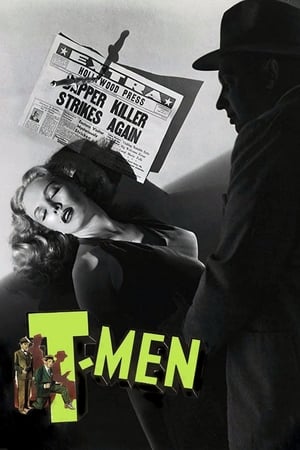
Interpreta a 'Shiv' Triano
La brigada suicida
1947

Interpreta a Mr. Louis Horvat
Valerie
1957

Interpreta a Count Franz Von Papen
Operación Cicerón
1952

Interpreta a Prosecuting Attorney
La venganza del bergantín
1948

Interpreta a Sermaine
Orgullo y pasión
1957
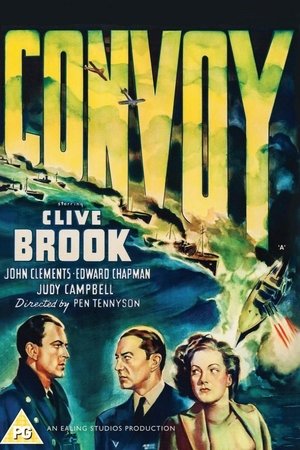
Interpreta a Commander Deutschland
Convoy
1940

Interpreta a Maj. von Falken
Sahara
1943
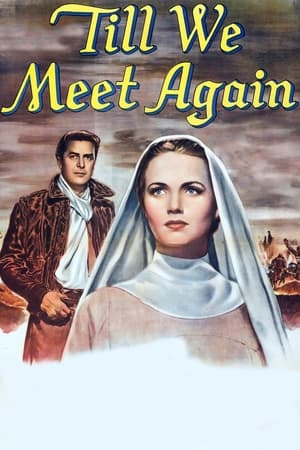
Interpreta a Gestapo Chief
Till We Meet Again
1944

Interpreta a Overkamp
La séptima cruz
1944

Interpreta a Commodore Renard
La línea francesa
1954

Interpreta a Prof. Zimmelman
Hoy como ayer
1956

Interpreta a Dr. Krauss
Oh, Men! Oh, Women!
1957

Interpreta a Dr. Kessler
Retrato en negro
1960

Interpreta a John Merriman
El retorno de Drácula
1958

Interpreta a Dr. Zeitman
Gog, el monstruo de cinco manos
1954

Interpreta a German Captain
Sailors Three
1940

Interpreta a Dr. Erich Heinrich
12 to the Moon
1960

Interpreta a Alex
Fin de semana
1945

Interpreta a Dr. Tabor
Hombres temerarios
1955

Interpreta a Nicholas Cadiz
El jugador de Natchez
1954
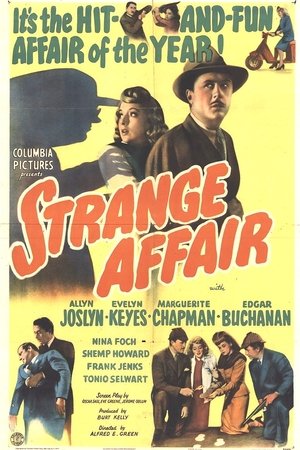
Interpreta a Rudolph Kruger
Strange Affair
1944
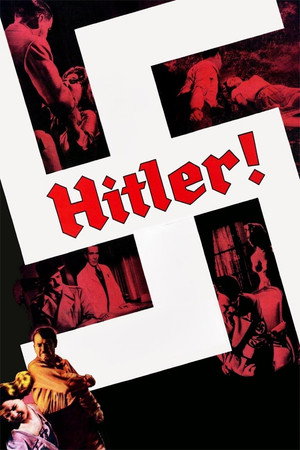
Interpreta a Dr. Morell
Hitler
1962

Interpreta a Herr Kesselman
Lucky Jordan
1942

Interpreta a Lukats
Tropic Zone
1953

Interpreta a German Doctor
Sealed Verdict
1948

Interpreta a Pierquin
The Lovable Cheat
1949

Interpreta a Vidal
Paris Playboys
1954
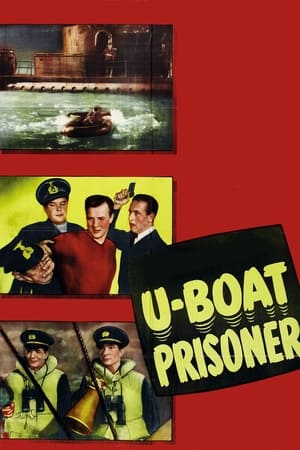
Interpreta a Gunther Rudehoff, Gestapo Agent
U-Boat Prisoner
1944

Interpreta a Dr. Carl Metz
The Disembodied
1957

Interpreta a Peter Goltzen
Sofia
1948
Series: 13 títulos
Interpreta a German Colonel
Cavalcade of America
1952
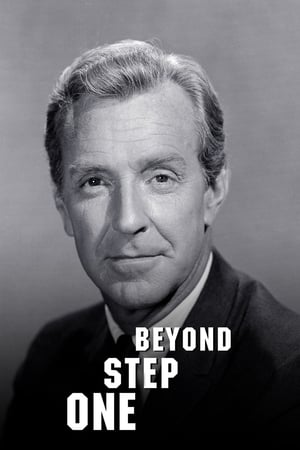
Interpreta a Ernest
Un paso al más allá
1959

Interpreta a Landau
Lux Video Theatre
1950

Interpreta a Monseigneur Paul
Jericho
1966
Interpreta a Drozhin
The Rogues
1964

Interpreta a Dr. Hans Kleinemann
El túnel del tiempo
1966
Interpreta a Count Victor Turec
The Millionaire
1955
Interpreta a Colonel Anders Dorn
Bat Masterson
1958

Interpreta a Von Elm
Behind Closed Doors
1958

Interpreta a Denoir
Four Star Playhouse
1952
Interpreta a Varchek
Los detectives
1959

Interpreta a Victor Waingraft
The Danny Thomas Show
1953
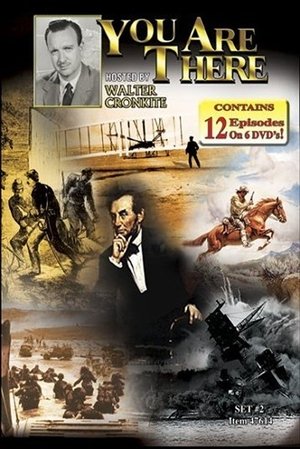
Interpreta a Dr. Zimmerman
You Are There
1953
Últimos Trailers

Ver Trailer
El barco de los locos
Filmografía completa
Jericho
Monseigneur Paul
1966Temporada 1
El túnel del tiempo
Dr. Hans Kleinemann
1966Temporada 1
El barco de los locos
Graf
1965
The Rogues
Drozhin
1964Temporada 1
El premio
Hans Eckhart
1963
Hitler
Dr. Morell
1962
¿Vencedores o vencidos? (El juicio de Núremberg)
Karl Wieck
1961
Los detectives
Varchek
1961Temporada 3
Retrato en negro
Dr. Kessler
1960
Fotos


Preguntas Frecuentes
¿John Wengraf sigue vivo?
John Wengraf falleció el 4 de mayo de 1974 a los 77 años.
¿Cuáles son los papeles más conocidos de John Wengraf?
A John Wengraf se le conoce sobre todo por ¿Vencedores o vencidos? (El juicio de Núremberg), Sahara, El premio.
¿En cuántas películas ha actuado John Wengraf?
A lo largo de 39 años de carrera (desde 1935), John Wengraf ha aparecido en 43 películas y 13 series.
¿Cuál fue la primera película de John Wengraf?
La carrera de John Wengraf arrancó con Bretter, die die Welt bedeuten (1935).
¿Cuál es la película o serie más reciente de John Wengraf?
La obra más reciente de John Wengraf es Jericho, estrenada el 15 de septiembre de 1966.
¿En qué series ha aparecido John Wengraf?
En televisión, a John Wengraf se le ha visto en El túnel del tiempo, 77 Sunset Strip, The Danny Thomas Show, Bat Masterson.
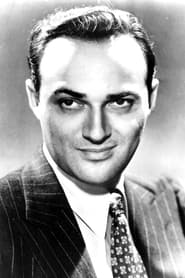
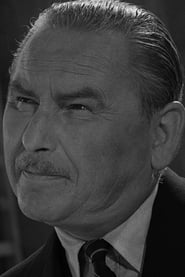
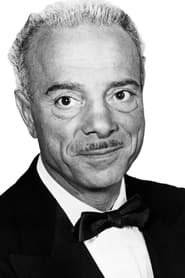


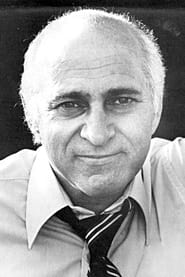
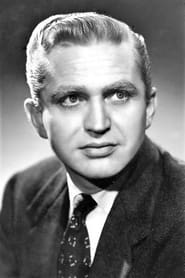
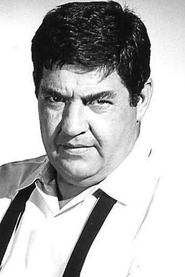
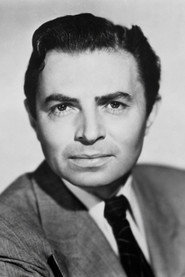
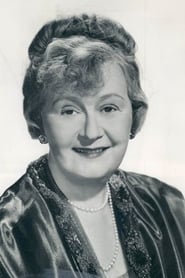

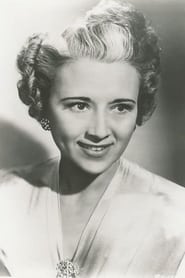
John Wengraf
1897-04-22 · Vienna, Austria-Hungary, now Austria
Emigrating to England in 1933 as the Nazis began their rise to power, Wengraf appeared unbilled in a couple of films there, as well as in some of the first BBC live-television shows ever presented but his career began to languish. In late 1941, however, he had the good fortune of appearing on Broadway with Helen Hayes in "Candle in the Wind" and decided to stay. The following year he headed west and settled permanently in the Los Angeles area. A dark, cold-eyed, thin-lipped player with a precise, meticulous air about him, he found himself invariably playing the very characters he detested. Some of his more nefarious nasties surfaced in such films as the Humphrey Bogart classic Sahara (1943/I), as well as The Boy from Stalingrad (1943), U-Boat Prisoner (1944) and Till We Meet Again (1944). In postwar years, he was often spotted portraying ethnic professionals (scientists, doctors, professors, foreign royalty). Some of the more quality pictures he enhanced were Tomorrow Is Forever (1946); Count Von Papen in 5 Fingers (1952); and Ronchin in the Ethel Merman musical Call Me Madam (1953). Although Wengraf never made it to the very top of the Hollywood character ranks, he remained a throughly strong and reliable player. In the 1950s and 1960s he transferred his talents to TV, appearing on a number of dramatic showcases and on such popular programs as "The Untouchables" (1959), "Hawaiian Eye" (1959), "The Man from U.N.C.L.E." (1964) and "The Time Tunnel" (1966). His last few films included minor roles in the war-themed Judgment at Nuremberg (1961), Hitler (1962) and Ship of Fools (1965). He retired in 1966, and died in Santa Barbara, California, at age 77, on May 4, 1974.