

Jay Silverheels
Actor · Desde 1940
Conocido por



Jay Silverheels es un intérprete canadiense, con un historial concreto y verificable. La primera vez que su nombre aparece en unos créditos es en 1940. Su ficha se mueve en la aventura. En 86 años ha reunido 71 créditos. En los créditos de 'El halcón del mar' aparece como Native Lookout. Su nombre figura además en 'Espíritu de conquista'.
Jay Silverheels
Actor · Desde 1940
63 Películas · 8 Series
Jay Silverheels es un intérprete canadiense, con un historial concreto y verificable. La primera vez que su nombre aparece en unos créditos es en 1940. Su ficha se mueve en la aventura. En 86 años ha reunido 71 créditos. En los créditos de 'El halcón del mar' aparece como Native Lookout. Su nombre figura además en 'Espíritu de conquista'.
Películas

Interpreta a Tonto
El llanero solitario
1956

Interpreta a Lead Warrior
Bucaneros del Caribe
1952

Interpreta a Native Lookout
El halcón del mar
1940

Interpreta a McDonald Lasheway
Sospechoso de asesinato
1969

Interpreta a Jimmy Wolf
El pequeño indio
1973

Interpreta a The Chief
El hombre que amó a Cat Dancing
1973

Interpreta a Geronimo
Paz Rota
1952

Interpreta a Indian
Espíritu de conquista
1941

Interpreta a Cajou
Rebelión en el fuerte
1954

Interpreta a Geronimo
La tierra del orgullo
1956

Interpreta a Taos
Tambores fraternos
1954

Interpreta a Satanta
Asalto al fuerte Clark
1953

Interpreta a Walter
La fiebre del oro
1949

Interpreta a Tonto
El llanero solitario y la ciudad perdida del oro
1958

Interpreta a Yaqui
Entre el valor y el dinero
1954

Interpreta a Tonto
The Phynx
1970

Interpreta a Indian Marauder
This Woman Is Mine
1941

Interpreta a Lakohna
The Cowboy and the Indians
1949
Interpreta a Indian Joe
Return to Warbow
1958

Interpreta a Little Crow
Solo una bandera
1951

Interpreta a Indian
Kit Carson
1940

Interpreta a Chief Hevatanu
La gran aventura India
1965

Interpreta a Chingachgook
The Pathfinder
1952

Interpreta a John Crow
Tres Flechas
1973

Interpreta a Yellow Hawk
Masterson of Kansas
1954
Interpreta a Tonto
The Legend Of The Lone Ranger
1952
Interpreta a Spotted Bear
The Nebraskan
1953

Interpreta a Black Buffalo
The Black Dakotas
1954

Interpreta a Red Cloud
Jack McCall, Desperado
1953

Interpreta a Jim Swift Hands
A Different Drum

Interpreta a Beeteia
The Vanishing American
1955

Interpreta a Chief Tecumseh
El guerrero bravío
1952
Series
Interpreta a Tonto
The Lone Ranger
1949
Interpreta a Sashona
Daniel Boone
1964
Interpreta a Great Bear
Pistols 'n' Petticoats
1966

Interpreta a Den'Gwatzi
El Virginiano
1962
Interpreta a Chief Eagle Cloud
The Brady Bunch
1969
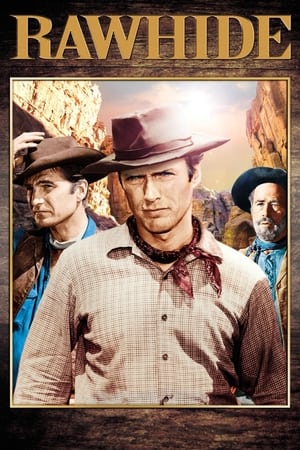
Interpreta a Pawnee Joe
Cuero crudo
1959
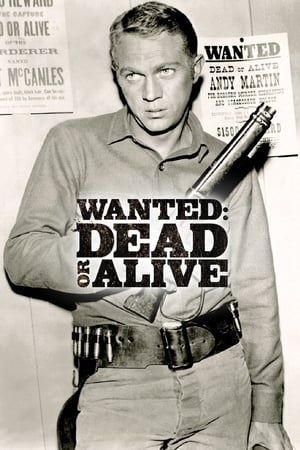
Interpreta a Charley Red Cloud
Randall, el justiciero
1958

Interpreta a Hopi Indian
Gunslinger
1961
Últimos Trailers

Ver Trailer
El hombre que amó a Cat Dancing
Filmografía completa 71
Tres Flechas
John Crow
1973
El hombre que amó a Cat Dancing
The Chief
1973
El pequeño indio
Jimmy Wolf
1973
The Brady Bunch
Chief Eagle Cloud
1971Temporada 3
El Virginiano
Den'Gwatzi
1970Temporada 9
The Phynx
Tonto
1970
Valor de ley
Condemned Man at Hanging (sin acreditar)
1969
Sospechoso de asesinato
McDonald Lasheway
1969
El Virginiano
Den'Gwatzi
1968Temporada 7
Fotos


Preguntas Frecuentes
¿Jay Silverheels sigue vivo?
Jay Silverheels falleció el 5 de marzo de 1980 a los 67 años.
¿Cuáles son los papeles más conocidos de Jay Silverheels?
A Jay Silverheels se le conoce sobre todo por El tesoro de Sierra Madre, Valor de ley, Cayo Largo.
¿En cuántas películas ha actuado Jay Silverheels?
A lo largo de 40 años de carrera (desde 1940), Jay Silverheels ha aparecido en 63 películas y 8 series.
¿Cuál fue la primera película de Jay Silverheels?
La carrera de Jay Silverheels arrancó con El halcón del mar (1940).
¿Cuál es la película o serie más reciente de Jay Silverheels?
La obra más reciente de Jay Silverheels es Tres Flechas, estrenada el 1 de septiembre de 1973.
¿En qué series ha aparecido Jay Silverheels?
En televisión, a Jay Silverheels se le ha visto en The Brady Bunch, Cuero crudo, Cannon, Randall, el justiciero.
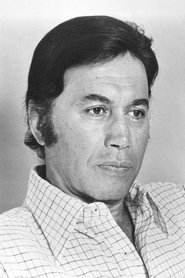

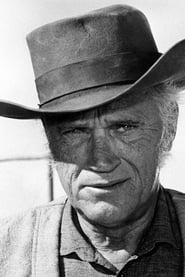

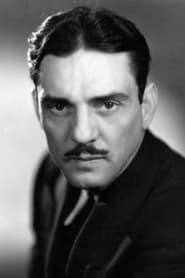
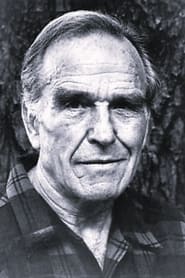
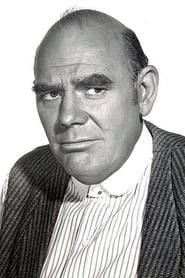
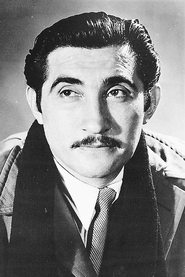
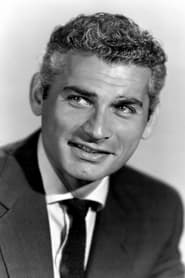

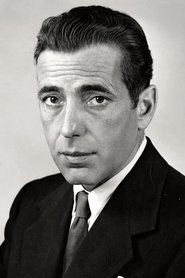
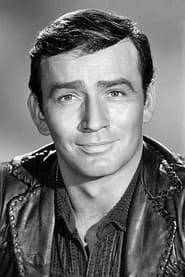
Jay Silverheels
1912-05-26 · Six Nations Reservation, Brantford, Ontario, Canadá
Jay Silverheels was born on a reservation in Canada to a Mohawk chief. He was a star lacrosse player and a boxer before he entered films as a stuntman in 1938. He worked in a number of films though the 1940s before he gained some notice as the Osceola brother in Humphrey Bogart's film Key Largo (1948). Most of his roles consisted of bit parts as "Indian." In 1949, he would work in a movie called The Cowboy and the Indians (1949) with another "B movie" actor named Clayton Moore. It was later that same year that Jay would be hired to play the faithful Indian companion, Tonto, in the television series "The Lone Ranger" (1949). This role, while still playing the "Indian," would bring Jay the fame that his motion picture career never did. As Tonto, on his horse Scout, Jay could show up where the Ranger could not and some of the time he would be shot at or beat up for his trouble. Jay would play Tonto in all the episodes except for those that he missed when he had his heart attack. In those episodes, he was replaced by the Ranger's nephew, Dan. However, Clayton Moore would miss the third season when he was replaced by John Hart. Jay would reprise the role of Tonto in two big-screen color movies with Moore, The Lone Ranger (1956) and The Lone Ranger and the Lost City of Gold (1958). After the series ended in 1957, Jay could not escape the typecasting of Tonto. He would continue to appear in an occasional film and television show, but he would become a spokesman to improve the portrayal of Indians on TV.