
Elia Suleiman
Director · Actor · Since 2007
Known for

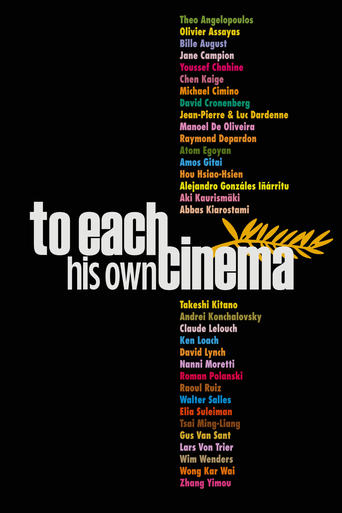

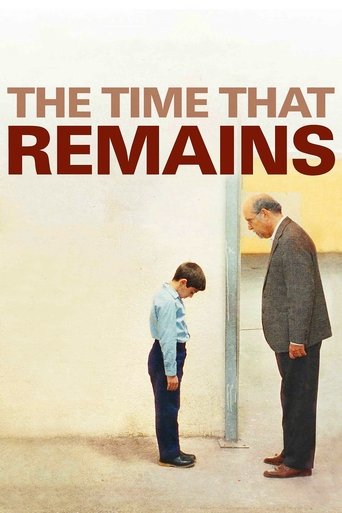
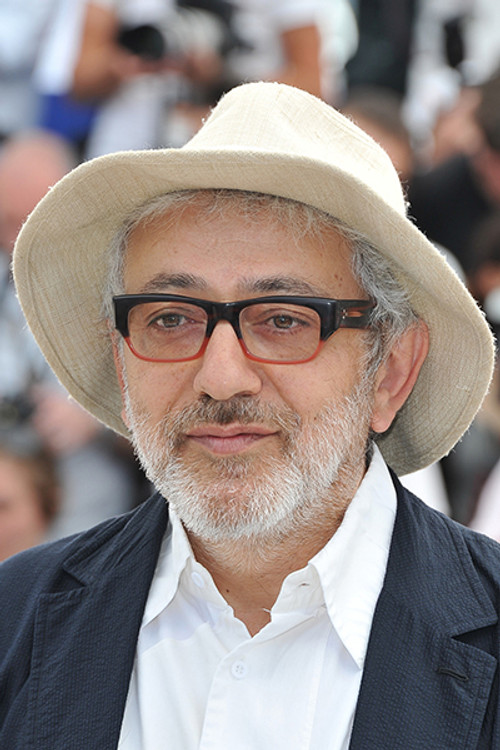
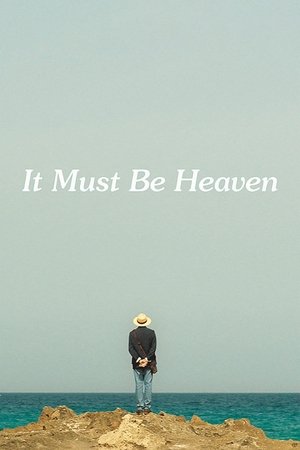
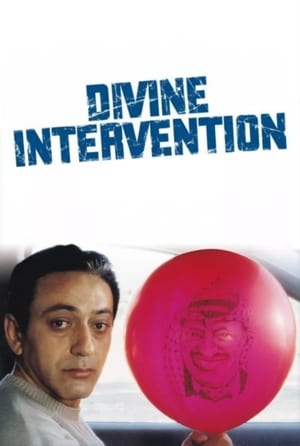
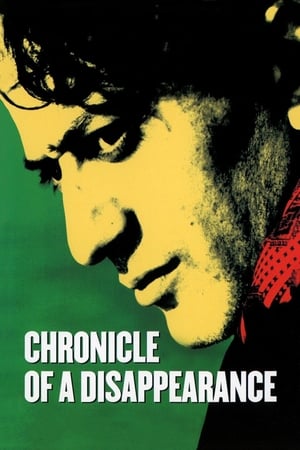
Elia Suleiman is a Palestinian director born in Nazareth, celebrated for deadpan, largely wordless comedies examining the absurdities of life under occupation. Chronicle of a Disappearance and Divine Intervention established his distinctive style of static, tableau-like observational humor, the latter earning the Jury Prize at Cannes for its surreal, often silent depiction of daily Palestinian life. The Time That Remains, tracing his own family's history from 1948 to the present, extended his autobiographical engagement with Palestinian displacement, while It Must Be Heaven used his deadpan persona, directly inspired by Jacques Tati and Buster Keaton, to compare absurdities of bureaucracy and surveillance across Nazareth, Paris, and New York. Suleiman's droll, nearly silent comic style applied to the Israeli-Palestinian conflict has made him one of the most distinctive voices in Palestinian and world cinema.
Elia Suleiman
Director · Actor · Since 2007
8 Directed
Elia Suleiman is a Palestinian director born in Nazareth, celebrated for deadpan, largely wordless comedies examining the absurdities of life under occupation. Chronicle of a Disappearance and Divine Intervention established his distinctive style of static, tableau-like observational humor, the latter earning the Jury Prize at Cannes for its surreal, often silent depiction of daily Palestinian life. The Time That Remains, tracing his own family's history from 1948 to the present, extended his autobiographical engagement with Palestinian displacement, while It Must Be Heaven used his deadpan persona, directly inspired by Jacques Tati and Buster Keaton, to compare absurdities of bureaucracy and surveillance across Nazareth, Paris, and New York. Suleiman's droll, nearly silent comic style applied to the Israeli-Palestinian conflict has made him one of the most distinctive voices in Palestinian and world cinema.

Latest Trailers

Watch Trailer
It Must Be Heaven
Photos


Frequently Asked Questions
How old is Elia Suleiman and where are they from?
Elia Suleiman is 66 years old, born on July 28, 1960 in Nazareth, Israel.
What are the most famous roles of Elia Suleiman?
Elia Suleiman is best known for directing It Must Be Heaven, To Each His Own Cinema, 7 Days in Havana.
How many movies has Elia Suleiman directed?
Over a 36-year career (since 1990), Elia Suleiman has directed or written 8 films and worked on 0 TV shows.
What was Elia Suleiman's first movie?
The career of Elia Suleiman began with Introduction to the End of an Argument (1990).
What is Elia Suleiman's most recent movie or series?
Elia Suleiman's most recent release is It Must Be Heaven, which premiered on December 4, 2019.
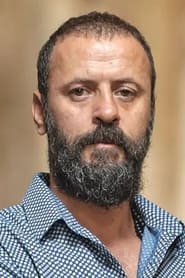









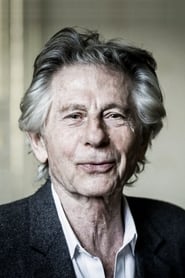

Elia Suleiman
1960-07-28 · Nazareth, Israel
Elia Suleiman (Arabic: إيليا سليمان, IPA: [ˈʔiːlja sʊleːˈmaːn]; born 28 July 1960; Nazareth) is a Palestinian film director and actor. He is best known for the 2002 film Divine Intervention (Arabic: يد إلهية), a modern tragicomedy on living under occupation in Palestine which won the Jury Prize at the 2002 Cannes Film Festival. Suleiman's cinematic style is often compared to that of Jacques Tati and Buster Keaton, for its poetic interplay between "burlesque and sobriety". He is married to Lebanese singer and actress Yasmine Hamdan.