
Enzo Petito
Bekannt für


Enzo Petito hat ein Publikum weit über den eigenen Sprachraum hinaus und erreicht ein Publikum in vielen Ländern. 'Die verkaufte Unschuld' zählt zu den bekanntesten weiteren Produktionen. Mit 36 Jahren stand 1933 der erste Dreh an. Zwischen großen Studioproduktionen und kleineren Projekten wechselt die Arbeit regelmäßig. Ohne 'Zwei glorreiche Halunken' lässt sich diese Karriere nicht erzählen — schon wegen Storekeeper.
Enzo Petito
13 Filme
Enzo Petito hat ein Publikum weit über den eigenen Sprachraum hinaus und erreicht ein Publikum in vielen Ländern. 'Die verkaufte Unschuld' zählt zu den bekanntesten weiteren Produktionen. Mit 36 Jahren stand 1933 der erste Dreh an. Zwischen großen Studioproduktionen und kleineren Projekten wechselt die Arbeit regelmäßig. Ohne 'Zwei glorreiche Halunken' lässt sich diese Karriere nicht erzählen — schon wegen Storekeeper.
Filme

Als Storekeeper
Zwei glorreiche Halunken
1966

Als ingegnere del circolo
Roaring Years
1962

Als Un barbone
Night Train to Milan
1962

Als Fritzmayer
Der Witwer
1959

Als Don Gioacchino
Die verkaufte Unschuld
1954

Als Affittuario di Anna
Siamo tutti inquilini
1953

Als Napoleone, l'usciere
He Who Hesitates Is Lost
1960

Als Pasquale
Christmas at the Cupiello House
1962

Als The Usher (segment "4 'Cittadini, stato e chiesa', episode 1")
Made in Italy
1965

Als Usuraio
Gold of Rome
1961

Als Giovanni
Sogno di una notte di mezza sbornia
1959

Als Padre guardiano
The Four Monks
1962
Neueste Trailer

Trailer ansehen
Zwei glorreiche Halunken
Vollständige Filmografie
Zwei glorreiche Halunken
Storekeeper
1966
Film
Made in Italy
The Usher (segment "4 'Cittadini, stato e chiesa', episode 1")
1965
Film
Night Train to Milan
Un barbone
1962
Film
The Four Monks
Padre guardiano
1962
Film
Roaring Years
ingegnere del circolo
1962
Film
Christmas at the Cupiello House
Pasquale
1962
Film
Gold of Rome
Usuraio
1961
Film
He Who Hesitates Is Lost
Napoleone, l'usciere
1960
Film
Der Witwer
Fritzmayer
1959
Film
Fotos

Häufige Fragen
Lebt Enzo Petito noch?
Enzo Petito starb am 17. Juli 1967 im Alter von 69 Jahren.
Für welche Rollen ist Enzo Petito bekannt?
Enzo Petito ist vor allem bekannt für Zwei glorreiche Halunken, Die verkaufte Unschuld, Der Witwer.
In wie vielen Filmen hat Enzo Petito mitgespielt?
In 34 Jahren Karriere (seit 1933) wirkte Enzo Petito in 13 Filmen und 0 Serien mit.
Was war der erste Film von Enzo Petito?
Die Karriere von Enzo Petito begann mit A Coperchia è caduta una stella (1933).
Was ist der neueste Film oder die neueste Serie von Enzo Petito?
Die neueste Veröffentlichung von Enzo Petito ist Zwei glorreiche Halunken, erschienen am 23. Dezember 1966.

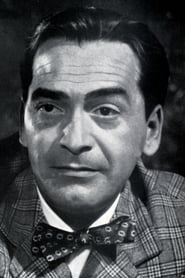

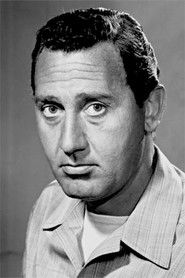

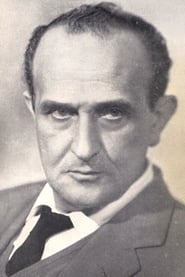

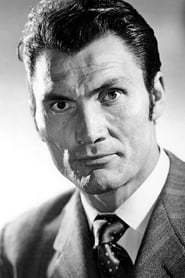
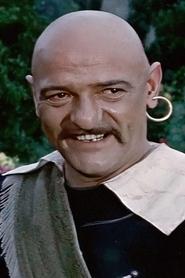
Enzo Petito
1897-07-24 · Naples, Italien
Enzo Petito (24 July 1897 – 17 July 1967) was an Italian film and stage character actor. A theatre actor under Eduardo De Filippo in the 1950s in the Teatro San Ferdinando of Naples, with whom he was professionally closely associated, Petito also appeared in several of his films, often co-starring Eduardo or/and brother, Peppino De Filippo, brothers who are considered to be amongst the greatest Italian actors of the 20th century. Petito played minor roles in some memorable commedia all'Italiana movies directed by the likes of Dino Risi and Mario Monicelli in the late 1950s and early 1960s, often appearing alongside actors such as Nino Manfredi, Alberto Sordi, Peppino De Filippo, Anna Maria Ferrero, and Totò.
Although never a leading actor, he made a number of small appearances as character actors alongside Italy's leading film stars in films throughout the early to mid-1960s and is arguably best known in world cinema for his role as the store keeper in the Sergio Leone classic Spaghetti Western film The Good, the Bad and the Ugly in 1966. His roles ranged from storekeepers and cobblers to priests and homeless men. His role of most esteem, however, is perhaps as Napoleon in Sergio Corbucci's comedy Chi si ferma è perduto in 1963.