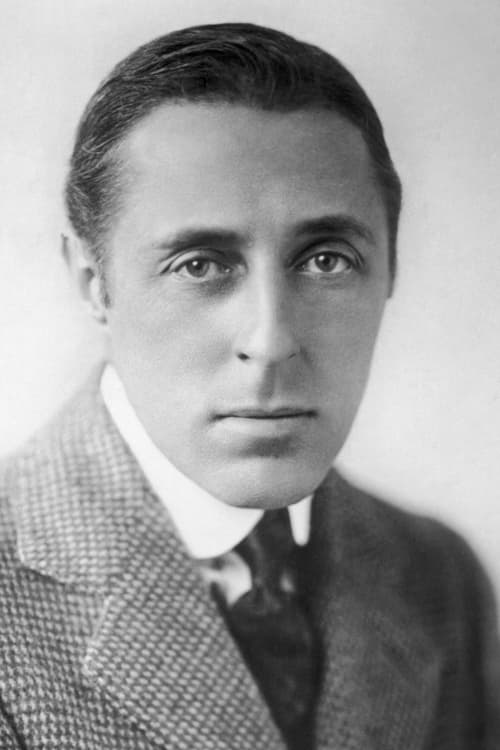


D.W. Griffith
Director · Writer
Known for
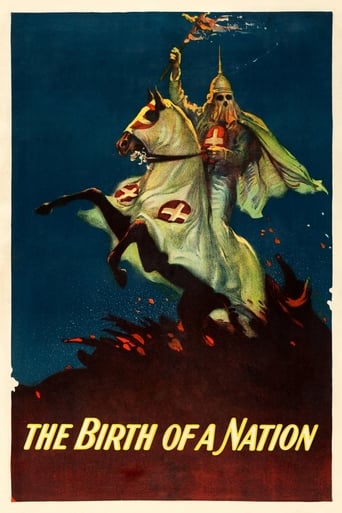
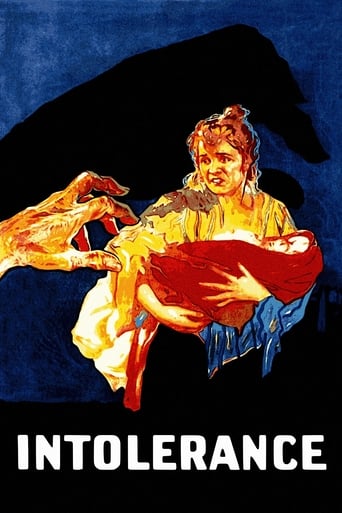

D.W. Griffith is a working American director with a filmography assembled from projects rather than from roles. The record leans toward drama. The work is split between film and television rather than confined to either. 'The Birth of a Nation' accounts for most of whatever public profile there is. 'Intolerance: Love's Struggle Throughout the Ages' belongs on any short list of the work. The first credits arrived well before the best-known title.
D.W. Griffith
Director · Writer
D.W. Griffith is a working American director with a filmography assembled from projects rather than from roles. The record leans toward drama. The work is split between film and television rather than confined to either. 'The Birth of a Nation' accounts for most of whatever public profile there is. 'Intolerance: Love's Struggle Throughout the Ages' belongs on any short list of the work. The first credits arrived well before the best-known title.
Movies (305 titles)
Director
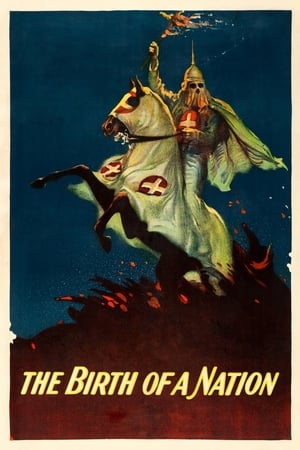
The Birth of a Nation
1915
Director
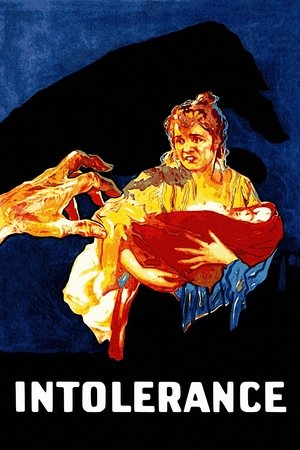
Intolerance: Love's Struggle Throughout the Ages
1916
Director
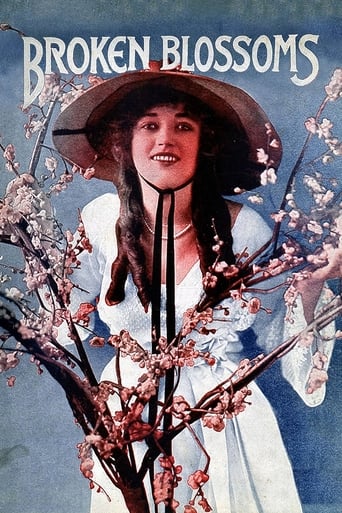
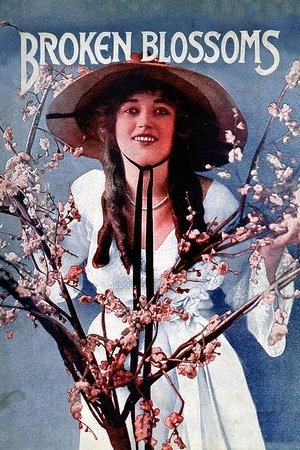
Broken Blossoms or The Yellow Man and the Girl
1919

Director
Love Among the Roses
1910
Director
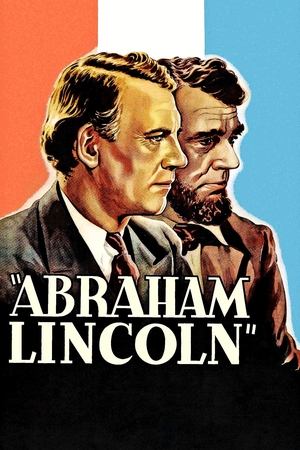
Abraham Lincoln
1930

Director
A Lodging for the Night
1912

Director
A Feud in the Kentucky Hills
1912

Director
Betrayed by a Handprint
1908

Director
What Shall We Do with Our Old?
1911

Director
The Female of the Species
1912

Director
Dream Street
1921

Director
The Narrow Road
1912
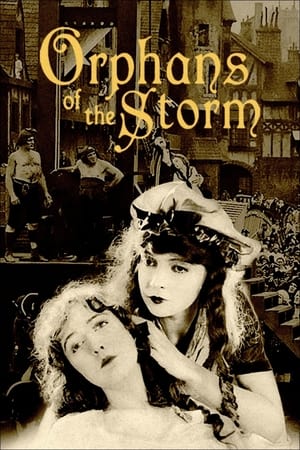
Director
Orphans of the Storm
1921
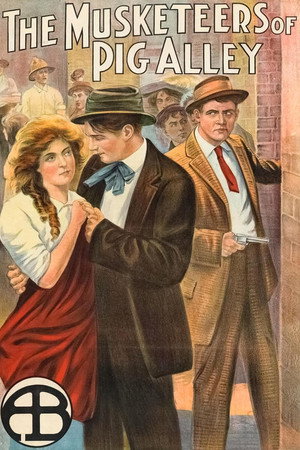
Director
The Musketeers of Pig Alley
1912

Director
What's Your Hurry?
1909

Director
The Battle of the Sexes
1928

Director
To Save Her Soul
1909

Director
The Sorrows of Satan
1926

Director
The School Teacher and the Waif
1912

Director
The Lure of the Gown
1909

Director
An Arcadian Maid
1910

Director
The Politician's Love Story
1909

Director
1776, or The Hessian Renegades
1909

Director
So Near, Yet So Far
1912

Director
Way Down East
1920

Director
The Violin Maker of Cremona
1909

Director
Home, Sweet Home
1914
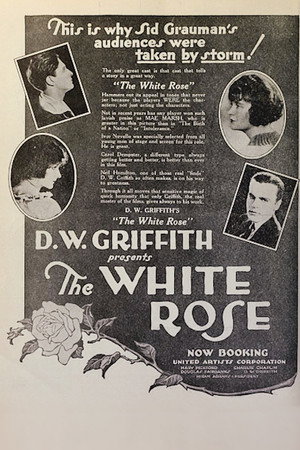
Director
The White Rose
1923
Director
The Sealed Room
1909
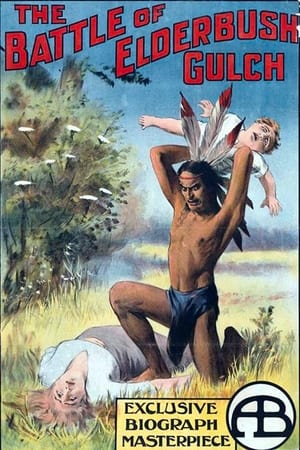
Director
The Battle at Elderbush Gulch
1913
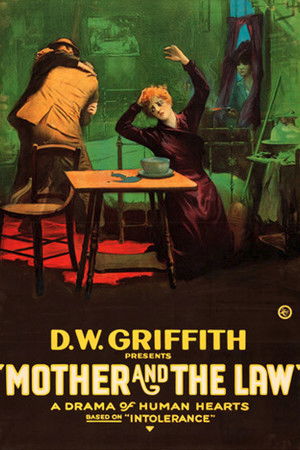
Director
The Mother and the Law
1919

Director
A Child of the Ghetto
1910

Director
Enoch Arden: Part I
1911

Director
Pippa Passes
1909

Director
The Redman's View
1909

Director
The New York Hat
1912

Director
Scarlet Days
1919
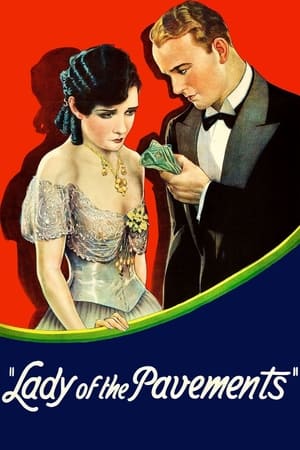
Director
Lady of the Pavements
1929

Director
The Girl Who Stayed at Home
1919

Director
The Renunciation
1909

Director
The Avenging Conscience
1914

Director
Hearts of the World
1918

Director
A Strange Meeting
1909

Director
The Cardinal's Conspiracy
1909

Director
A Romance of Happy Valley
1919

Director
A Drunkard's Reformation
1909

Director
Lucky Jim
1909

Director
The Salvation Army Lass
1909

Director
The House with Closed Shutters
1910
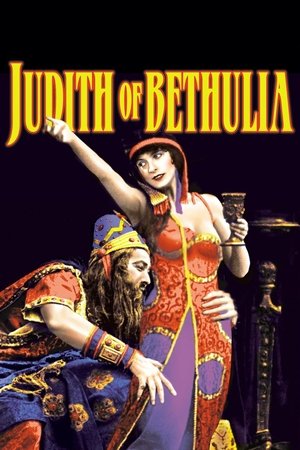
Director
Judith of Bethulia
1914
Latest Trailers

Watch Trailer
San Francisco
Full Filmography 305
D.W. Griffith - Years of Discovery 1909-1913
Writer
2002
Footlight Varieties
Director
1951
The Struggle
Director
1931
Abraham Lincoln
Director
1930
Lady of the Pavements
Director
1929
The Battle of the Sexes
Director
1928
Drums of Love
Director
1928
The Sorrows of Satan
Director
1926
That Royle Girl
Director
1925
Photos
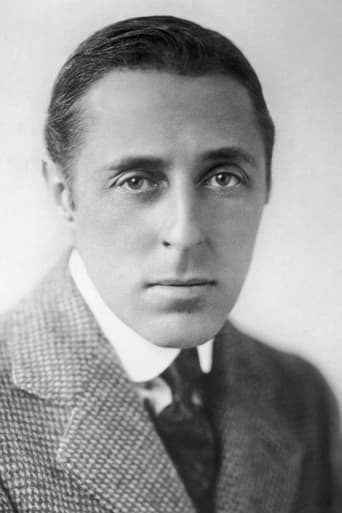


Frequently Asked Questions
Is D.W. Griffith still alive?
D.W. Griffith passed away on July 23, 1948 at age 73.
What are the most famous roles of D.W. Griffith?
D.W. Griffith is best known for directing The Birth of a Nation, Intolerance: Love's Struggle Throughout the Ages, Broken Blossoms or The Yellow Man and the Girl.
How many movies has D.W. Griffith directed?
Over a 40-year career (since 1908), D.W. Griffith has directed or written 305 films and worked on 0 TV shows.
What was D.W. Griffith's first movie?
The career of D.W. Griffith began with The Stolen Loaf ().
What is D.W. Griffith's most recent movie or series?
D.W. Griffith's most recent release is D.W. Griffith - Years of Discovery 1909-1913, which premiered on September 10, 2002.
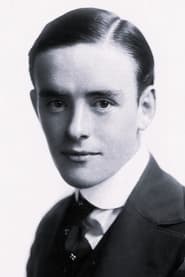
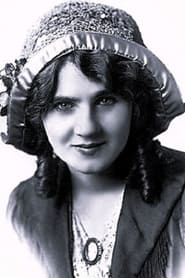
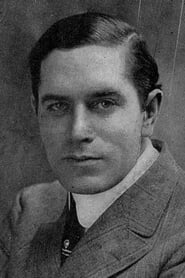
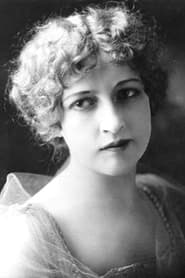
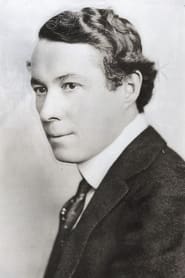
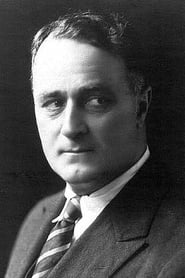
D.W. Griffith
1875-01-22 · LaGrange, Kentucky, USA
David Llewelyn Wark Griffith was a premier pioneering American film director. He is best known as the director of the controversial and groundbreaking 1915 film The Birth of a Nation and the subsequent film Intolerance (1916). Griffith's film The Birth of a Nation made pioneering use of advanced camera and narrative techniques, and its immense popularity set the stage for the dominance of the feature-length film. It also proved extremely controversial at the time and ever since for its negative depiction of Black Americans and their supporters, and its positive portrayal of slavery and the Ku Klux Klan. Griffith responded to his critics with his next film, Intolerance, intended to show the dangers of prejudiced thought and behavior. The film was not the financial success that its predecessor had been, but was received warmly by critics. Several of his later films were also successful, but high production, promotional, and roadshow costs often made his ventures commercial failures. Even so, he is generally considered one of the most important figures of early cinema.