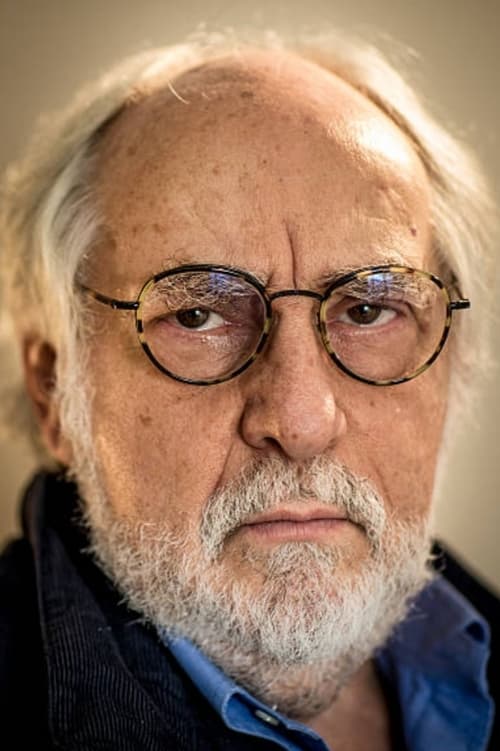

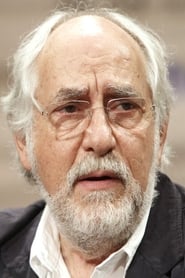

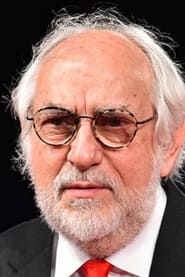
Arturo Ripstein
Known for
Arturo Ripstein is a Mexican director born in Mexico City, celebrated for dark, unflinching melodramas exploring cruelty, obsession, and moral degradation within closed domestic spaces. Castle of Purity, an early landmark following a tyrannical father who imprisons his family, established his recurring interest in domestic authoritarianism, while The Place Without Limits, an adaptation of a José Donoso novel set in a brothel, became a landmark of queer Latin American cinema. Deep Crimson, a fictionalized account of real-life serial killers, and Aunt Alejandra extended his fascination with desperate, doomed characters rendered through extended, theatrical long takes. Long working with screenwriter and novelist Paz Alicia Garciadiego, Ripstein has built one of the most sustained and internationally respected careers in Mexican art cinema.
Arturo Ripstein
37 Directed
1 Series
Arturo Ripstein is a Mexican director born in Mexico City, celebrated for dark, unflinching melodramas exploring cruelty, obsession, and moral degradation within closed domestic spaces. Castle of Purity, an early landmark following a tyrannical father who imprisons his family, established his recurring interest in domestic authoritarianism, while The Place Without Limits, an adaptation of a José Donoso novel set in a brothel, became a landmark of queer Latin American cinema. Deep Crimson, a fictionalized account of real-life serial killers, and Aunt Alejandra extended his fascination with desperate, doomed characters rendered through extended, theatrical long takes. Long working with screenwriter and novelist Paz Alicia Garciadiego, Ripstein has built one of the most sustained and internationally respected careers in Mexican art cinema.
Movies
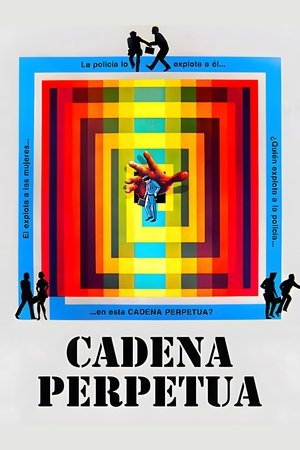
Director
Life Sentence
1979

Director
Castle of Purity
1973

Director
Deep Crimson
1996
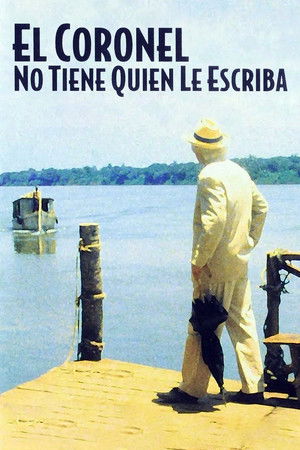
Director
No One Writes to the Colonel
1999
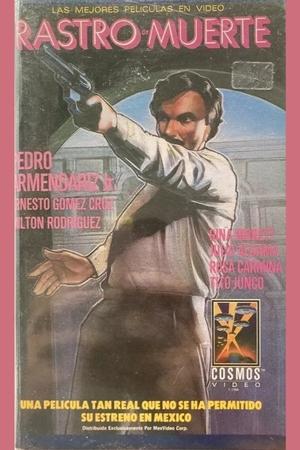
Director
Trail of Death
1981
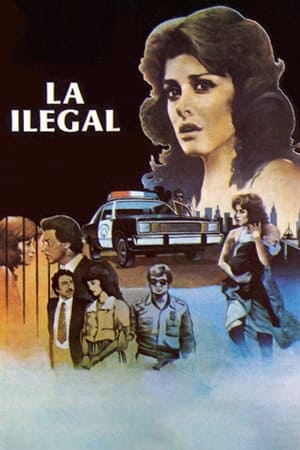
Director
The Illegal
1979
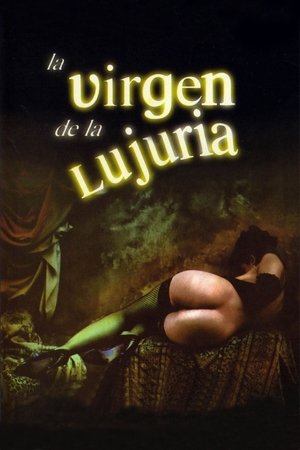
Director
The Virgin of Lust
2002

Director
Dangerous Game
1967
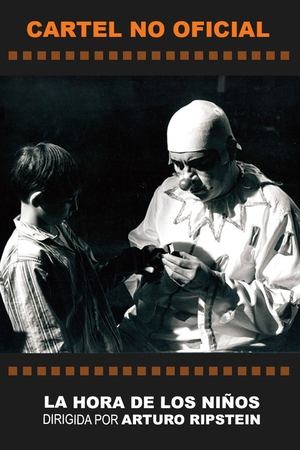
Director
The Children's Hour
1969
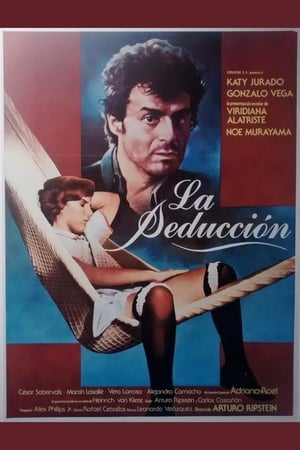
Director
Seduction
1981
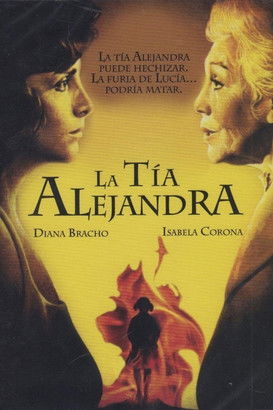
Director
Aunt Alejandra
1980

Director
Time to Die
1966
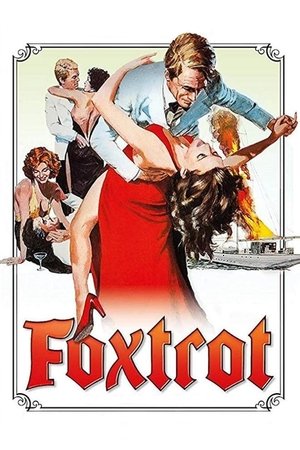
Director
Foxtrot
1976
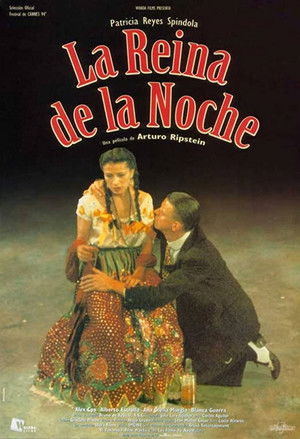
Director
The Queen of the Night
1994

Director
Divine
1998
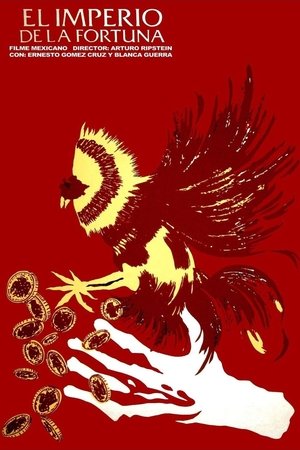
Director
The Realm of Fortune
1986
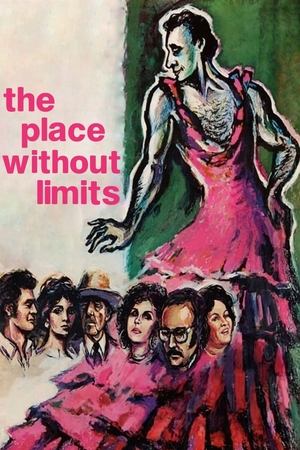
Director
The Place Without Limits
1978

Director
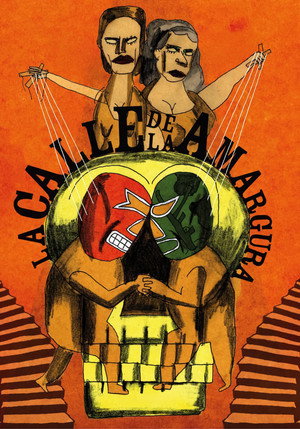
Devil Between the Legs
2019
Director
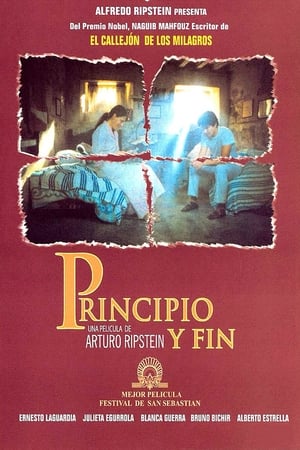
Bleak Street
2015
Director
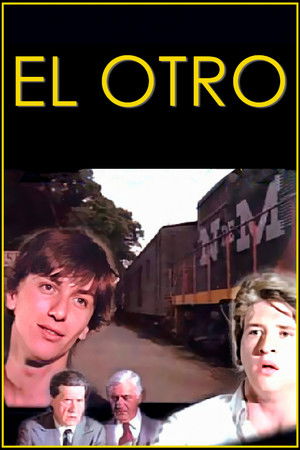
The Beginning and the End
1994
Director
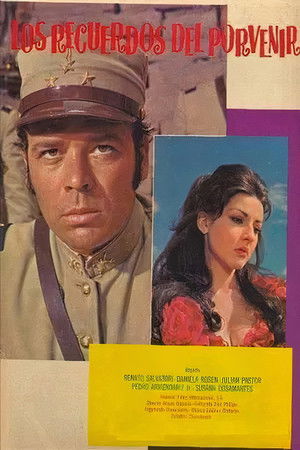
El otro
1986
Director
Memories of the Future
1969

Director
Crazy Carnival
2006
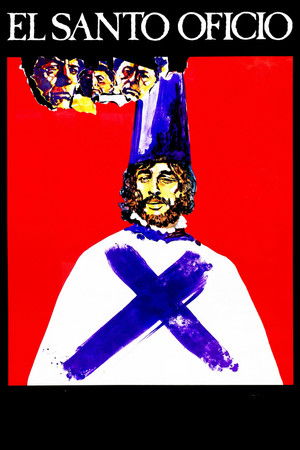
Director
The Holy Inquisition
1974
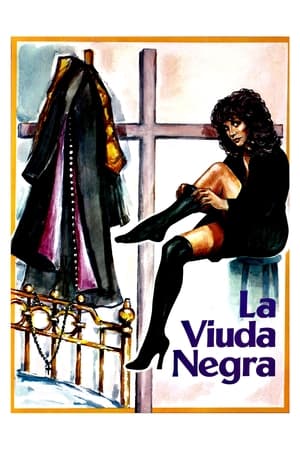
Director
The Black Widow
1983

Director
Love Lies
1989

Director
Such is Life
2001
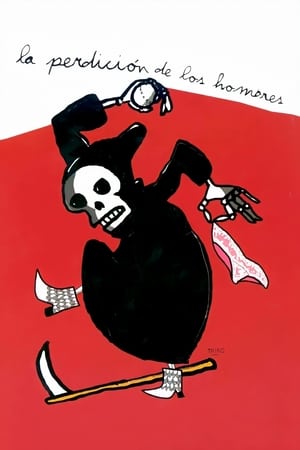
Director
The Ruination of Men
2000
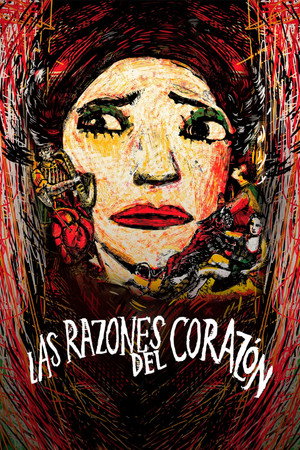
Director
The Reasons of the Heart
2011
Director
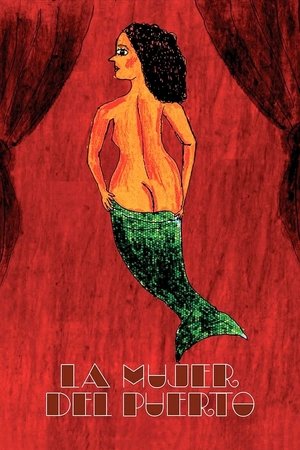
Woman of the Port
1996


Latest Trailers
Watch Trailer
One Hundred Years with Juan Rulfo
Full Filmography
Devil Between the Legs
Director
2019
Film
Bleak Street
Director
2015
Film
The Reasons of the Heart
Director
2011
Film
Crazy Carnival
Director
2006
Film
The Virgin of Lust
Director
2002
Film
Such is Life
Director
2001
Film
The Ruination of Men
Director
2000
Film
No One Writes to the Colonel
Director
1999
Film
Divine
Director
1998
Film
Photos

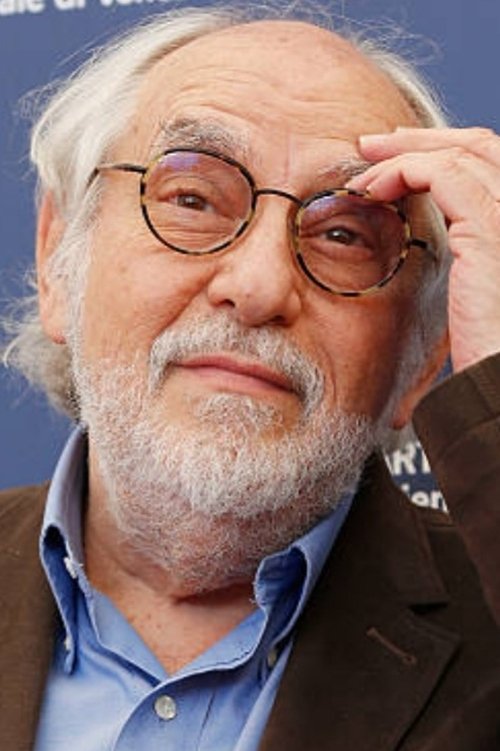
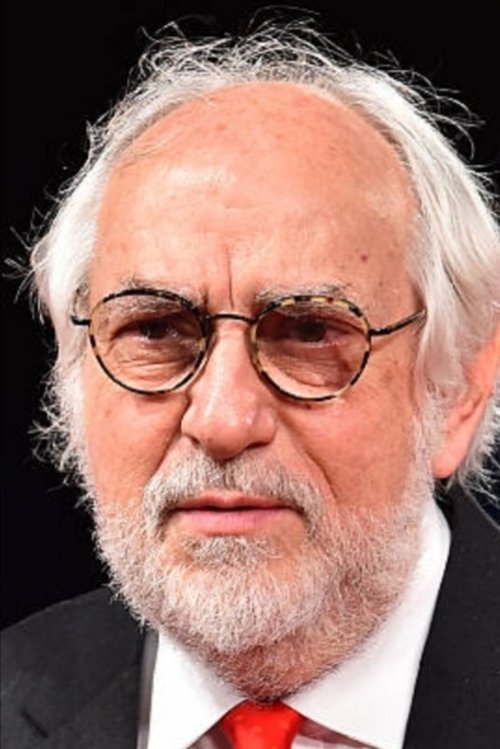
Frequently Asked Questions
How old is Arturo Ripstein and where are they from?
Arturo Ripstein is 82 years old, born on December 13, 1943 in Mexico City, Mexico.
What are the most famous roles of Arturo Ripstein?
Arturo Ripstein is best known for directing The Virgin of Lust, Devil Between the Legs, Castle of Purity.
How many movies has Arturo Ripstein directed?
Over a 60-year career (since 1966), Arturo Ripstein has directed or written 37 films and worked on 1 TV shows.
What was Arturo Ripstein's first movie?
The career of Arturo Ripstein began with Tiempo de Correr ().
What is Arturo Ripstein's most recent movie or series?
Arturo Ripstein's most recent release is Devil Between the Legs, which premiered on September 12, 2019.
What TV shows has Arturo Ripstein created or directed?
On television, Arturo Ripstein has appeared in Dulce Desafío, Simplemente Maria, Triángulo, La sonrisa del Diablo.










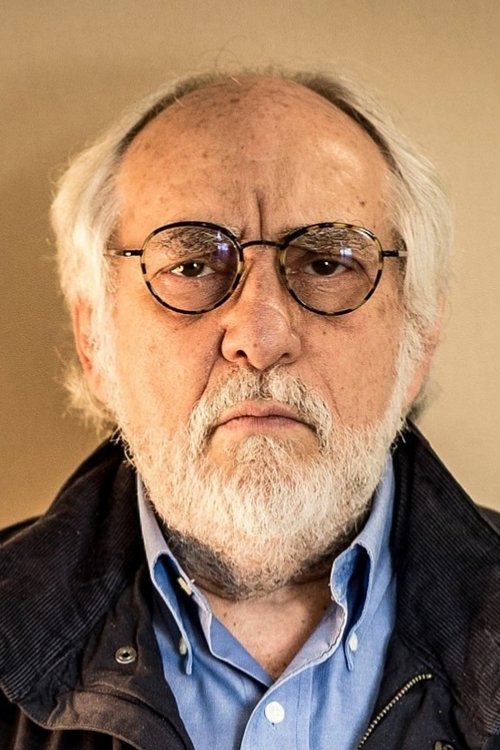
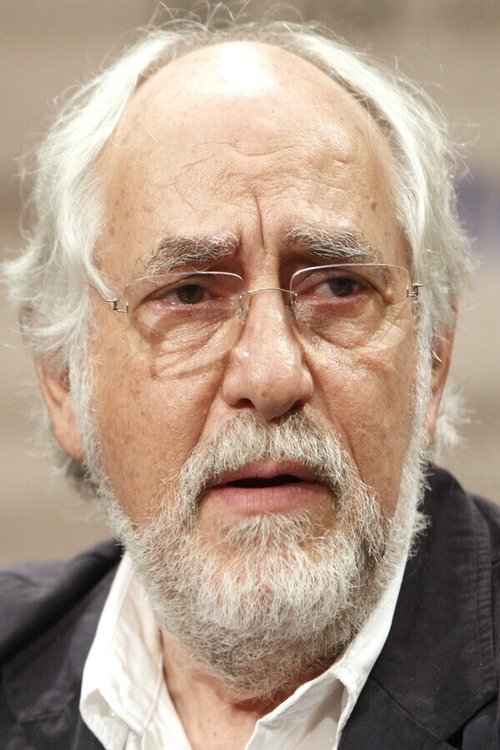
Arturo Ripstein
1943-12-13 · Mexico City, Mexico
Arturo Ripstein y Rosen (born December 13, 1943) is a Mexican film director.
Ripstein got his break into movies working as an uncredited assistant director for Luis Buñuel. In 1965, he directed his first feature, Tiempo de Morir. Written by Carlos Fuentes and Gabriel García Márquez, it began a tradition of making independent films written by high-profile Latin-American authors. His 1981 film Seduction was entered into the 12th Moscow International Film Festival. His 1989 film Love Lies was entered into the 16th Moscow International Film Festival. In 1997 Ripstein won the National Prize of Arts and Sciences, the second filmmaker after Buñuel to do so. Some of Ripstein's films, especially the earlier ones, "highlighted characters beset by futile compulsions to escape [their]destinies". Many of his films are shot in tawdry interiors, with bleak brown color schemes, and seedy pathetic characters who manage to achieve a hint of pathos and dignity. Asi Es la Vida, according to Jonathan Crow, "boldly reworks the ancient Greek drama Medea, employing a dizzying array of flashbacks and Brechtian devices". Deep Crimson, according to the New York Times, is "a ferociously anti-romantic portrait of an obese nurse and a seedy small-time gigolo whose bungling scheme to swindle a succession of lonely women out of their life savings turns into a killing spree."